The Working Principle of Geotextile Tube in Sediment Dewatering Process
1. Introduction
Every dredging project, wastewater cure plant, and setting up web internet web page faces the equal cussed problem: what to do with giant volumes of water-laden sediment. Hauling moist sludge away is expensive, pumping it into lagoons wastes land, and mechanical urgent needs heavy gear and normal energy. This is the neighborhood geotextile science steps in as a practical, low-energy alternative.
At the coronary coronary heart of this method sits the geotextile tube — a large, engineered material container that captures sediment slurry and lets handy water drain away naturally. Understanding how this simple alternatively contemporary gadget works is the key to on foot a profitable dewatering program. This article breaks down the working precept of the geotextile tube in the sediment dewatering process, chapter via chapter, so you can see precisely why it has flip out to be a favored want amongst present day Sludge Dewatering Solutions.
2. What Is a Geotextile Tube?
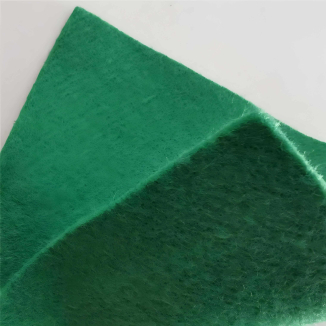
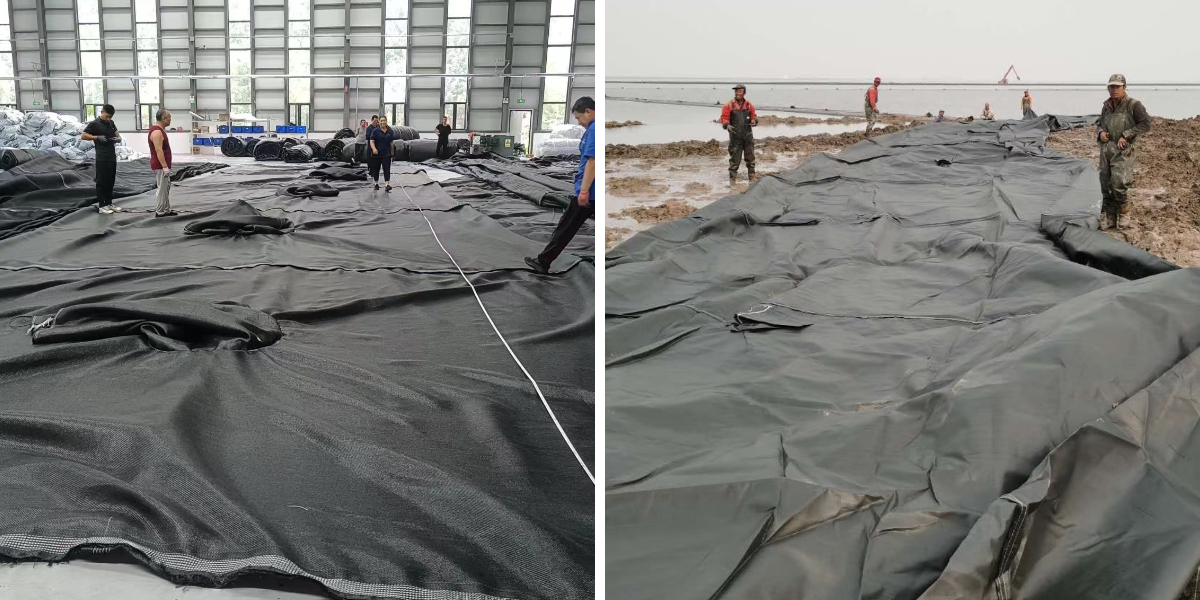
A geotextile tube is a high-strength, permeable cloth container, usually cylindrical in structure and commonly many meters long. It is manufactured from woven or needle-punched geotextile cloth engineered to steadiness two opposing needs: keeping solids firmly inner at the equal time as permitting water to escape.
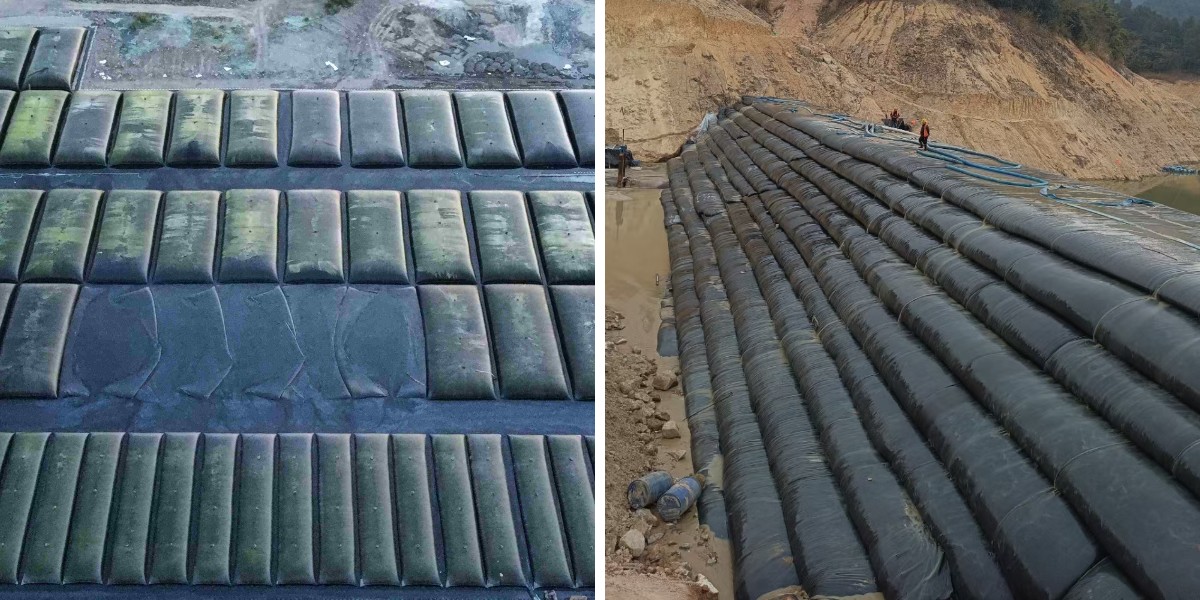
The tube is stuffed by inlet ports the use of a pump that aspects sediment slurry except lengthen into the interior. Because the cloth is robust and the seams are sealed, the tube can safely hold large volumes of material underneath large indoors pressure. Over time, the trapped solids consolidate inside, and the surrounding cloth acts as a filter that releases clarified water minimize once more to the environment.
In practice, these tubes are usually deployed alongside smaller fabric containers. For obligations with modest volumes or confined sites, geotextile dewatering luggage supply a flexible, portable choice that follows the actual equal working principle at a smaller scale.
3. The Core Mechanism: Confinement and Filtration
The working precept of the geotextile tube rests on two simultaneous bodily processes: confinement and filtration.
Confinement starts the 2nd slurry enters the tube. The material partitions structure a sturdy envelope that resists bursting beneath hydraulic pressure. As larger slurry is pumped in, the tube swells, and the interior stress rises, which gently compresses the solids inside. This stress does the preliminary "squeezing" that mechanical constructions reap with heavy rollers.
Filtration is the counterpart that releases water. The pore structure of the geotextile cloth is calibrated so that water molecules can pass by with the useful resource of through, at the equal time as sediment particles are retained. This special pore dimension is what makes the device tremendous — too massive and solids leak out; too small and drainage slows to a crawl.
Together, these two methods create a self-sustaining cycle: strain builds, water exits, solids settle, and the tube step by step turns into denser and greater compact over days or weeks. This natural, gravity-driven approach makes the geotextile tube one of the most energy-efficient Sludge Dewatering Solutions available.
4. Step-by-Step: The Sediment Dewatering Process
To see the working precept in action, it helps to stroll by using way of the entire sediment dewatering approach as it unfolds interior the tube.
Step One — Preparation and Siting. Before pumping begins, the tube is laid flat on a prepared, tightly closed floor with acceptable drainage spherical it. A containment vicinity is frequently set up to manipulate the water that will be released.
Step Two — Slurry Pumping. Sediment slurry is pumped into the tube thru the fill ports. Careful manipulate of fill cost prevents over-pressurization and continues the tube indoors impenetrable limits.
Step Three — Initial Filtration. As the tube fills, water starts offevolved to leave out via the material immediately. Fine particles stay trapped inside, forming a skinny filter cake alongside the interior wall that improves retention over time.
Step Four — Consolidation. Once filled, the tube is left to rest. The solids indoors settle and compress beneath their private weight and the residual pressure. This is the longest stage and the vicinity most of the water loss occurs.
Step Five — Effluent Management. The water draining from the tube is collected, sampled, and every discharged or as soon as greater to the treatment process, relying on neighborhood requirements.
Step Six — Final Disposal. After dewatering is complete, the tube holds a dense, manageable tightly closed that can be transported for inspired reuse, landfilling, or in a comparable way treatment. Where web website online on line stipulations are suitable, smaller geotextile dewatering baggage can be used for the equal staged method in large compact working areas.
5. Why Geotextile Dewatering Bags Outperform Traditional Methods
Traditional dewatering depends upon on mechanical presses, centrifuges, or big settling ponds, every with clear drawbacks. Mechanical gear is excessive priced to buy, high priced to run, and inclined to downtime. Settling ponds devour huge portions of land and take months to dry out.
Geotextile dewatering baggage and tubes sidestep most of these problems. Because the manner is gravity-driven, there is no non-stop electricity demand as shortly as pumping is complete. Because the containers are material however than steel, they are lightweight, reachable to transport, and speedy to set up on far off or challenging sites. And due to the fact they can be sized to in shape nearly any project, they scale without difficulty from a single bag to an array of giant tubes.
There is moreover an environmental advantage. The effluent is filtered thru the material as an preference than chemically treated, which reduces the want for flocculants in many applications. This simplicity and versatility furnish an clarification for why geotextile constructions are increasingly more extra larger listed amongst the most smart Sludge Dewatering Solutions in the industry.
6. Applications of Sludge Dewatering Solutions
The working precept of the geotextile tube adapts to a remarkably big vary of real-world needs.
Dredging Operations. Harbor, river, and lake dredging produces gorgeous volumes of slurry. Geotextile tubes embody the fabric on-site, dramatically reducing hauling costs.
Water and Wastewater Treatment. Sludge from municipal treatment vegetation can be dewatered in tubes, producing a drier cake that is much less tricky to dispose of or reuse.
Construction and Stormwater. Sediment from enchancment runoff and stormwater basins can be captured and dewatered formerly than the water is released, defending shut by way of the usage of waterways.
Mining and Industrial Tailings. Fine mineral tailings and industrial residues reply right to tube dewatering, frequently with minimal chemical conditioning.
Agricultural and Aquaculture Waste. Organic slurries from farms and fish ponds can be contained and dewatered in a managed way.
In each of these settings, finding out on the appropriate configuration of tubes or geotextile dewatering baggage makes the huge distinction between a messy, expensive operation and a clean, environment best one.
7. Key Design Considerations for Optimal Performance
A geotextile tube is definitely as immoderate fantastic as the gadget spherical it. Several elements decide how gorgeous the sediment dewatering manner performs.
Fabric Selection. The tensile energy and pore dimension of the geotextile ought to healthful the particle measurement and range of sediment. The flawed fabric leads every to clogging or to solids loss.
Slurry Characteristics. Particle dimension distribution, solids concentration, and natural content material fabric cloth all have an affect on drainage speed. Some slurries accumulate from a small dose of polymer flocculant to resource amazing particles clump at the equal time for larger retention.
Fill Strategy. Slow, staged filling prevents lovely stress spikes and gives the tube time to launch water between loads, enhancing normal capacity.
Site Conditions. A level, well-drained base, enough containment, and planning for effluent coping with are all quintessential for blanketed operation.
Deployment Layout. For big projects, a couple of tubes can be organized in parallel with shared pumping and drainage infrastructure, maximizing throughput. Even at small scale, geotextile dewatering baggage advantage from the equal interest to fabric, filling, and drainage.
8. Conclusion
The working precept of the geotextile tube in the sediment dewatering technique is deceptively simple: let the cloth confine the solids and filter out the water, and nature does most of the work. From the 2nd slurry is pumped internal to the closing doing away with of a dry, normal solid, the device depends upon on stress and permeability as an preference than heavy machinery.
This mixture of low electricity use, low cost, and environmental friendliness explains the developing focal point of geotextile technology. Whether utilized via giant tubes on a dredging web internet web page or compact geotextile dewatering luggage on a small project, the technique gives a reliable, scalable reply to one of the most chronic challenges in environmental and civil engineering.
If you are evaluating preferences for your subsequent project, understanding this working precept is the first step towards identifying on the appropriate Sludge Dewatering Solutions for your needs.