Geotextile Fibre
1.Strong isolation and anti mixing: Accurately separate soils of different particle sizes to avoid loose structures and ensure the stability of engineering foundations.
2.Efficient filtration and drainage safety: Intercepting impurities to prevent blockage, quickly diverting accumulated water, and reducing the risk of water pressure erosion.
3.Long weather and damage resistance life: Acid and alkali resistance, aging resistance, strong tear resistance, suitable for long-term use in complex environments.
4.Lightweight, easy to lay, and widely adaptable: Convenient and time-saving construction, suitable for various types of small and medium-sized projects such as roads, water conservancy, and landscaping.
Product Introduction
1、 Basic attributes
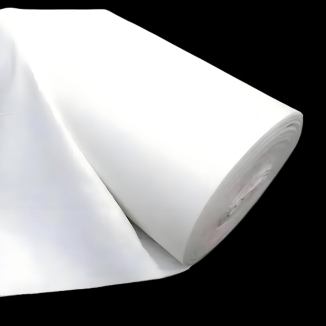
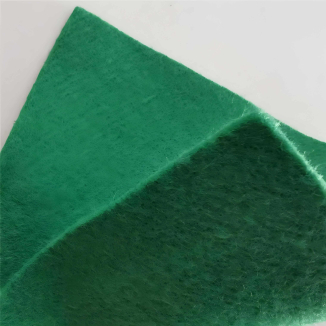
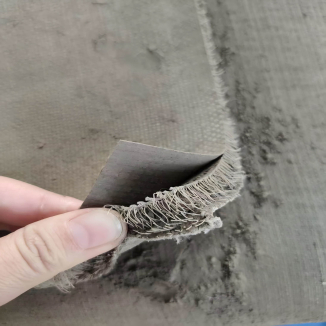
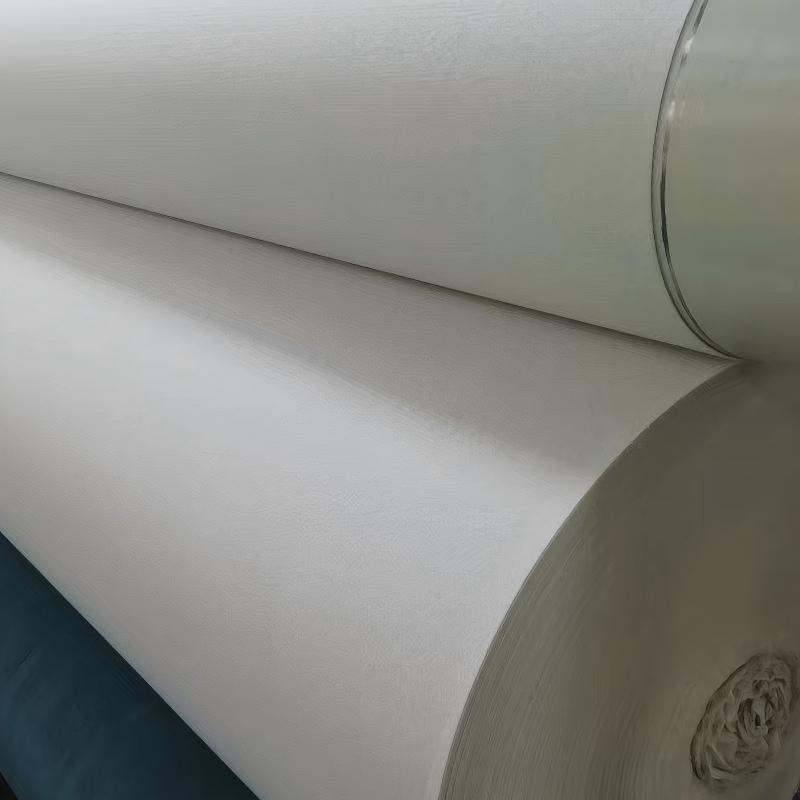
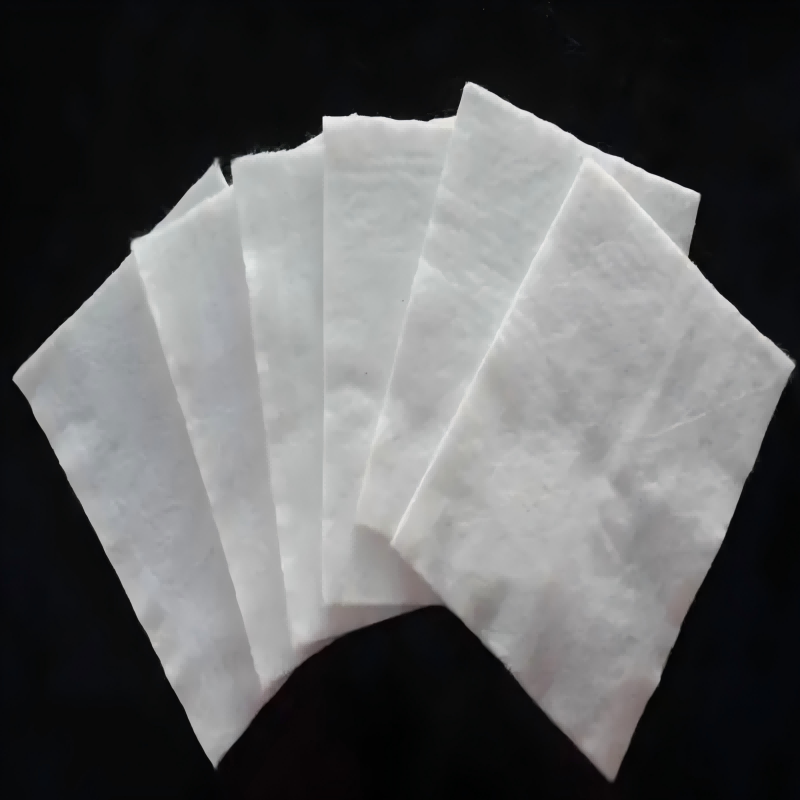
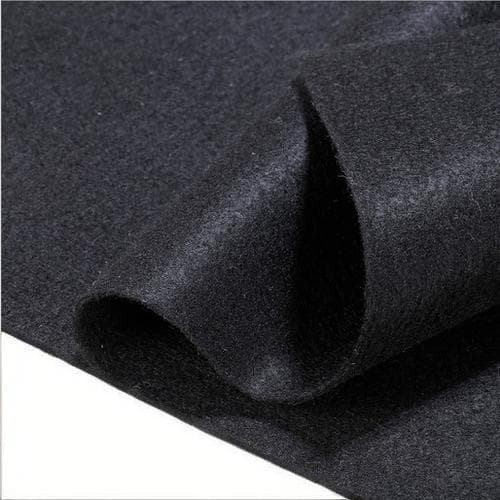
Geotextile Fibre are flexible sheets made from polymer synthetic fibers such as polypropylene and polyester through weaving or non-woven processes. It has physical properties such as light weight, good flexibility, excellent chemical stability, acid and alkali resistance, and UV resistance, and can adapt to long-term erosion in complex environments such as water and soil.
2、 Core functions
Isolation and protection: With the precision fiber structure, different particle sizes of soil, sand, and other materials are accurately separated to prevent them from mixing with each other and causing structural looseness, providing stable support for engineering foundations such as roadbeds and dams.
Filtering drainage: intercepting sediment and impurities in the water flow through pores to prevent blockage of the drainage system; At the same time, quickly drain the accumulated water in the soil or engineering structure, reduce the risk of water pressure erosion on facilities, and ensure the safety of the project.
Enhanced reinforcement: By utilizing its own tensile strength and tear resistance, it enhances the overall integrity of soil, slope and other structures, disperses external loads, reduces settlement, landslides and other problems, and improves the engineering bearing capacity.
3、 Main features
Strong durability: the raw material characteristics and process design make it have excellent weather resistance, outstanding anti-aging and corrosion resistance, which can maintain long-term stability in outdoor complex environment and extend the service life of the project.
Convenient construction: The material is lightweight, highly flexible, and can be cut and laid without the need for complex equipment. It is suitable for different terrains and can effectively save construction time and labor costs.
Widely applicable: It can be flexibly applied to various engineering scenarios such as road embankments, water conservancy dams, garden landscapes, and building foundations, especially suitable for the isolation, filtering, and reinforcement needs of small and medium-sized projects.
Product Parameters
project | metric | ||||||||||
Nominal strength/(kN/m) | |||||||||||
6 | 9 | 12 | 18 | 24 | 30 | 36 | 48 | 54 | |||
1 | Longitudinal and transverse tensile strength / (kN/m) ≥ | 6 | 9 | 12 | 18 | 24 | 30 | 36 | 48 | 54 | |
2 | Maximum elongation at maximum load in longitudinal and transverse directions/% | 30~80 | |||||||||
3 | CBR top penetration strength /kN ≥ | 0.9 | 1.6 | 1.9 | 2.9 | 3.9 | 5.3 | 6.4 | 7.9 | 8.5 | |
4 | Longitudinal and transverse tearing strength /kN | 0.15 | 0.22 | 0.29 | 0.43 | 0.57 | 0.71 | 0.83 | 1.1 | 1.25 | |
5 | Equivalent aperture O.90(O95)/mm | 0.05~0.30 | |||||||||
6 | Vertical permeability coefficient/(cm/s) | K× (10-¹~10-), where K=1.0~9.9 | |||||||||
7 | Width deviation rate /% ≥ | -0.5 | |||||||||
8 | Unit area mass deviation rate /% ≥ | -5 | |||||||||
9 | Thickness deviation rate /% ≥ | -10 | |||||||||
10 | Thickness coefficient of variation (CV)/% ≤ | 10 | |||||||||
11 | Dynamic perforation | Puncture hole diameter/mm ≤ | 37 | 33 | 27 | 20 | 17 | 14 | 11 | 9 | 7 |
12 | Longitudinal and transverse fracture strength (grab method)/kN ≥ | 0.3 | 0.5 | 0.7 | 1.1 | 1.4 | 1.9 | 2.4 | 3 | 3.5 | |
13 | Ultraviolet resistance (Xenon arc lamp method) | Longitudinal and transverse strength retention rate% ≥ | 70 | ||||||||
14 | Ultraviolet resistance (fluorescence UV lamp method) | Longitudinal and transverse strength retention rate% ≥ | 80 | ||||||||
Product Application
1、 Road engineering field
In the construction of rural roads, urban auxiliary roads, park access roads, etc., geotextiles are often laid between the soil layers of the roadbed. It can effectively isolate the roadbed soil from the base sand and gravel, avoiding the mixing of materials of different particle sizes that may cause structural looseness. At the same time, it can reduce roadbed settlement by dispersing vehicle loads and extend the service life of the road. In addition, in road slope protection, laying geotextiles can resist rainwater erosion, prevent soil erosion, and enhance slope stability.
2、 Water conservancy and drainage engineering
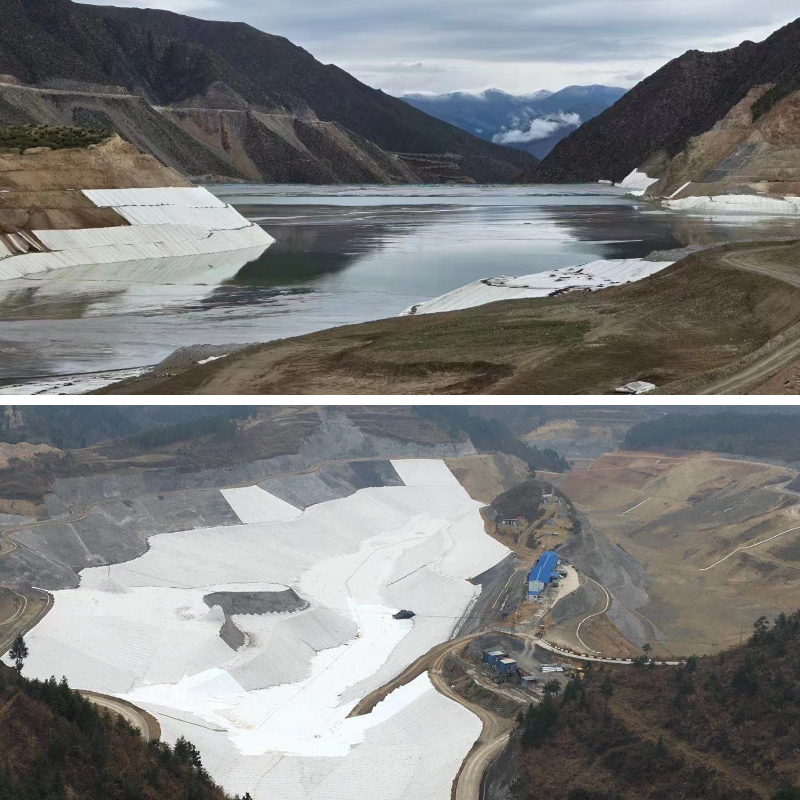
Geotextile fibers play a crucial role in small and medium-sized dams, irrigation channels, river slope protection, and courtyard drainage systems. When laid on the upstream face of the dam or at the bottom of the channel, its filtering performance can intercept sediment and impurities in the water body, preventing channel blockage; At the same time, it can quickly divert the infiltration water inside the structure, reduce the risk of water pressure erosion on dams and channels, and avoid structural damage caused by waterlogging.
3、 Landscape and infrastructure renovation scenarios
Geotextile fibers are ideal isolation and protection materials in landscape construction (such as artificial lakes, flower beds, lawn laying) and renovation projects of old sites. Laying it between the planting soil and the gravel drainage layer can prevent soil particles from infiltrating the drainage layer and causing blockage; Laying before ground hardening can reduce direct contact between concrete and base soil, lower the risk of ground cracking caused by soil settlement, and especially meet the local renovation needs of small and medium-sized sites.
4、 Building Foundation and Environmental Protection Engineering
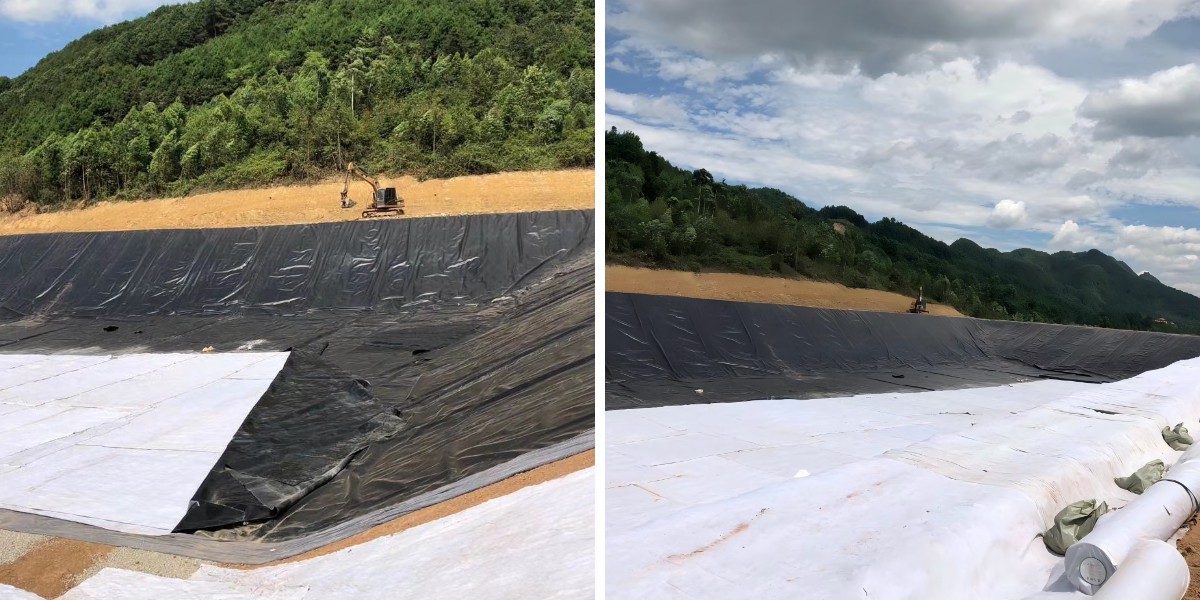
Geotextile fibers can be used in combination with other materials for small building foundation treatment, local anti-seepage in landfills, and soft soil foundation reinforcement. In foundation construction, it can enhance the tensile strength of soil and improve the bearing capacity of the foundation; When laying around the landfill site, it can isolate the garbage from the surrounding soil, prevent the infiltration and diffusion of pollutants, and assist in the drainage of leachate, ensuring the environmental protection and safety of the project.
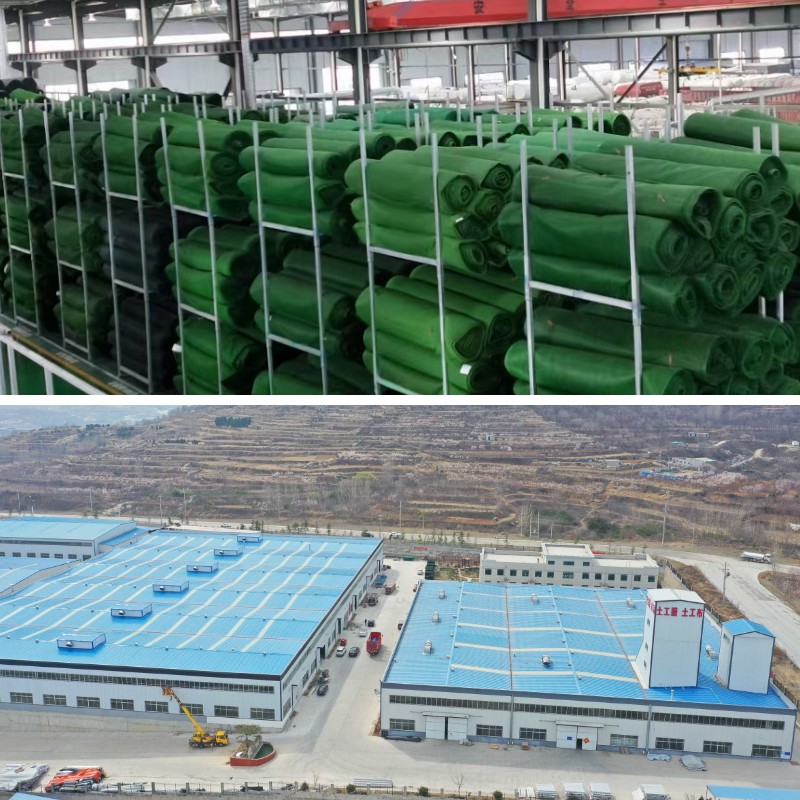
Geotextile fibers have demonstrated strong practical value in various fields such as roads, water conservancy, landscaping, building foundations, and environmental protection, thanks to their core functions of isolation, filtration, reinforcement, and drainage. Whether it is to ensure the stability of the roadbed, prevent erosion of water conservancy facilities, or assist in garden renovation and strengthen foundation safety, its lightweight, easy to lay, durable and adaptable characteristics can accurately meet the needs of different scenarios, providing important support for the structural stability, durability and environmental protection of various projects.