Stabilizing Weak Subgrades: Using Geocells for Road and Pavement Construction
For civil engineers and constructing project managers, few site conditions are as challenging as a weak subgrade. The presence of soft, compressible, or unstable soils can derail a project's budget and timeline, leading to premature pavement failure, rutting, and costly long-term maintenance. Traditional methods like over-excavation and replacement are regularly material-intensive, expensive, and unsustainable. In this context, cellular confinement systems, commonly known as geocells, have emerged as a game-changing technology. This article delves deep into how the Geoweb Geocell device provides an engineered, cost-effective, and durable solution for stabilizing prone subgrades and ensuring the longevity of roads and pavements.
Understanding the Challenge of Weak Subgrades
A weak subgrade lacks the fundamental bearing capacity to support the loads imposed via overlying pavement layers and traffic. This can be due to fine-grained soils like clays and silts, high water tables, or simply poor native soil conditions. Under repeated loading, these soils shift and deform, inflicting the mixture base and pavement surface to fail. The conventional "dig and dump" strategy is now not only disruptive but additionally will become economically and environmentally unfeasible, especially when suitable fill fabric is scarce. This is the place advanced geosynthetic solutions like the Geoweb Geocell show their worth, remodeling inadequate in-situ soils into a competent foundation.
What is a Geocell? The Mechanics of Cellular Confinement
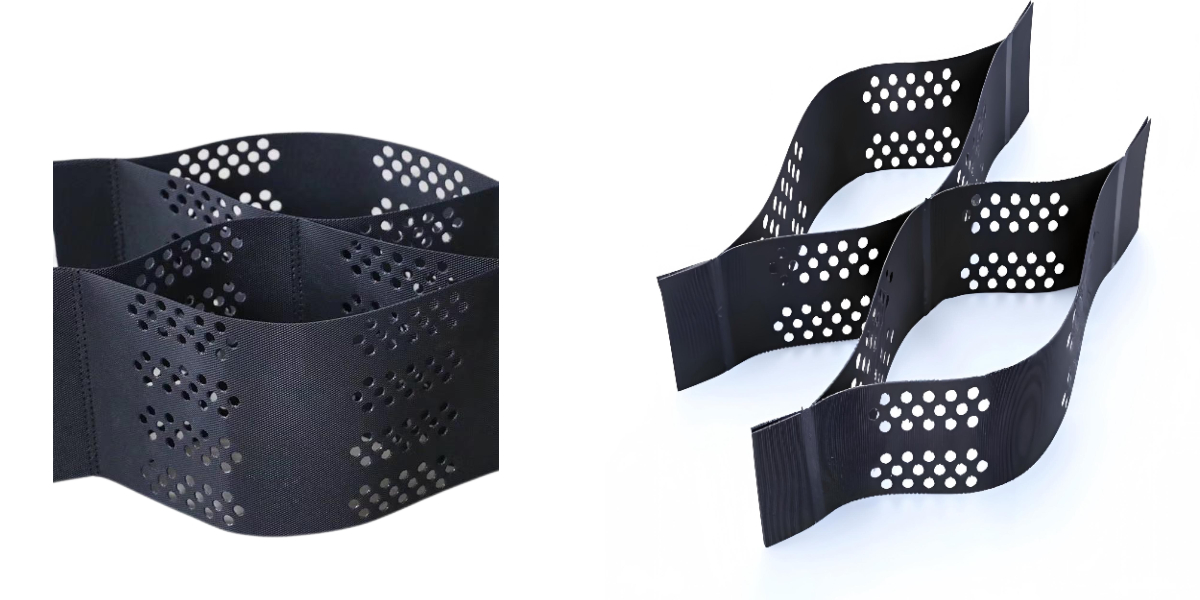
A geocell is a three-dimensional, honeycomb-like shape manufactured from high-density polyethylene (HDPE) strips ultrasonically welded together. When accelerated on-site, the Geoweb Geocell forms a flexible but inflexible mattress that can be infilled with locally available soil, sand, or aggregate.
The essential mechanism of a geocell is mobile confinement. This process works through numerous key principles:
All-Around Confinement: The geocell partitions laterally confine the infill material, preventing its movement underneath load. This confinement dramatically will increase the shear strength and stiffness of the infill mass.
Beam Effect: The confined infill acts as a semi-rigid beam, distributing utilized loads over a wider location of the weak subgrade. This reduces the vertical stress on the underlying soil, stopping bearing capacity failure.
Improved Load Distribution: By creating a stiffened platform, the Geoweb Geocell machine correctly minimizes differential settlement and reduces the required thickness of overlying aggregate layers.
This aggregate of mechanisms turns in any other case marginal infill materials into a high-performance, integrated composite layer that is a long way larger than the sum of its parts.
Key Applications of Geocells in Road and Pavement Projects
The versatility of geocell technology makes it suitable for a huge vary of applications where soil steadiness is a concern.
1. Road and Pavement Construction on Soft Soils
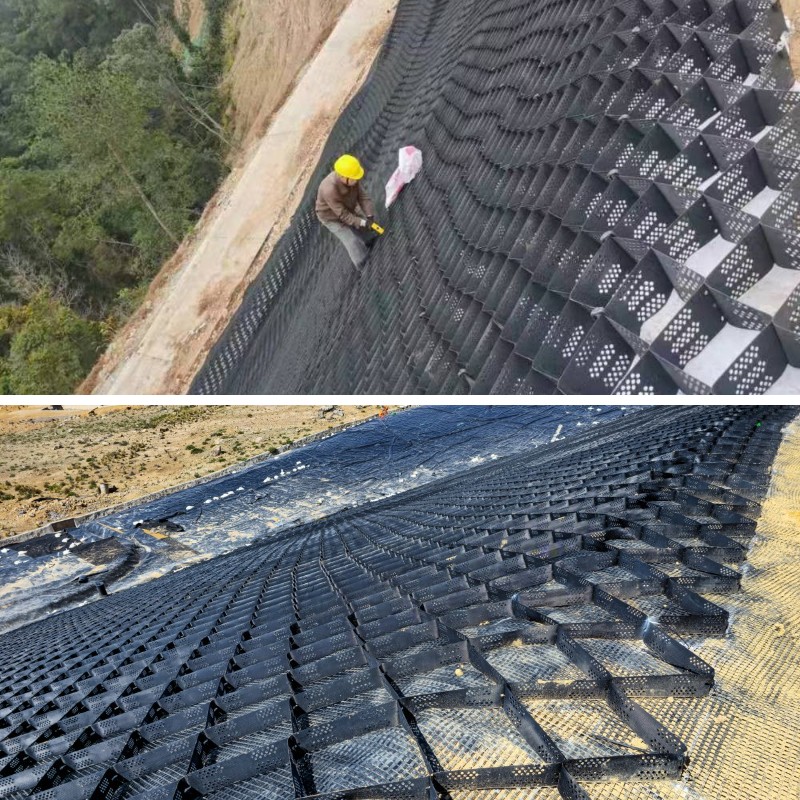
This is the essential application for subgrade stabilization. By installing a Geoweb Geocell layer at the interface between the vulnerable subgrade and the combination base, engineers create a stable working platform. This allows for building to proceed even on very smooth ground, reducing the need for over-excavation and the import of pricey pick fill. The system ensures that the aggregate base path continues its integrity and load-bearing function over the long term, directly combating rutting and pothole formation.
2. Geocell Slope Stabilization and Erosion Control
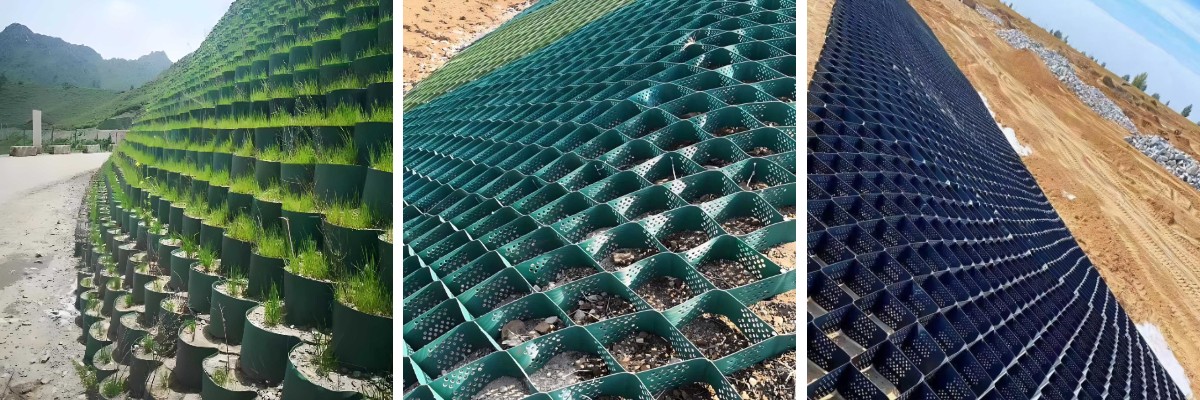
Slopes are inherently susceptible to failure due to gravitational forces and water erosion. Geocell Slope Stabilization is a highly effective technique for reinforcing every cut and fill slopes. The cellular structure affords a coherent mass that resists sliding and sloughing. When infilled with vegetation-supporting soil, it additionally promotes root locking, further enhancing steadiness and providing a green, aesthetically captivating solution. This makes the Geoweb Geocell an ideal desire for Slope Protection along highways, embankments, and coastal shorelines.
3. Channel and Waterway Protection
The erosive pressure of flowing water can devastate unprotected channels and ditch linings. A geocell mattress, infilled with concrete or vegetation, provides long lasting Slope Protection against scour and erosion, making sure the hydraulic integrity of the channel.
4. Earth Retention and Wall Facing
Geocells can be stacked to create gravity walls or used as going through for reinforced soil slopes. This utility provides a low cost and permeable alternative to typical concrete retaining walls.
Critical Design and Installation Considerations for Success
The overall performance of a Geocell Slope Stabilization or subgrade enchancment project hinges on proper diagram and meticulous installation.
Design Factors:
Geocell Specifications: The depth (cell height), seam strength, and polymer best of the Geoweb Geocell must be selected based completely on the project's specific loading and subgrade conditions.
Infill Material Selection: The type of infill—whether coarse aggregate for high-load roads or compacted soil for Slope Protection—is quintessential to the system's performance.
Bearing Capacity Analysis: Engineers need to calculate the required composite strength of the confined layer to make sure it competently reduces stress on the subgrade.
Installation Best Practices:
Site Preparation: The subgrade must be graded and compacted to the designed profile.
Geocell Deployment: The Geoweb Geocell panels are expanded and anchored securely to the floor the usage of stakes or pins.
Infill Placement: The cells are filled in stages, typically the usage of a light-weight excavator or a conveyor to prevent damage. The infill is compacted in lifts to achieve most density.
Capping Layer: A layer of aggregate may additionally be placed and compacted over the stuffed geocell to create a smooth surface for the subsequent pavement layers.
Adherence to these steps ensures that the Geoweb Geocell device performs as an integrated, high-strength layer.
The Tangible Benefits of Choosing Geocell Technology
The adoption of geocells for subgrade stabilization and Slope Protection provides a multitude of advantages over traditional methods.
Significant Cost Savings: By lowering the extent of imported aggregate and minimizing over-excavation, projects can achieve extremely good savings in material and transportation costs.
Accelerated Construction: The ability to assemble on soft soils without lengthy excavation strategies can drastically shorten project timelines.
Enhanced Long-Term Performance: Roads and slopes reinforced with geocells exhibit off superior resistance to rutting, settlement, and fatigue, leading to lower lifecycle costs.
Environmental Sustainability: Geocells promote the use of local, on-site soils, reducing the carbon footprint associated with quarrying and hauling materials. This makes Geocell Slope Stabilization a greener choice.
Superior Versatility: From access roads and parking lots to steep embankments and shoreline armor, the Geoweb Geocell computing device provides a unified solution for diverse ground improvement challenges.
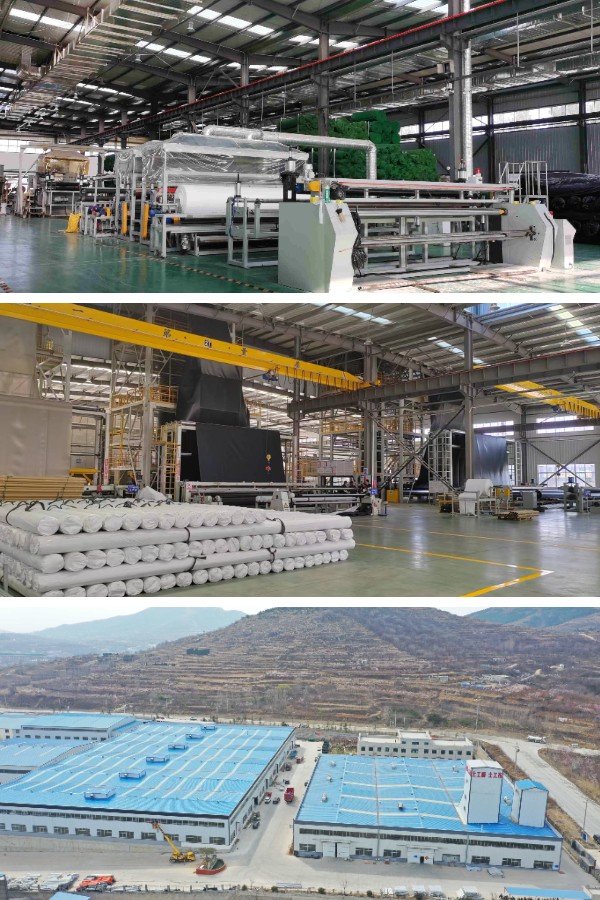
Conclusion: Building a Stronger Foundation with Geocells
The challenge of weak subgrades no longer desires to be a project's primary constraint. Geocell technology, exemplified by the Geoweb Geocell system, provides a proven, engineered, and economically sensible solution. By mechanically stabilizing the soil through cellular confinement, it transforms prone ground into a strong, reliable foundation for roads, pavements, and Slope Protection structures.
For your subsequent mission facing difficult soil conditions, think about the transformative conceivable of Geocell Slope Stabilization. It is more than just a product; it is a paradigm shift in geotechnical engineering that leads to greater resilient, durable, and reasonable infrastructure. To explore how this technology can be tailor-made to your unique needs, consult with a geotechnical engineer or an experienced geosynthetics supplier.
Contact Us
Company Name: Shandong Chuangwei New Materials Co., LTD
Contact Person :Jaden Sylvan
Contact Number :+86 19305485668
WhatsApp:+86 19305485668
Enterprise Email: cggeosynthetics@gmail.com
Enterprise Address: Entrepreneurship Park, Dayue District, Tai 'an City,
Shandong Province