The Function of Concrete Blanket in Stopping Soil Erosion of River Slopes
Why River Slopes Give Way
River banks fail for reasons that repeat on almost every site. Moving water scours the toe of the slope. Rain hits bare soil and loosens the surface. The current then carries that loosened material downstream, and the bank retreats a little further each season. Left alone, the process accelerates, because every metre of lost bank exposes fresh soil to the same forces.
A concrete blanket is one answer that deals with the scour, the rainfall impact and the loss of surface material at the same time. Below we explain the mechanism, the installation sequence, and the practical factors behind concrete blanket shelter cost, so you can compare an Erosion Control Concrete blanket system with other bank protection options on equal terms.
What a Concrete Blanket Actually Is
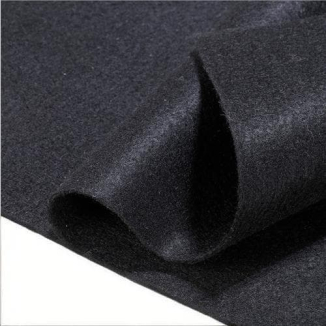
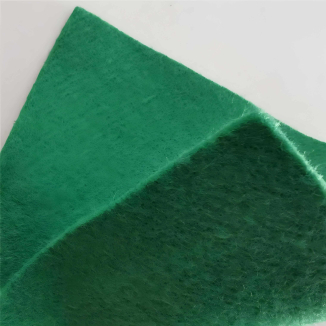
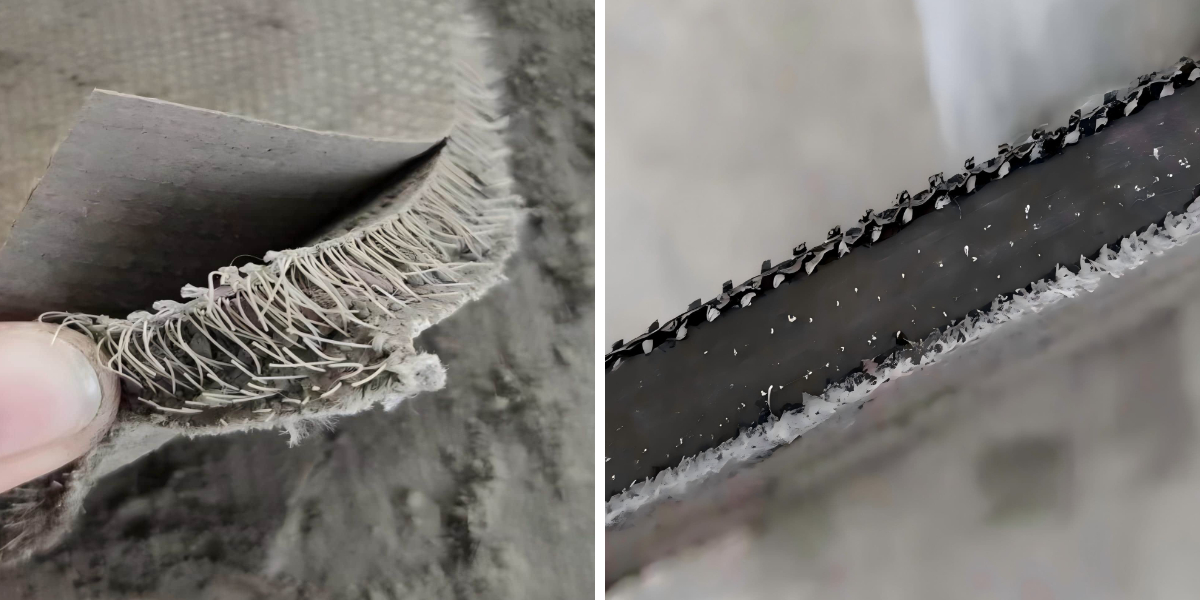
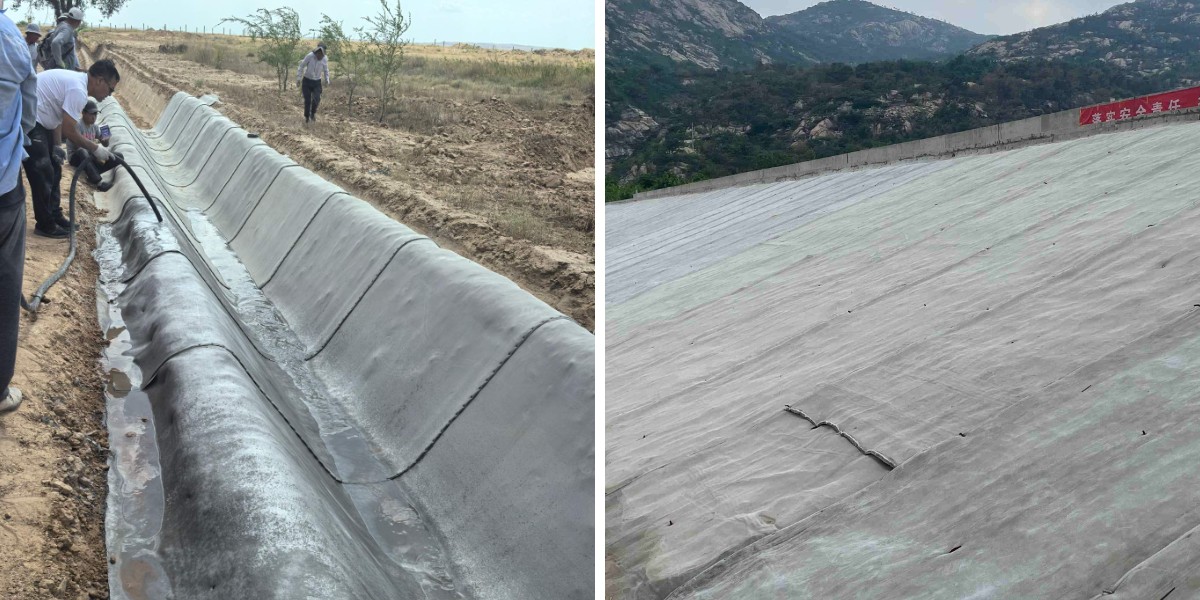
A concrete blanket is not a poured slab. It is a flexible mat, normally a fabric or geotextile carrier filled with a dry cement mix, stitched into panels and delivered on rolls. You lay it on the prepared slope and hydrate it. The mix sets in place and forms a thin, continuous armour layer that follows every curve of the bank.
Because it arrives dry and rolls out like a carpet, it suits river slopes that would be awkward to formwork. The excavation stays light, which is where an Erosion Control Concrete blanket approach saves time. The mat also flexes with minor settlement instead of fighting it, so any cracking that appears stays narrow and spread out rather than opening into one wide joint.
That flexibility helps the budget as well. Once you add material, freight and placing, concrete blanket shelter cost generally sits below cast-in-place concrete, because there are no forms to build, no repeated pours, and no long cure before the bank can be handed back.
How It Stops Erosion, Layer by Layer
Four actions do most of the work. First, weight. The saturated mat is heavy enough to resist uplift and to hold the soil beneath it in place during a high-flow event. Second, seal. The cement skin limits water entering the bank, so the soil keeps its strength instead of softening from within. Third, surface friction. The finished face is not glassy, so overland flow loses energy as it crosses it. Fourth, continuity. Panels overlap and lock together, which leaves no open joints for water to exploit.
Field performance usually comes down to those four points working together. Where one is weak, the others carry more load, which is why specification and workmanship matter more than the marketing description. A properly detailed Erosion Control Concrete blanket installation combines a sealed surface with a keyed toe, and that combination is what keeps a bank stable through the wet season.
Budget planning is easier once the mechanism is clear. You are paying for a continuous, anchored armour layer rather than for volume alone, so concrete blanket shelter cost tracks the length and profile of the bank, not simply the depth of the concrete.
Putting It on a River Slope: The Sequence
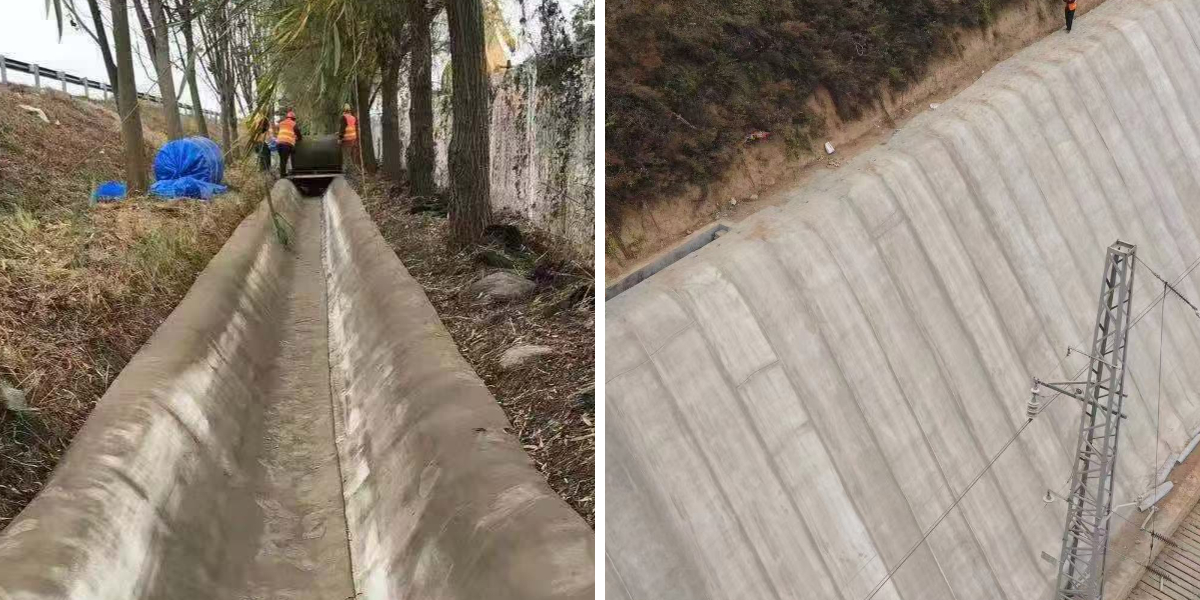
Work starts with the profile. The bank is trimmed to a stable line, loose material is removed, and soft spots are made good before anything is rolled out. A toe trench is excavated and, on many designs, lined with a separate filter geotextile to stop fines being washed out from beneath the mat.
Sheets are then rolled down from crest to toe, with overlaps running in the direction of flow and generous side laps. Anchoring follows: pins, or a keyed toe, or both, depending on the design. Hydration comes next, applied in stages so the mix takes up water evenly rather than shedding it off a dry surface. Curing and toe backfill close the job.
Site access changes the plan more than people expect. A narrow riverside path may mean smaller rolls, hand placing and more labour hours, all of which feed directly into concrete blanket shelter cost. Where a machine can reach the crest, the same Erosion Control Concrete blanket job moves much faster and the final figure reflects that.
Where It Works Best, and Where It Does Not
A concrete blanket is at its best on banks with moderate flow, seasonal water level changes and limited working space. It also suits sites that must be reinstated quickly, because the mat can be placed and hydrated in a short window compared with formed concrete work.
It is a weaker choice where the bank faces heavy debris impact, very high velocity, or where the design calls for full revegetation and habitat continuity. On those sites the mat may still be part of the answer, but usually as a toe protection element rather than the whole treatment.
Talking this through early is worthwhile, because the decision shapes everything downstream, including concrete blanket shelter cost. A system sized for the wrong flow condition is expensive twice: once to install, and again to repair.
The Real Drivers of Concrete Blanket Shelter Cost
Cost on this kind of work is rarely about the headline price of the roll. It is about the total package.
Material specification. Cement content and carrier weight set the unit price and, more importantly, the durability you get for it.
Freight. The mats are heavy, so distance and handling have a visible effect on the delivered figure.
Overlaps and waste. Cutting losses and generous laps raise the quantity needed for a given bank length.
Access and plant. Tight riverside sites need smaller equipment and more manual handling.
Anchoring. Pins, toe keys and extra excavation all add scope.
Water for hydration. Remote sites may need a bowser and a pumping setup.
Maintenance. A sensible allowance for inspection and local repair belongs in the number too.
Set against riprap or gabion work, an Erosion Control Concrete blanket often compares well on placed cost, especially where access is poor and delivery of loose stone would be slow. The honest way to read concrete blanket shelter cost is per metre of protected bank, covering material, freight, labour, anchors and cure time, rather than per roll.
Comparing With Other Bank Protection Methods
Riprap is robust and familiar, but it needs heavy stone, a filter layer and good machine access. Gabions handle movement well yet demand skilled packing and a reliable stone supply. Articulated blocks give a neat finish and are repairable, though the block count adds up on long banks. Grass and reinforced vegetation are cheap and good for habitat, but they take time to establish and offer little during the first flood season.
A concrete blanket sits between these options. It gives immediate protection, needs little space to install, and can be vegetated over time if the design allows. That balance is why it appears so often in river rehabilitation schemes, and why concrete blanket shelter cost is usually judged against the cost of doing nothing and repairing the bank later.

Final Thoughts
Erosion on river slopes is not solved by strength alone. It is solved by covering the soil, holding it down, keeping water out and closing every gap. A concrete blanket does all four in one thin, flexible layer, and it does so with modest site disruption.
Judge any quotation the same way: ask what is included, how the toe is anchored, and how the bank length was measured. Read that way, concrete blanket shelter cost becomes a clear, comparable figure instead of a single number on a supplier's sheet, and the Erosion Control Concrete blanket decision becomes an engineering choice rather than a price guess.