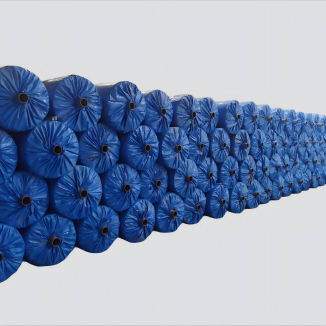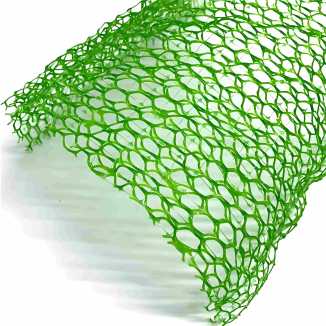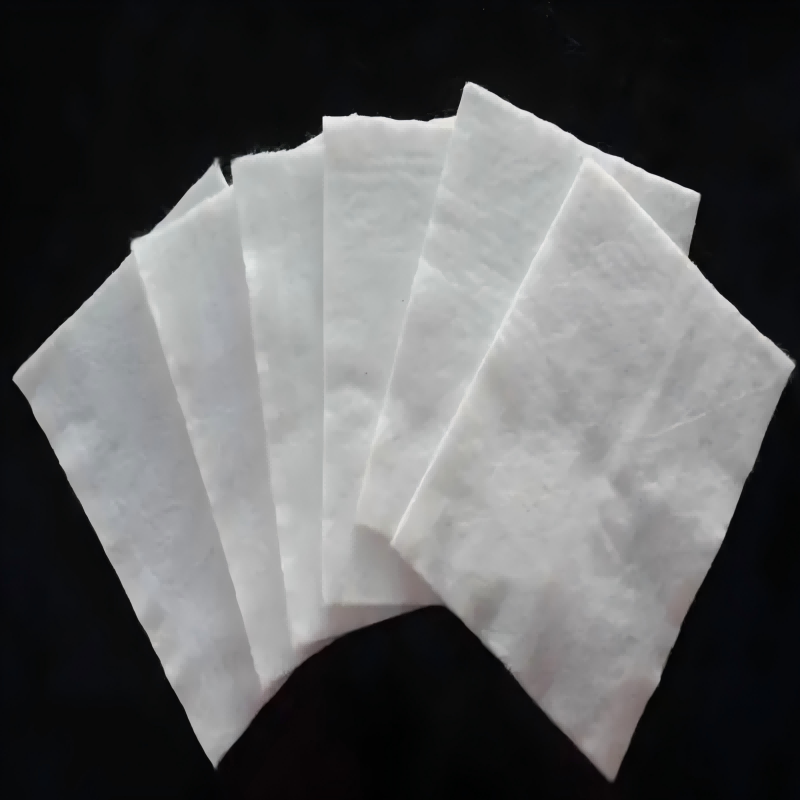
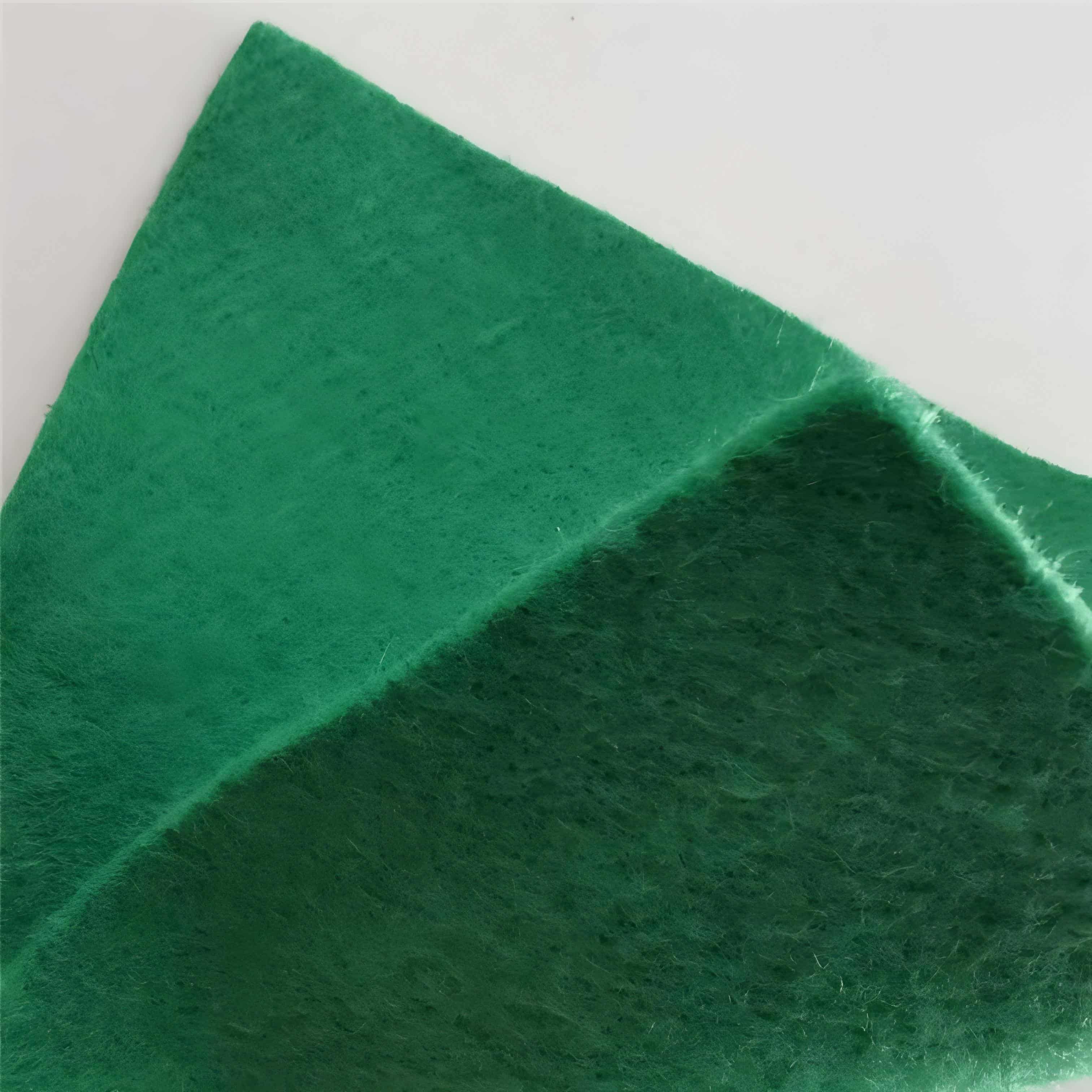
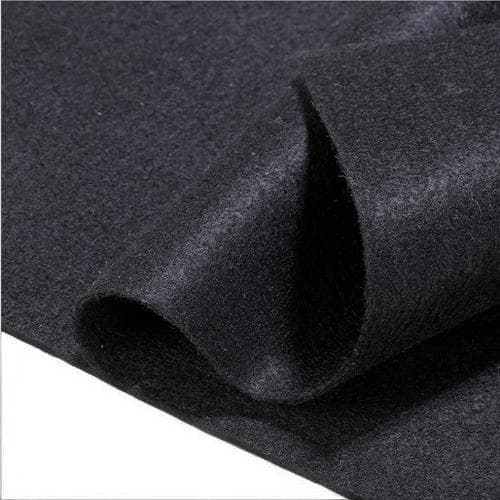
Nonwoven Geotextile Drainage Fabric
1. Highly efficient permeable drainage: The three-dimensional fiber porous structure quickly drains excess water while preventing soil particle loss.
2. Lightweight and easy to install: The non-woven fabric manufacturing process provides excellent flexibility, allowing for easy cutting and rapid installation, significantly reducing labor costs.
3. Strong and wear-resistant: Possesses excellent tensile and tear resistance, able to withstand engineering compaction and natural environmental erosion, ensuring high durability.
4. Multifunctional and integrated: Integrates drainage, filtration, and isolation functions into one unit, eliminating the need for additional layers of materials and reducing overall project costs.
Products Introduction:
Non woven Geotextile Drainage Fabric is a functional geosynthetic material designed specifically for moisture management and soil protection. It is made from polypropylene (PP) or polyester (PET) filament/staple fibers and is processed into a three-dimensional porous structure through needle punching or spunbonding techniques. Its core function focuses on "efficient drainage+precise filtration", mainly laid between soil, sand layers or structures. It can quickly divert rainwater, groundwater, leachate and other moisture, intercept soil fine particles to prevent drainage channel blockage, and protect surrounding structures from water erosion.
Different from ordinary non-woven geotextiles, this product enhances the balance between "drainage efficiency" and "filtration accuracy" by optimizing porosity and fiber arrangement, and is suitable for scenarios with high water control requirements such as water conservancy, municipal engineering, environmental protection, and agriculture. It is a key material for solving problems such as waterlogging, soil softening, and pollution diffusion.
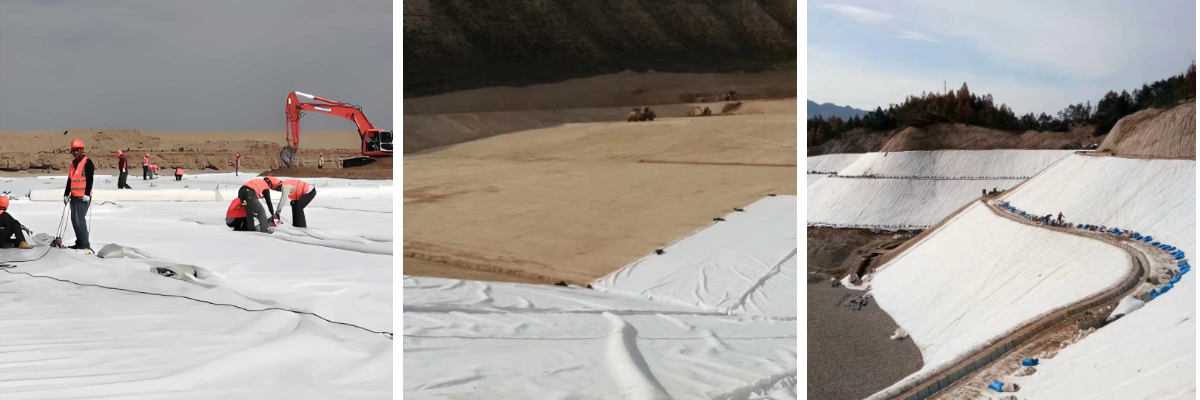
Product Features:
1. Efficient drainage and quick water diversion
Adopting a three-dimensional porous structure with a porosity of up to 70% -90%, and interconnected pores forming continuous drainage channels, the permeability coefficient is ≥ 1 × 10 ⁻ cm ²/s (much higher than that of ordinary non-woven geotextiles), which can quickly accept and guide surface runoff, soil seepage or accumulated water around structures, reduce regional moisture content in a short period of time, avoid soil softening, foundation settlement or structural damage caused by water retention, especially suitable for rainy areas or high groundwater level scenarios.
2. Precise filtration, anti blocking and smooth operation
The fibers are randomly interwoven to form a uniform filtering aperture (0.05-0.2mm), with a fine soil particle retention rate of ≥ 95%, which can effectively prevent fine particles in soil and sand from entering the drainage system (such as infiltration ditches and drainage pipes) with water flow, avoiding pipeline blockage or drainage layer failure; At the same time, allowing water to freely pass through, achieving the core requirement of "filtering soil without filtering water", and ensuring the long-term smoothness of the drainage system.
3. Weather resistant and corrosion-resistant, long-lasting and durable
The raw materials have undergone anti UV, anti acid and alkali, and anti biodegradation treatments, and can be stably used in extreme environments ranging from -30 ℃ to 80 ℃, resisting soil corrosion, microbial decomposition, and outdoor sun and rain exposure; The service life can reach 8-12 years in ordinary soil or water environments, and it can also maintain stable performance for 5-8 years in complex environments such as landfills and sewage treatment plants, reducing the maintenance cost of frequent replacement.
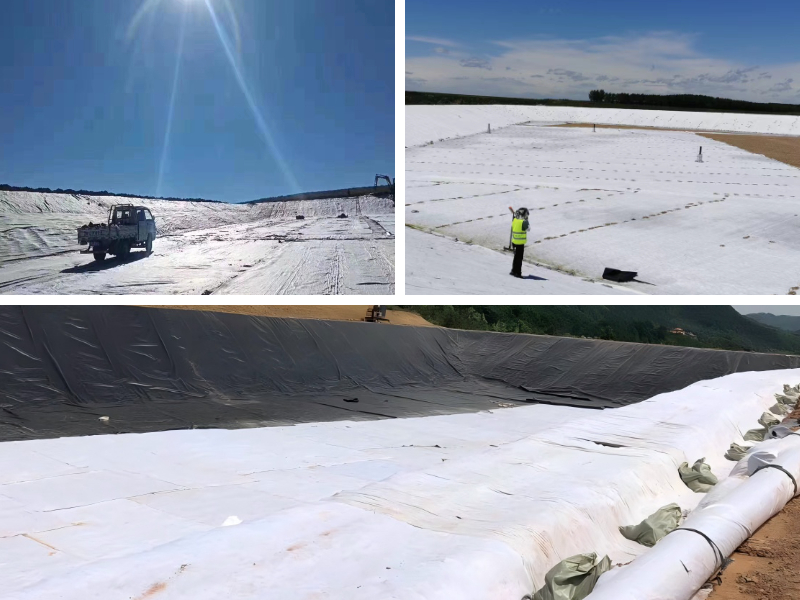
4. Flexible and adaptable, easy to lay and labor-saving
Soft texture and good ductility (fracture elongation of 20% -50%), can fit irregular base layers (such as curved ditches, slopes, and depressed areas), without blind spots for laying; Lightweight (150-400g/m ²), easy to cut, no need for professional large equipment, manual overlap (overlap width ≥ 10cm) can be completed for laying, compatible with various construction processes, and the construction efficiency is 30% -50% higher than traditional sand and gravel drainage layers.
5. Ecological and environmental protection, safe and reliable
Using non-toxic and harmless polymer materials, there are no harmful emissions during the production process, and no pollutants are released after installation. It can directly contact soil, groundwater, and vegetation roots, and is suitable for high environmental protection scenarios such as ecological restoration and agricultural water conservancy; Some biodegradable models can naturally decompose into harmless substances at the end of their service life, reducing environmental burden.
Product Parameters:
project | metric | ||||||||||
Nominal strength/(kN/m) | |||||||||||
6 | 9 | 12 | 18 | 24 | 30 | 36 | 48 | 54 | |||
1 | Longitudinal and transverse tensile strength / (kN/m) ≥ | 6 | 9 | 12 | 18 | 24 | 30 | 36 | 48 | 54 | |
2 | Maximum elongation at maximum load in longitudinal and transverse directions/% | 30~80 | |||||||||
3 | CBR top penetration strength /kN ≥ | 0.9 | 1.6 | 1.9 | 2.9 | 3.9 | 5.3 | 6.4 | 7.9 | 8.5 | |
4 | Longitudinal and transverse tearing strength /kN | 0.15 | 0.22 | 0.29 | 0.43 | 0.57 | 0.71 | 0.83 | 1.1 | 1.25 | |
5 | Equivalent aperture O.90(O95)/mm | 0.05~0.30 | |||||||||
6 | Vertical permeability coefficient/(cm/s) | K× (10-¹~10-), where K=1.0~9.9 | |||||||||
7 | Width deviation rate /% ≥ | -0.5 | |||||||||
8 | Unit area mass deviation rate /% ≥ | -5 | |||||||||
9 | Thickness deviation rate /% ≥ | -10 | |||||||||
10 | Thickness coefficient of variation (CV)/% ≤ | 10 | |||||||||
11 | Dynamic perforation | Puncture hole diameter/mm ≤ | 37 | 33 | 27 | 20 | 17 | 14 | 11 | 9 | 7 |
12 | Longitudinal and transverse fracture strength (grab method)/kN ≥ | 0.3 | 0.5 | 0.7 | 1.1 | 1.4 | 1.9 | 2.4 | 3 | 3.5 | |
13 | Ultraviolet resistance (Xenon arc lamp method) | Longitudinal and transverse strength retention rate% ≥ | 70 | ||||||||
14 | Ultraviolet resistance (fluorescence UV lamp method) | Longitudinal and transverse strength retention rate% ≥ | 80 | ||||||||
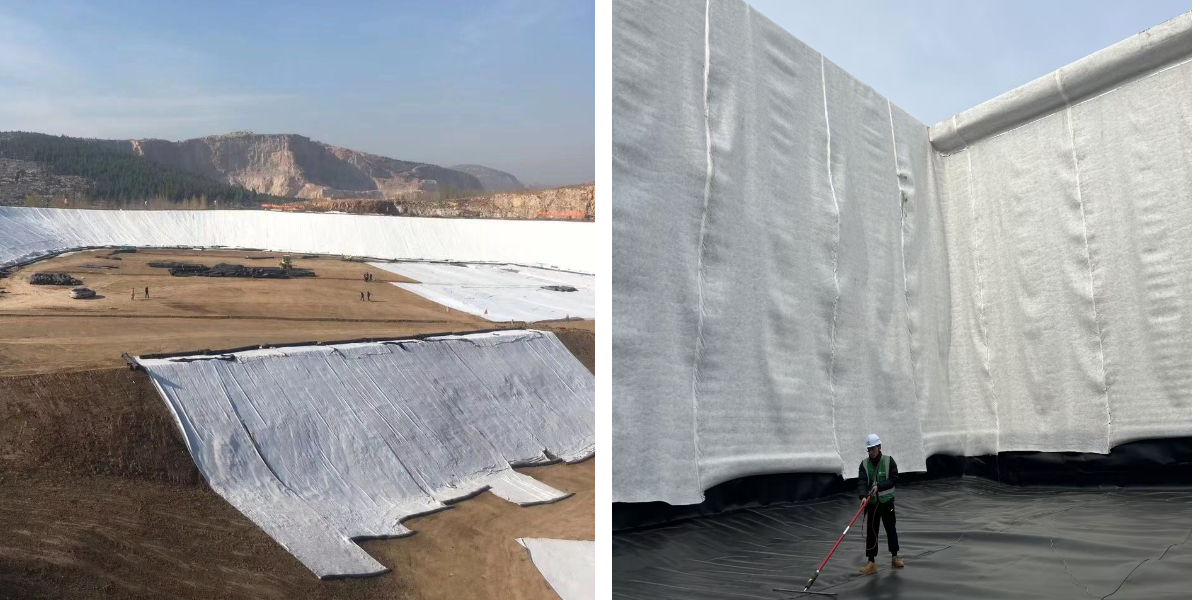
Product Applications:
1. Water conservancy and municipal drainage engineering
Road drainage: laid on the side of the roadbed or underground drainage blind ditch of highways and municipal roads, to divert accumulated water in the roadbed and prevent roadbed softening and pavement cracking caused by rainwater infiltration; Cooperate with the use of curbstones to accelerate the discharge of surface runoff and reduce waterlogging on the road surface.
River and ditch protection: laid on the inner wall or bottom of river bank slopes and irrigation ditches, on the one hand to divert water seepage from the bank slopes to prevent soil loss, and on the other hand to filter sediment in the water flow to avoid ditch siltation and maintain the drainage capacity of the river and ditch.
2. Environmental Protection and Waste Management Engineering
Landfill leachate drainage: It is laid above the anti-seepage membrane at the bottom of the landfill or around the leachate collection ditch to filter impurities in the leachate, prevent blockages in the collection pipeline, and divert the leachate to the treatment system to reduce the risk of pollutant diffusion.
Wastewater treatment plant oxidation pond/infiltration filter: used at the bottom of the oxidation pond or around the infiltration filter to isolate sewage from the surrounding soil, prevent sewage from infiltrating and polluting groundwater, and filter sediment in the water to maintain the water quality and drainage efficiency of the pond and its body.
3. Construction and foundation pit engineering
Building foundation pit drainage: It is laid in the slope or bottom drainage blind ditch of the foundation pit to quickly discharge groundwater and rainwater inside the pit, reduce the water content in the pit, enhance the stability of the slope, prevent collapse, and ensure construction safety.
Underground pipe gallery protection: Wrap the outer side of the underground pipe gallery or lay a drainage layer around the pipe gallery to divert water seepage around the pipe gallery, prevent water from seeping into the interior of the pipe gallery and damaging equipment, and filter soil particles to avoid blockage of drainage channels.
4. Agriculture and Ecological Engineering
Irrigation and drainage in farmland: installed on the inner walls of farmland drainage ditches and irrigation channels to filter sediment from water flow, prevent channel blockage, and reduce irrigation losses; At the same time, diverting excess water from farmland, reducing soil moisture content, and avoiding crop root rot.
Ecological slope restoration: laid on the surface of vegetation slopes or below the sprayed green layer, to divert slope seepage and prevent soil loss, provide a stable and moist environment for vegetation roots, assist in slope ecological restoration, and adapt to scenarios such as highway slopes and mine greening.
5. Landscape and Horticultural Engineering
Roof Garden Drainage: Installed between the planting soil and waterproof layer in the roof garden, it diverts excess water from the planting soil, prevents water from seeping into and damaging the roof waterproof layer, and filters out soil particles to avoid blockage of drainage holes.
Water landscape protection: used at the bottom or periphery of artificial lakes and landscape ponds to isolate water bodies from surrounding soil, prevent sediment from seeping into water bodies and causing turbidity, while also diverting surrounding seepage and maintaining stable water levels in water features.
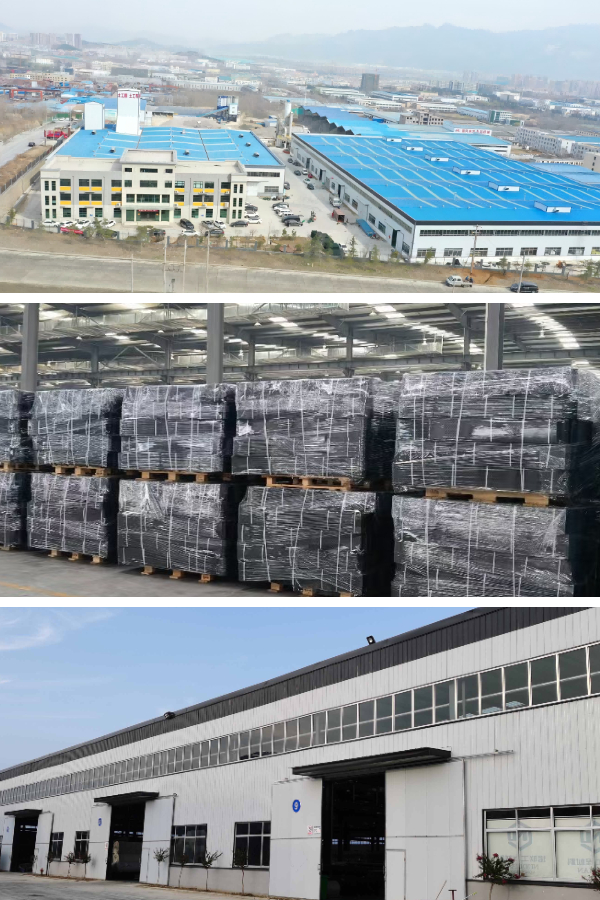
Non woven Geotextile Drainage Fabric, with its core advantages of "efficient drainage, precise filtration, long-lasting durability, and easy to lay and environmentally friendly", accurately solves the pain points of "difficult moisture control, blocked drainage systems, and high maintenance costs" in various fields. Whether it is flood prevention and drainage in municipal engineering, pollution prevention and control in environmental protection projects, or efficient irrigation in the agricultural field, reliable solutions for water diversion and soil protection can be provided through scientific structural design and performance optimization.