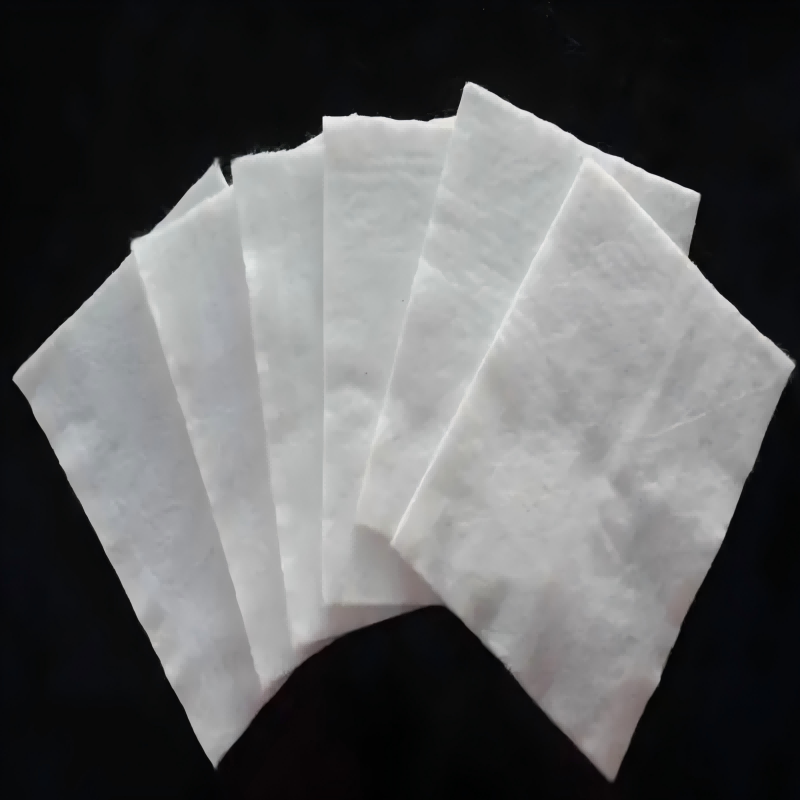
Geotextile For Gardening
1. Weed growth prevention: Horticultural geotextiles can effectively block sunlight from reaching the soil surface, inhibit the germination and growth of weed seeds, and reduce the workload of manual weeding.
2. Soil moisture retention: It has good water permeability, allowing rainwater to penetrate the soil smoothly. At the same time, it can slow down the evaporation rate of soil moisture, helping the soil maintain an appropriate humidity and providing a good water environment for plant growth.
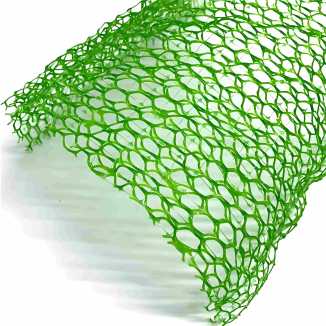
3. Soil stability enhancement: Laying geotextiles can prevent soil from being eroded by rainwater, reduce soil erosion. In sloped areas or areas prone to soil erosion, it can effectively maintain the stability of the soil structure and protect plant roots.
4. Excellent air permeability: It allows air to circulate in the soil, which is helpful for the respiration of plant roots, promotes the healthy growth of roots, and creates a good rhizosphere micro - environment for plants.
Product Introduction
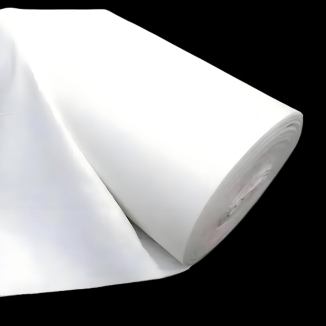
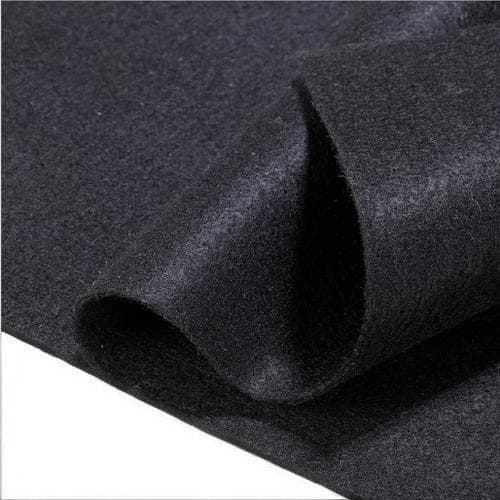
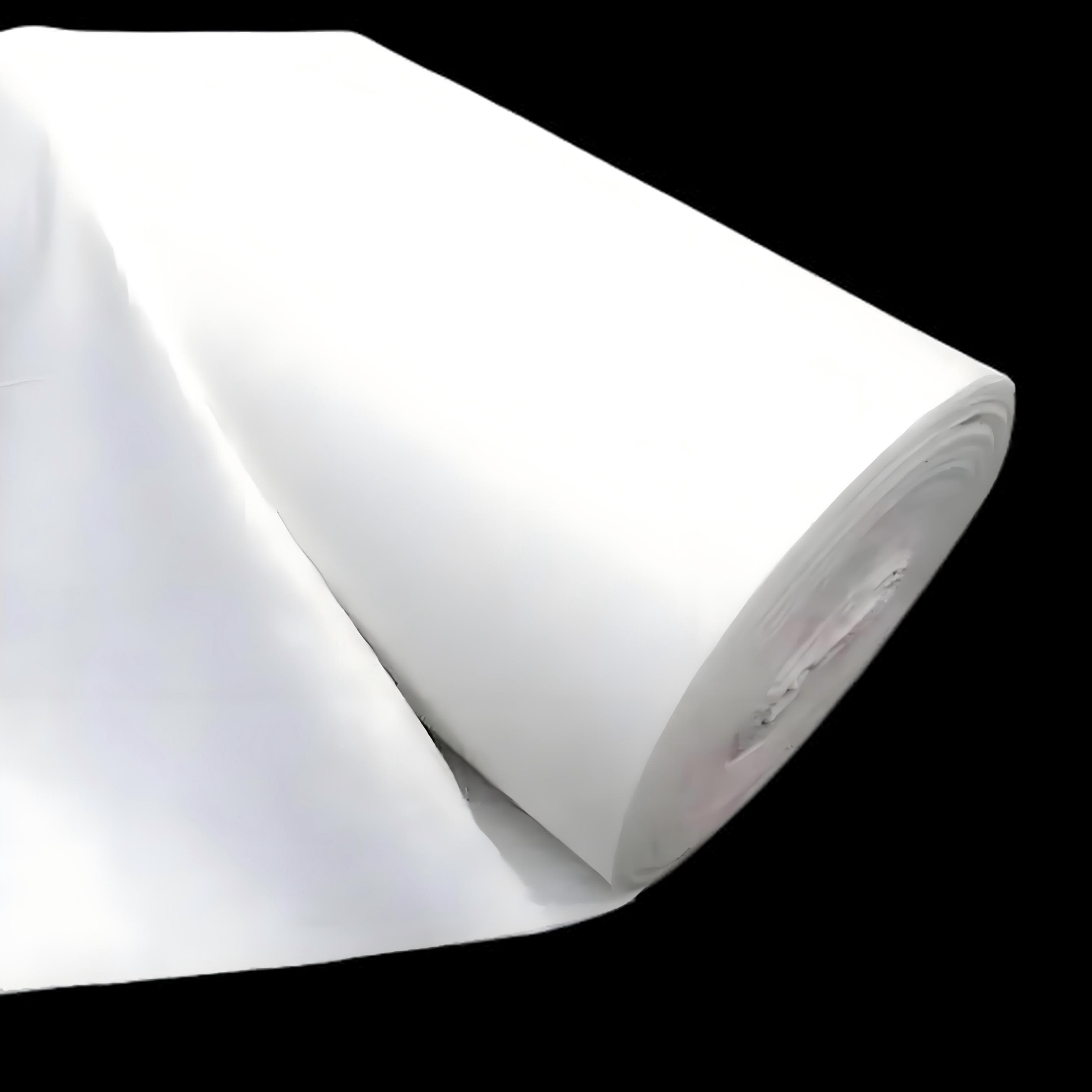
Geotextile for gardening is a specialized fabric engineered to elevate gardening experiences. Crafted from premium - grade polymers like PET (Polyethylene Terephthalate) or PP (Polypropylene), it undergoes advanced manufacturing processes such as needle - punching or thermal bonding. This results in a fabric with a uniform, porous structure that’s both flexible and durable.
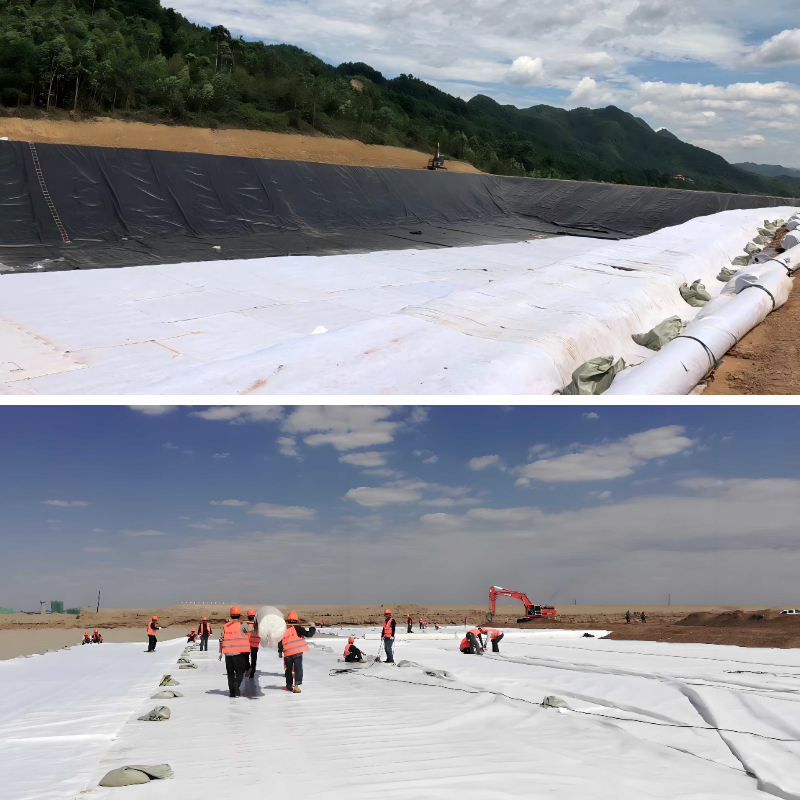
It boasts excellent chemical stability, resisting degradation from common garden chemicals like fertilizers and pesticides. The fabric’s texture strikes a perfect balance—being soft enough for easy handling, cutting, and shaping to fit diverse garden layouts, yet robust enough to withstand the mechanical stresses of installation and long - term outdoor exposure. Whether used in small home gardens or large - scale commercial landscaping, it serves as a reliable, multi - functional solution to address key gardening challenges.
Product Parameters
project | metric | ||||||||||
Nominal strength/(kN/m) | |||||||||||
6 | 9 | 12 | 18 | 24 | 30 | 36 | 48 | 54 | |||
1 | Longitudinal and transverse tensile strength / (kN/m) ≥ | 6 | 9 | 12 | 18 | 24 | 30 | 36 | 48 | 54 | |
2 | Maximum elongation at maximum load in longitudinal and transverse directions/% | 30~80 | |||||||||
3 | CBR top penetration strength /kN ≥ | 0.9 | 1.6 | 1.9 | 2.9 | 3.9 | 5.3 | 6.4 | 7.9 | 8.5 | |
4 | Longitudinal and transverse tearing strength /kN | 0.15 | 0.22 | 0.29 | 0.43 | 0.57 | 0.71 | 0.83 | 1.1 | 1.25 | |
5 | Equivalent aperture O.90(O95)/mm | 0.05~0.30 | |||||||||
6 | Vertical permeability coefficient/(cm/s) | K× (10-¹~10-), where K=1.0~9.9 | |||||||||
7 | Width deviation rate /% ≥ | -0.5 | |||||||||
8 | Unit area mass deviation rate /% ≥ | -5 | |||||||||
9 | Thickness deviation rate /% ≥ | -10 | |||||||||
10 | Thickness coefficient of variation (CV)/% ≤ | 10 | |||||||||
11 | Dynamic perforation | Puncture hole diameter/mm ≤ | 37 | 33 | 27 | 20 | 17 | 14 | 11 | 9 | 7 |
12 | Longitudinal and transverse fracture strength (grab method)/kN ≥ | 0.3 | 0.5 | 0.7 | 1.1 | 1.4 | 1.9 | 2.4 | 3 | 3.5 | |
13 | Ultraviolet resistance (Xenon arc lamp method) | Longitudinal and transverse strength retention rate% ≥ | 70 | ||||||||
14 | Ultraviolet resistance (fluorescence UV lamp method) | Longitudinal and transverse strength retention rate% ≥ | 80 | ||||||||
Product Applications
1. Residential Garden Beds:In home gardens, it transforms flower beds and vegetable patches. When laid beneath the soil layer in flower beds, it curbs weed growth, letting blooms like roses, tulips, and daisies thrive without competition for nutrients. For vegetable gardens, it maintains soil moisture, ensuring consistent hydration for tomatoes, cucumbers, and lettuce, leading to better yields and healthier produce. Homeowners can also use it to line raised garden beds, preventing soil leakage and boosting bed longevity.
2. Commercial Landscaping Projects:Landscaping firms rely on it for large - scale projects like park renovations and corporate campus greening. In parks, it stabilizes soil on slopes around walking trails, preventing erosion and keeping grass, shrubs, and small trees in place. At corporate campuses, it creates neat, low - maintenance garden zones around office buildings. Placed under decorative gravel or mulch in plaza planters, it stops weeds from marring the aesthetic, ensuring a polished look year - round.
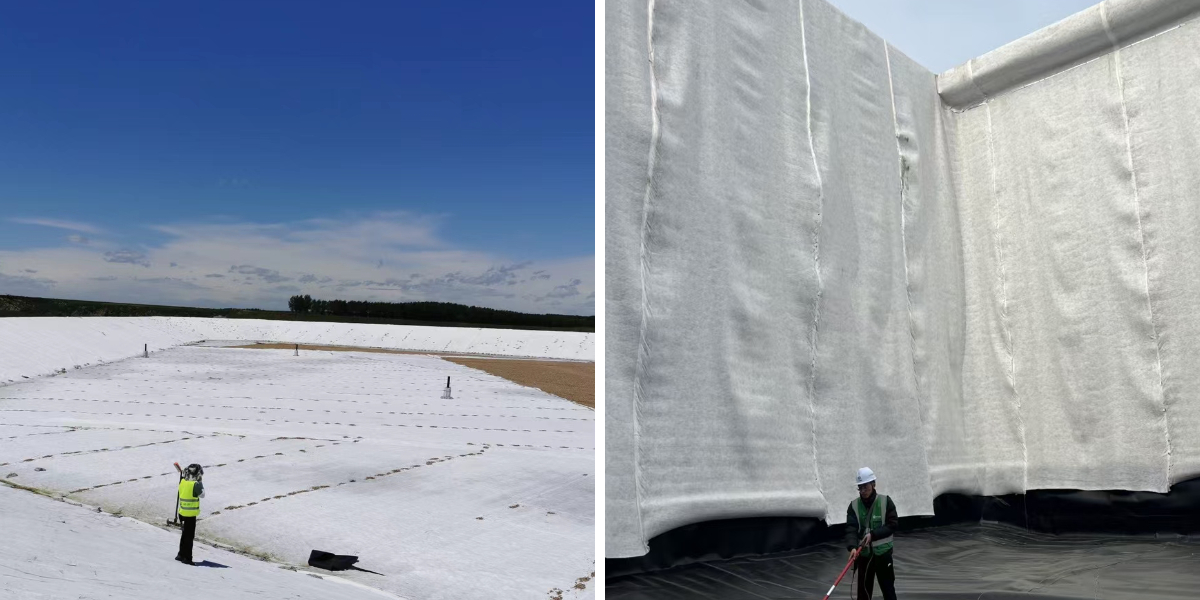
3. Green Roof Installations:For green roofs on residential and commercial buildings, it’s a key component. It separates the growing medium (soil mix for plants) from the roof structure, allowing water drainage while retaining essential moisture. Sedum, thyme, and other drought - tolerant plants on green roofs depend on it to regulate water, reducing the roof’s heat absorption and contributing to energy efficiency. It also protects the roof membrane from root penetration, extending the roof’s service life.
4. Indoor Gardening Setups:Indoor gardeners use it in various ways. In hydroponic systems with a soil - less growing medium, it acts as a breathable barrier, facilitating air circulation to plant roots. For indoor vertical gardens, it lines the planting pockets, preventing soil or growing medium from spilling while ensuring proper water drainage. Whether for growing herbs in kitchen windowsills or creating lush living walls in offices, it helps maintain a clean, organized indoor gardening environment.

Geotextile for gardening is a functional fabric designed for horticultural maintenance. It is made from polyester (PET) or polypropylene (PP) through needle-punching and thermal bonding processes. Featuring flexibility and easy cutability, it can be adapted to various scenarios such as flower beds and flower pots. Moreover, it exhibits excellent chemical stability, capable of resisting erosion from fertilizers and pesticides as well as aging caused by ultraviolet rays, ensuring it remains undamaged even after long-term use.Its core advantage lies in balancing "permeability" and "blocking": with a pore size ranging from 0.05 to 2 millimeters, it allows rainwater and air to penetrate smoothly, maintaining soil moisture and facilitating root respiration. At the same time, it blocks sunlight from reaching weed seeds and prevents the loss of soil particles, thereby reducing the workload of weeding and the risk of soil erosion. In terms of applications, it covers the entire field of horticulture.