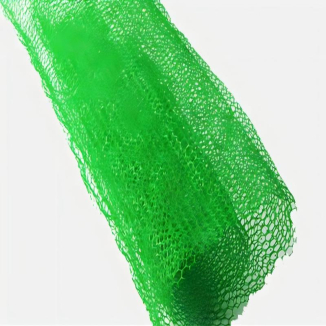
Why Cement Blanket Reduces Your Total Project Cost: Labor, Transport & Time Savings
Introduction
Traditional concrete construction has long been plagued by cumbersome procedures, high resource consumption and lengthy construction cycles, which continuously push up the overall expenditure of civil engineering, water conservancy and slope protection projects. As an innovative flexible building material, cement blanket has completely changed the traditional concrete construction model with its unique structural design and convenient construction methods. The high-performance concrete impregnated fabric integrates cement ingredients and fiber fabric structure, which can achieve rapid molding and solidification after hydration. For project contractors and engineering owners, choosing reliable cement blankets for sale is not only a choice of high-efficiency building materials, but also a core way to cut down comprehensive project costs from labor, transportation and construction time dimensions. This article deeply analyzes how cement blanket optimizes project construction links and realizes full-cycle cost reduction.
1. Fundamental Advantages of Cement Blanket Over Traditional Concrete Works
To understand the cost-saving logic of cement blanket, it is necessary to clarify its essential differences from traditional pouring concrete. Concrete impregnated fabric is a prefabricated composite material with dry cement and protective fiber layers integrated in the factory, requiring no on-site concrete mixing, ingredient proportioning and complex mold supporting operations. A qualified cement blanket maintains stable structural strength and weather resistance after solidification, which can fully meet the engineering standards of slope protection, river bank reinforcement, ditch lining and foundation protection.
Different from traditional concrete construction that requires a large number of auxiliary materials and mechanical equipment, cement blankets for sale are designed for lightweight and modular use. Each piece of cement blanket is easy to store and carry, eliminating the waste of raw materials caused by on-site mixing. The stable performance of concrete impregnated fabric also avoids quality fluctuations caused by manual proportioning errors, reducing the hidden cost of rework and maintenance due to unqualified engineering quality. This inherent structural advantage lays a solid foundation for the overall cost reduction of engineering projects.
2. Substantial Labor Cost Savings With Cement Blanket Application
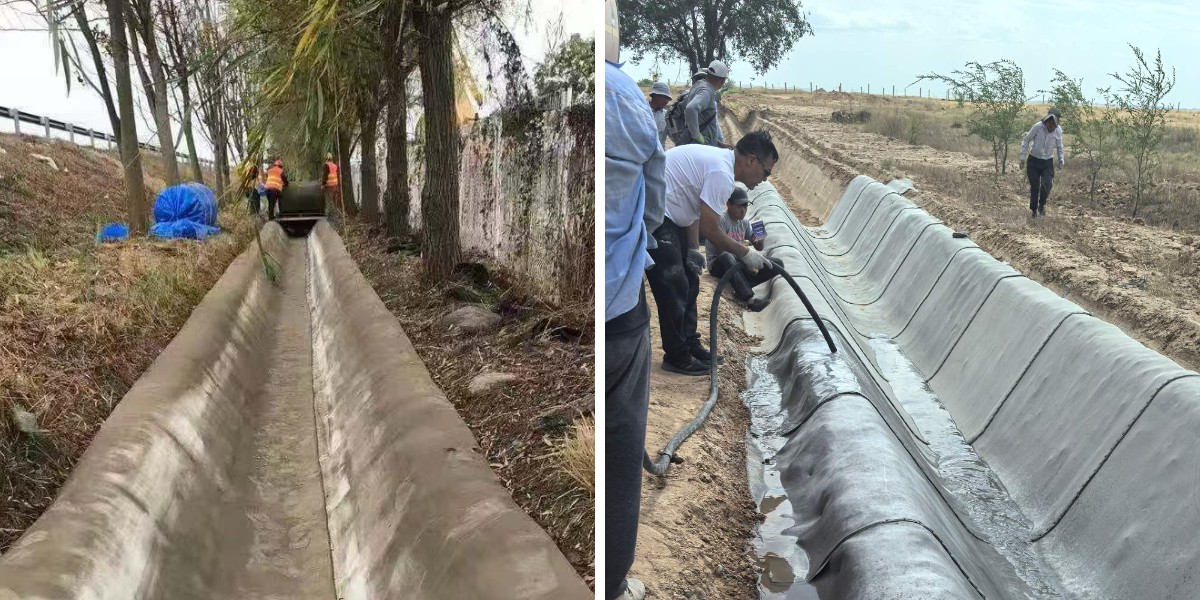
Labor cost occupies a large proportion of the total budget in traditional concrete projects, and the application of cement blanket can greatly reduce on-site labor demand and simplify construction processes. Traditional concrete pouring requires professional teams to complete mold erection, mixing, pouring, smoothing and maintenance, with multiple process links and high reliance on skilled workers. In contrast, the construction operation of cement blanket is simple and intuitive, with low technical threshold for workers.
Concrete impregnated fabric can be directly deployed on the sorted construction base surface, and only needs simple paving, fixing and watering hydration to complete the construction. The whole process cancels a series of complex manual operations such as concrete mixing and surface polishing. Using standard cement blankets for sale can effectively reduce the number of on-site construction personnel, shorten the single-shift working cycle, and greatly cut down long-term labor expenses such as worker wages and on-site management costs.
In addition, the simple construction process of cement blanket reduces the probability of human operation errors, avoids extra labor investment caused by rework and repair, and further controls the invisible labor cost of the project. Whether it is large-area continuous construction or scattered small-scale engineering operations, it can show excellent labor cost-saving effects.
3. Lower Transport and Logistics Costs From Lightweight Concrete Impregnated Fabric
Transportation and logistics costs are easily overlooked but important components of project total cost, and cement blanket has obvious advantages in reducing logistics expenditure. Traditional concrete raw materials include cement, sand, stone and other bulk materials, which occupy a large space and require multiple transportation trips, resulting in high vehicle scheduling and freight costs. Meanwhile, bulk materials are prone to loss and moisture deterioration during transportation, causing additional economic losses.
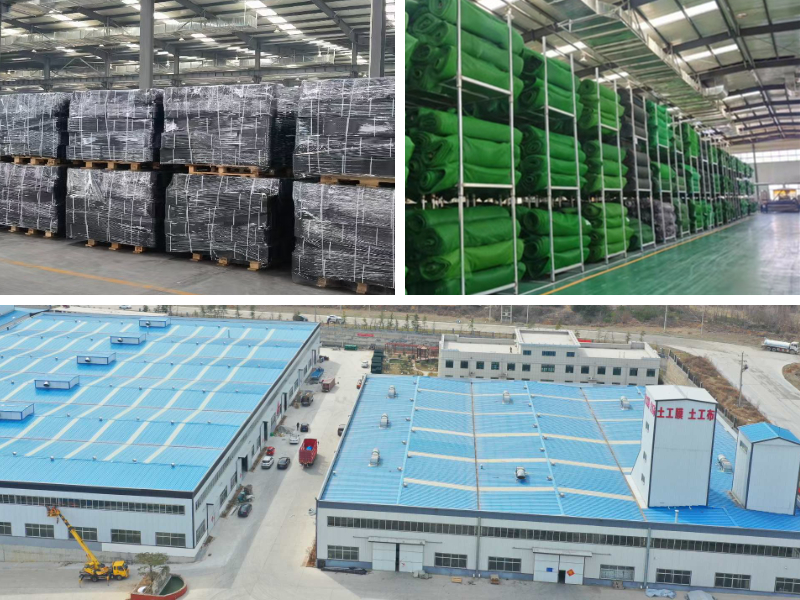
Cement blanket is a dry lightweight prefabricated material with compact packaging and high space utilization. A large number of cement blankets for sale can be loaded in a single transportation vehicle, effectively reducing the number of transportation trips and lowering overall freight and vehicle rental costs. The integrated structure of concrete impregnated fabric will not produce material loss or quality deterioration during long-distance transportation and on-site storage, eliminating the hidden logistics cost caused by raw material waste.
Moreover, the lightweight feature of cement blanket also reduces the demand for large lifting and handling equipment on the construction site. Most laying and handling operations can be completed by conventional tools, which saves the equipment rental and transportation costs of large mechanical facilities, and further optimizes the project logistics cost system.
4. Dramatic Time Savings to Reduce Overall Project Operating Costs
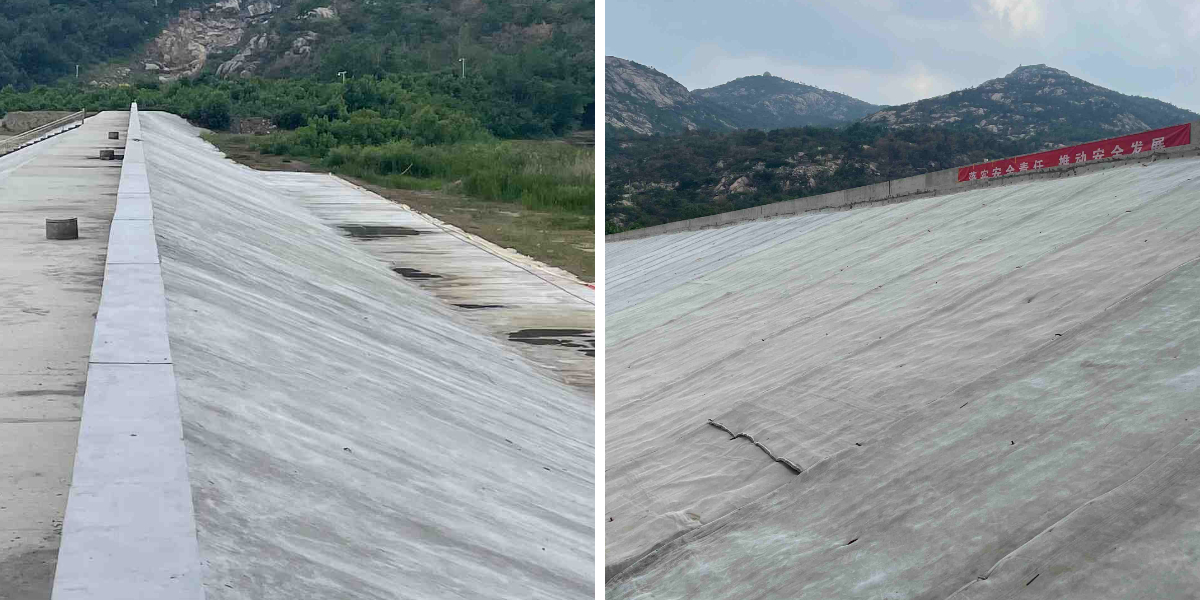
Construction cycle is closely linked to project operating costs. The longer the construction period, the higher the comprehensive expenses of site management, equipment occupancy and capital occupation. Cement blanket relies on its rapid forming performance to greatly compress the construction cycle and realize efficient cost control. Traditional concrete needs a long time for initial setting, hardening and later maintenance, which seriously restricts the progress of subsequent construction procedures.
Concrete impregnated fabric completes solidification and strength formation through rapid hydration reaction after watering, with a fast hardening speed and short maintenance cycle. The whole construction process of cement blanket is efficient and continuous, without waiting for long-term concrete curing. Choosing high-quality cement blankets for sale can effectively speed up the overall project progress, shorten the occupation cycle of construction sites and mechanical equipment, and reduce the comprehensive management costs generated during the construction period.
Shortening the construction cycle also enables the project to be put into use in advance, accelerating the capital recovery speed for project investors and indirectly improving the economic benefits of the project. For engineering projects with tight construction schedules, the time-saving advantage of cement blanket can avoid economic losses caused by project delay penalty and idle engineering resources.
5. Long-Term Maintenance Cost Reduction of Cement Blanket Engineering
A true low-cost project is not only reflected in the construction stage, but also in the long-term operation and maintenance stage. The stable physical and chemical properties of cement blanket ensure long-term engineering stability and reduce subsequent maintenance and renewal costs. The compact fiber composite structure of concrete impregnated fabric has excellent anti-corrosion, anti-aging and anti-scouring performance, and can adapt to various harsh outdoor and underground engineering environments.
Cement blanket will not crack, peel or loosen easily after long-term use, avoiding frequent repair and partial replacement problems of traditional concrete structures. Reliable cement blankets for sale have strong structural integrity, which can resist natural erosion such as rainwater scouring, temperature alternation and soil pressure, maintaining stable engineering protection effect for a long time.
The low failure rate of cement blanket engineering greatly reduces the frequency of later inspection, maintenance and repair work, saves a lot of long-term maintenance manpower and material costs, and realizes the whole life cycle cost reduction of the project.
Conclusion
In modern engineering construction cost control, cement blanket has become a cost-effective alternative to traditional concrete materials. The innovative design of concrete impregnated fabric brings comprehensive optimization in labor investment, transportation logistics and construction time. Choosing standardized cement blankets for sale can not only reduce the short-term construction budget of the project, but also cut down the long-term operation and maintenance costs. With the dual advantages of high construction efficiency and low comprehensive cost, cement blanket is gradually becoming the preferred material for various slope protection, water conservancy and municipal engineering projects, helping engineering practitioners maximize project economic benefits on the premise of ensuring engineering quality.