Geotextile Erosion Control
1. Anti erosion and soil stabilization: resist rainwater erosion and water flow erosion, fix soil particles, and prevent soil erosion
2. Ecological compatibility: It can fit vegetation growth, assist in ecological restoration, and balance protection and greening
3. Flexible adaptation: Suitable for complex terrains such as slopes and bank slopes, without any blind spots for protection
4. Long term weather resistance: UV resistant, acid and alkali resistant, not easily aged for outdoor use, low maintenance cost
Products Introduction:
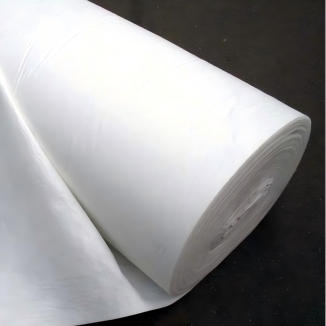
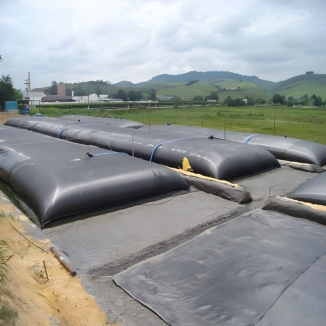
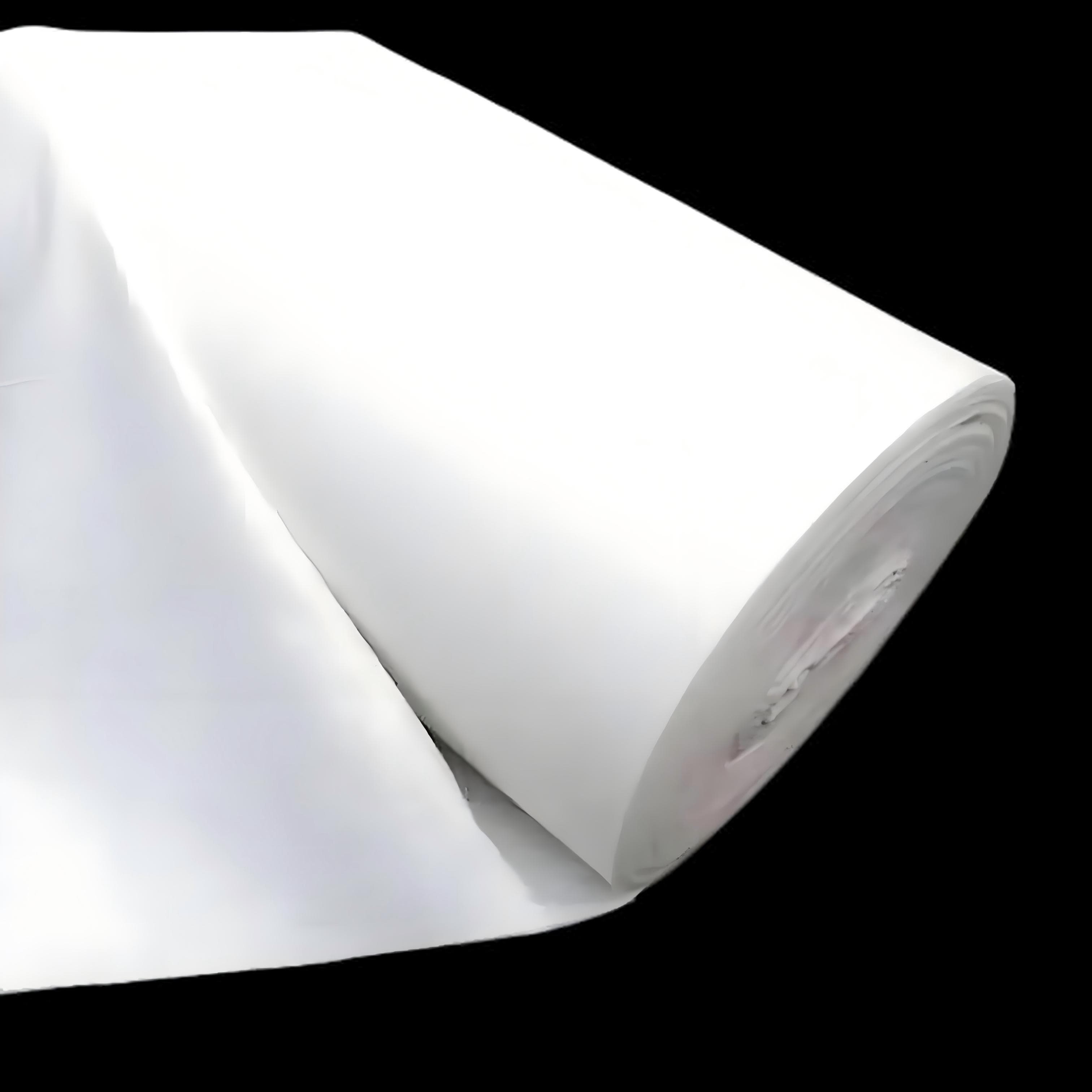
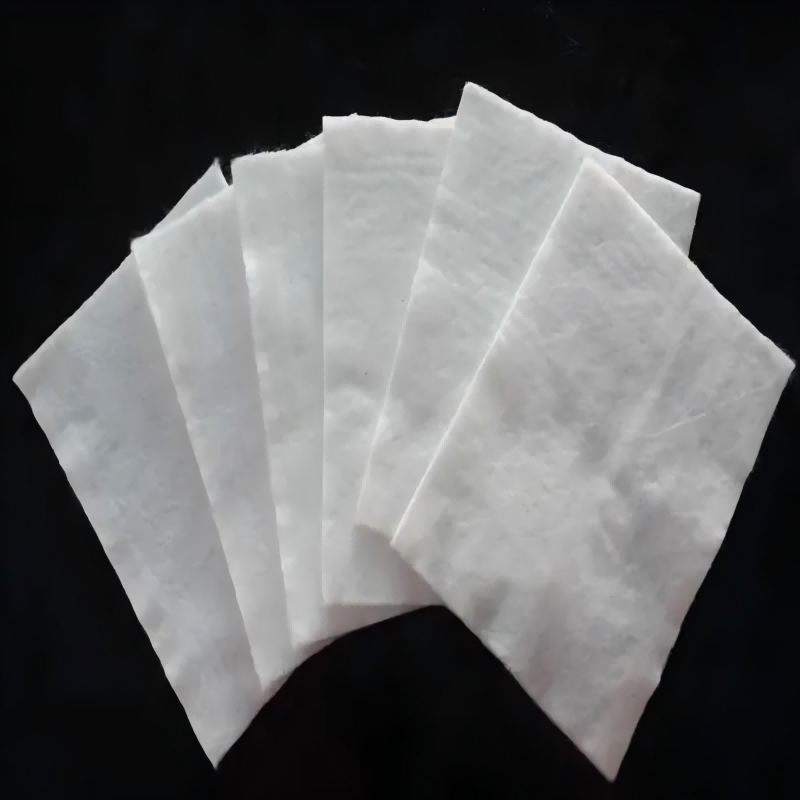
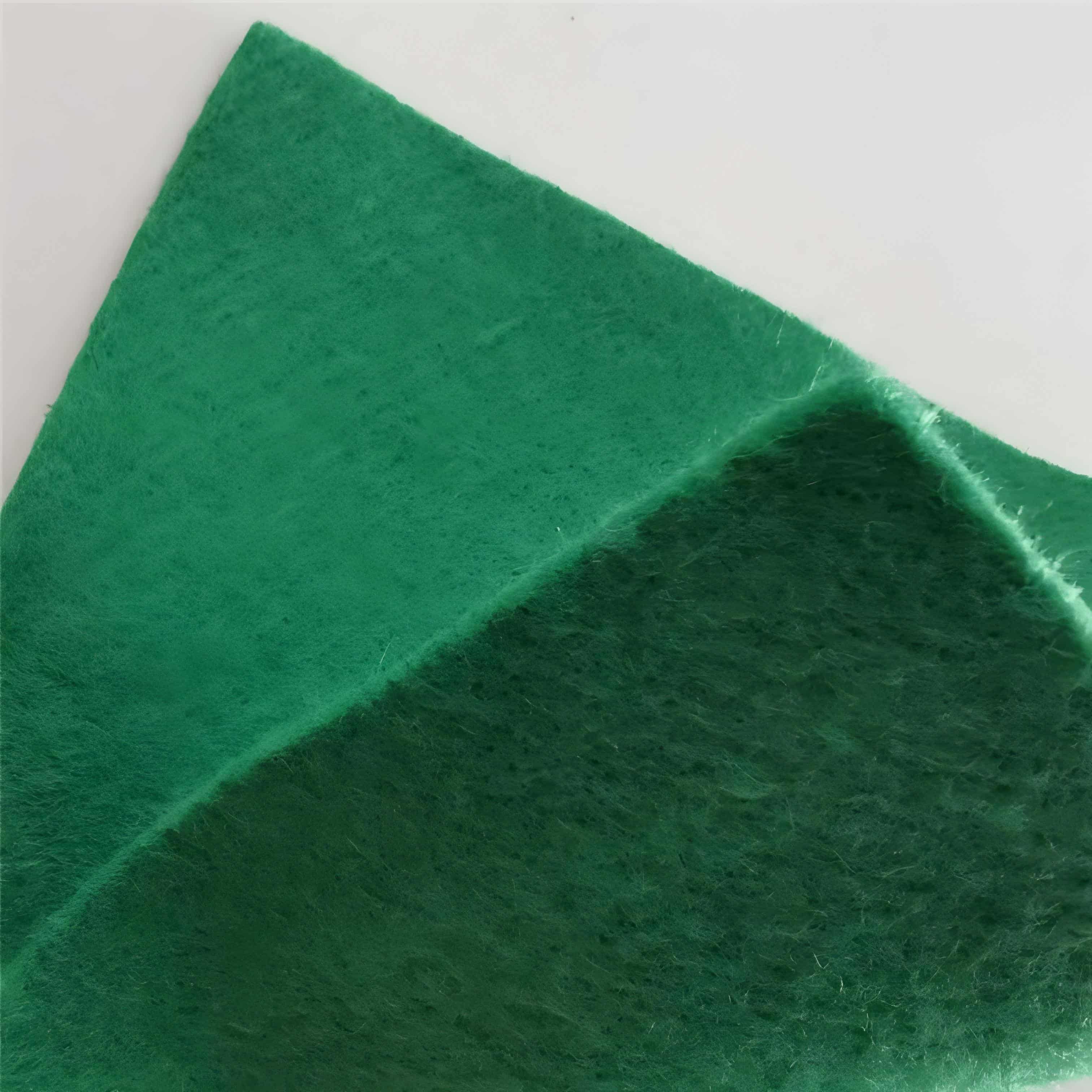
Geotextile Erosion Control is a functional geosynthetic material designed specifically to prevent soil erosion. It is made from polypropylene (PP) and polyester (PET) as core materials, and is produced through needle punched non-woven, woven or composite processes. Its core positioning is the "integrated barrier of ecological protection and erosion barrier". Through the triple functions of "physical interception, water flow diversion, and soil constraint", it resists rainwater erosion, water flow erosion, and wind erosion, solves problems such as "soil loss, slope collapse, and ecological damage" in scenarios such as slopes, bank slopes, and roadbeds, and is compatible with vegetation growth, providing a collaborative solution for engineering protection and ecological restoration.
Product Features:
1. Anti erosion soil consolidation, intercepting erosion sources
Adopting high-density fiber structure or composite reinforcement technology, with a surface friction coefficient of ≥ 0.5, it can effectively disperse rainwater impact force (withstand rainfall intensity up to 50mm/h) and constrain soil particle displacement; The longitudinal and transverse fracture strength is ≥ 15kN/m, and the tear resistance strength is ≥ 3kN. It can resist fabric damage caused by water flow erosion, prevent the migration and loss of loose soil and sandy soil particles, and reduce soil erosion by more than 80% in slope protection.
2. Ecological compatibility, assisting vegetation restoration
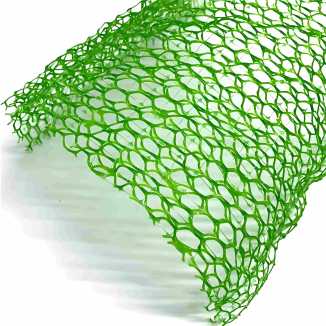
Needle punched non-woven or porous woven structures reserve vegetation growth space with a porosity of 60% -75%, allowing water and nutrient infiltration without hindering grass seed germination and root growth; Some products can be directly compounded with natural materials such as coconut fiber and straw to form an "geotextile+natural fiber" ecological blanket, which combines protection and greening functions, achieving synchronous "engineering protection ecological restoration" and adapting to ecologically sensitive erosion protection scenarios.
3. Flexible and snug fit, suitable for complex slopes
The product has a fracture elongation rate of 20% -45%, and can naturally fit curved slopes, steep slopes (slope ≤ 70 °), and irregular shorelines without any protective blind spots; Lightweight design (weight 100-400g/m ²) facilitates handling and cutting, even in narrow slopes in mountainous areas, curved bank slopes in rivers, and other construction space limited scenarios. It only requires manual installation and fixation, solving the pain points of rigid protective materials that are difficult to bend and prone to hollowing.
4. Weather resistant and corrosion-resistant, ensuring long-term protection
The raw materials have been treated with UV resistance, acid and alkali resistance, and biodegradation resistance, and can work stably in the extreme temperature range of -30 ℃ to 80 ℃. They are resistant to salt alkali soil, river water immersion, and outdoor strong sunlight aging; When buried or used on slopes, the service life can reach 5-15 years, during which there is no need for frequent replacement, greatly reducing maintenance costs in the later stage, and adapting to complex climate environments such as rainy, coastal, and high-altitude.
5. Efficient construction and controllable cost
Support roll laying, with a single roll length of 50-100m and a width of 2-6m, reducing the number of overlapping and splicing times, and achieving a manual laying efficiency of 600-1000 square meters per day; Without the need for large mechanical equipment, it can be fixed by simple methods such as nailing and overlapping. The material cost is reduced by 30% -50% compared to concrete slope protection, and the cost advantage of full cycle protection is significant, making it suitable for large-scale erosion protection projects.
Product Parameters:
project | metric | ||||||||||
Nominal strength/(kN/m) | |||||||||||
6 | 9 | 12 | 18 | 24 | 30 | 36 | 48 | 54 | |||
1 | Longitudinal and transverse tensile strength / (kN/m) ≥ | 6 | 9 | 12 | 18 | 24 | 30 | 36 | 48 | 54 | |
2 | Maximum elongation at maximum load in longitudinal and transverse directions/% | 30~80 | |||||||||
3 | CBR top penetration strength /kN ≥ | 0.9 | 1.6 | 1.9 | 2.9 | 3.9 | 5.3 | 6.4 | 7.9 | 8.5 | |
4 | Longitudinal and transverse tearing strength /kN | 0.15 | 0.22 | 0.29 | 0.43 | 0.57 | 0.71 | 0.83 | 1.1 | 1.25 | |
5 | Equivalent aperture O.90(O95)/mm | 0.05~0.30 | |||||||||
6 | Vertical permeability coefficient/(cm/s) | K× (10-¹~10-), where K=1.0~9.9 | |||||||||
7 | Width deviation rate /% ≥ | -0.5 | |||||||||
8 | Unit area mass deviation rate /% ≥ | -5 | |||||||||
9 | Thickness deviation rate /% ≥ | -10 | |||||||||
10 | Thickness coefficient of variation (CV)/% ≤ | 10 | |||||||||
11 | Dynamic perforation | Puncture hole diameter/mm ≤ | 37 | 33 | 27 | 20 | 17 | 14 | 11 | 9 | 7 |
12 | Longitudinal and transverse fracture strength (grab method)/kN ≥ | 0.3 | 0.5 | 0.7 | 1.1 | 1.4 | 1.9 | 2.4 | 3 | 3.5 | |
13 | Ultraviolet resistance (Xenon arc lamp method) | Longitudinal and transverse strength retention rate% ≥ | 70 | ||||||||
14 | Ultraviolet resistance (fluorescence UV lamp method) | Longitudinal and transverse strength retention rate% ≥ | 80 | ||||||||
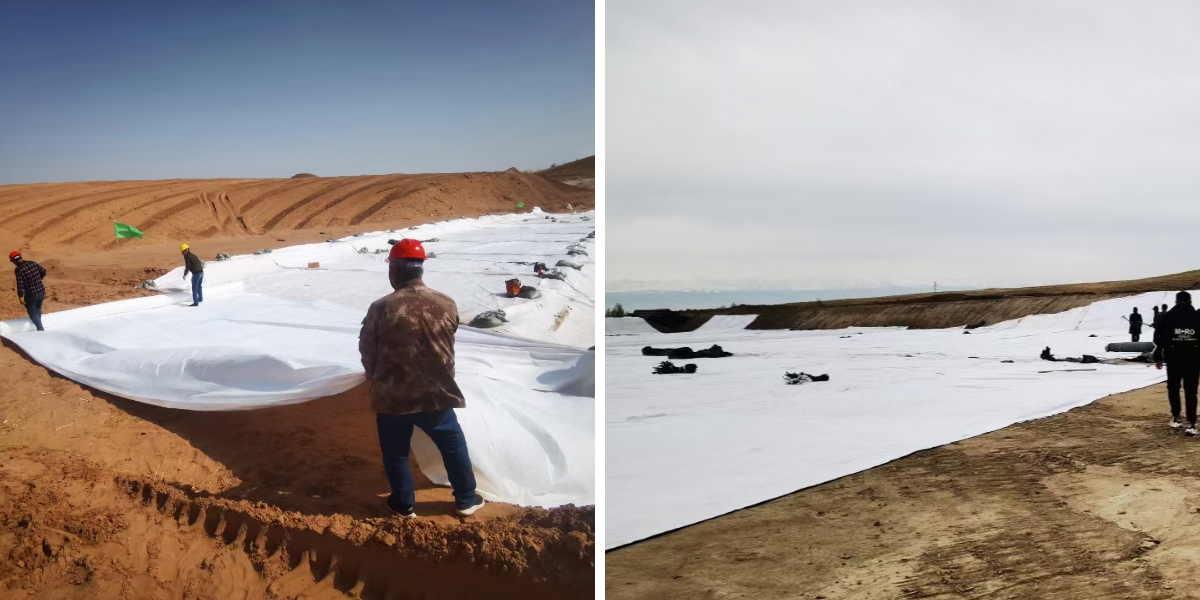
Product Applications:
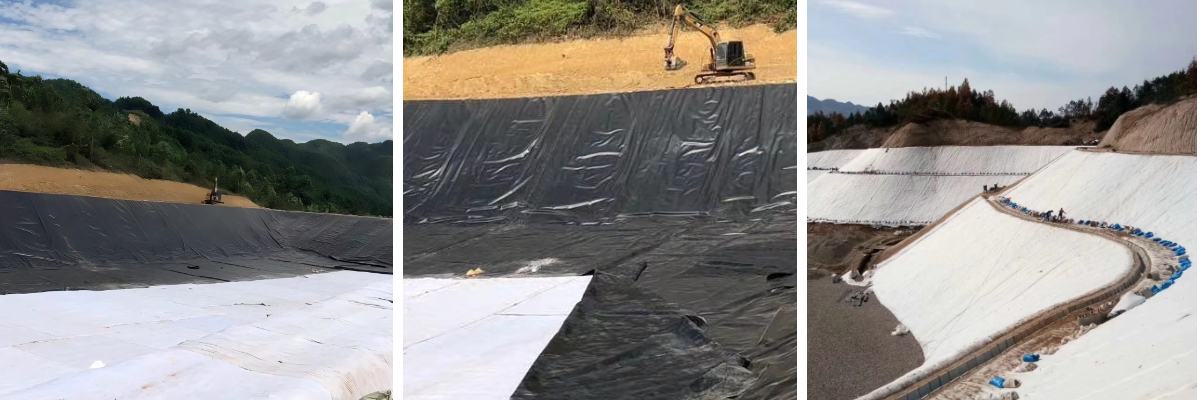
1. Slope protection of transportation roads
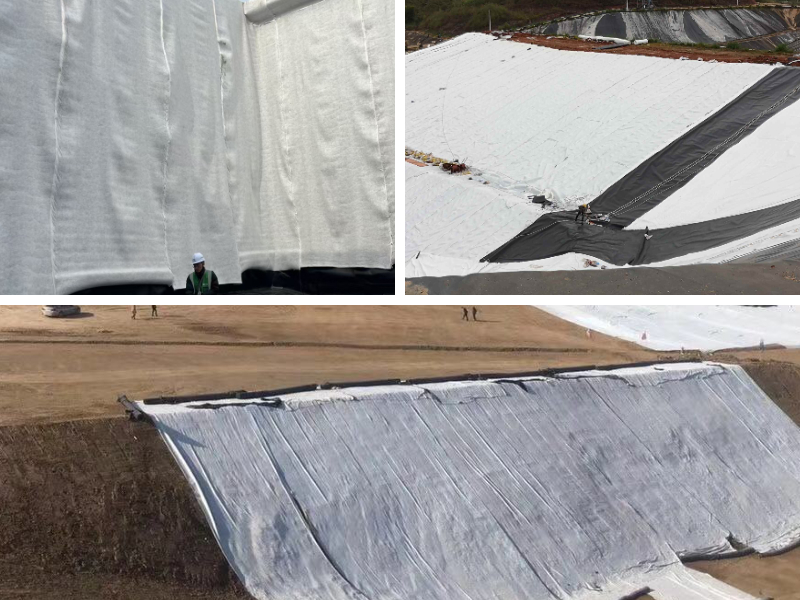
Highway/railway slope: laid on the surface of road slopes to resist soil erosion caused by rainwater erosion and vehicle vibration, combined with spray greening to form a "protection greening" composite layer to prevent slope collapse, suitable for slope protection along mountain roads and high-speed railways.
Roadbed Slope and Shoulder: Used for roadbed slope and shoulder edges to prevent rainwater from infiltrating and softening the roadbed, while also preventing soil erosion and erosion of the shoulder, avoiding pavement overturning and cracking, and suitable for roadbed protection of highways and rural roads.
2. Water conservancy and river bank slope protection
River/reservoir bank slope: laid on the upstream slope of rivers and reservoirs to resist bank slope collapse caused by water flow erosion and water level changes, protect the ecological environment of riverbanks, and adapt to urban river ecological management and small and medium-sized reservoir bank slope protection projects.
Drainage ditches and dams: used for the slopes of irrigation ditches and flood control dams in farmland, to prevent water flow from scouring and causing sedimentation in ditches and soil erosion in dams, improve the service life of water conservancy facilities, and adapt to farmland water conservancy renovation and flood control projects.
3. Mining and ecological restoration
Greening of Mine Waste Dump: Located on the slope of the mine waste dump, it fixes loose soil and provides a stable foundation for vegetation planting, accelerating the ecological restoration of the mine and adapting to the greening projects of metal and non-metal mines.
Quarry slope protection: used for exposed slopes in quarries to prevent weathering, peeling, and erosion caused by rainwater. Combined with ecological bags and spray greening, it achieves the dual goals of slope stability and ecological restoration.
4. Municipal and Landscape Greening
Municipal green belt slope: laid on urban road green belts and park landscape slopes to prevent soil erosion and road pollution caused by rainwater erosion, while also promoting vegetation growth in green belts and adapting to municipal greening projects.
Artificial terrain and fill area: used for surface protection of urban artificial terrain and building fill areas, preventing soil settlement and rainwater erosion, maintaining stable terrain morphology, and adapting to urban parks and scenic area artificial landscape projects.
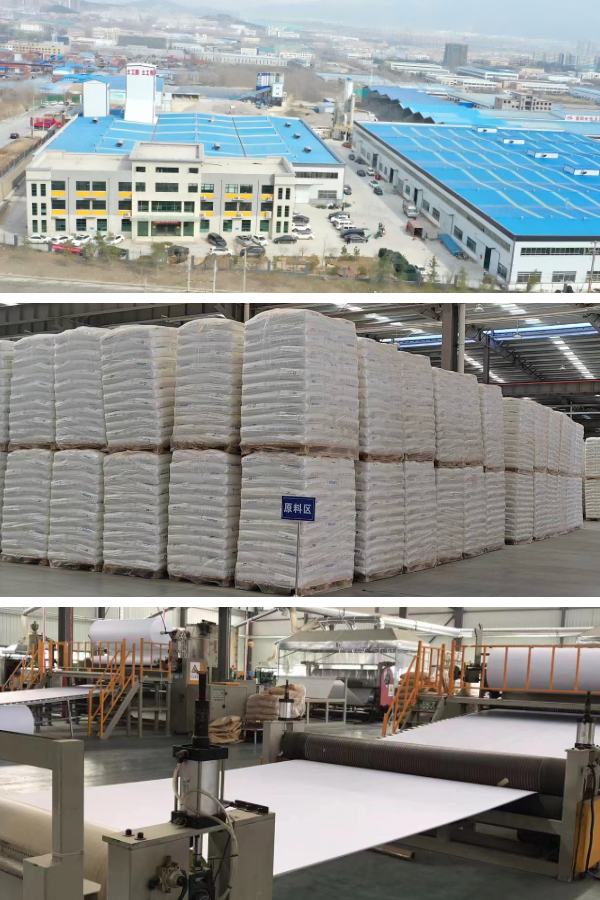
Geotextile Erosion Control, with its core advantages of "anti erosion and soil stabilization to prevent loss, ecological compatibility to promote restoration, flexibility to adapt to complex slopes, and long-term economic and easy maintenance", accurately solves the core pain points of "poor protection effect, large ecological damage, and high construction cost" in erosion protection engineering. It is an erosion control solution that combines engineering reliability and ecological friendliness.