HDPE Geocell in Agricultural Applications: Soil Stabilization for Farm Roads & Irrigation Canals
Boost Productivity, Reduce Costs & Protect Soil with Geocell Technology
Agriculture depends closely on practical infrastructure—farm roads for tools and crop transport, and irrigation canals for water distribution. Yet these essential belongings face continual challenges: soft, unstable soil leads to rutted, impassable roads; eroding canal banks waste water and degrade farmland; and popular repairs drain time and resources. Traditional solutions—like overusing gravel, concrete lining, or regularly occurring grading—are costly, short-lived, and unfavourable to soil health. Enter HDPE Geocell: a innovative, inexpensive geosynthetic fabric that transforms agricultural infrastructure via stabilizing soil, reinforcing surfaces, and stopping erosion. For farmers, agronomists, and agricultural undertaking managers, HDPE Geocell has come to be an integral device for constructing durable, low-maintenance farm roads and irrigation canals. This article explores the key benefits, applications, set up high-quality practices, and price financial savings of HDPE Geocell in agriculture—proving why it’s the future of soil stabilization for farming operations.
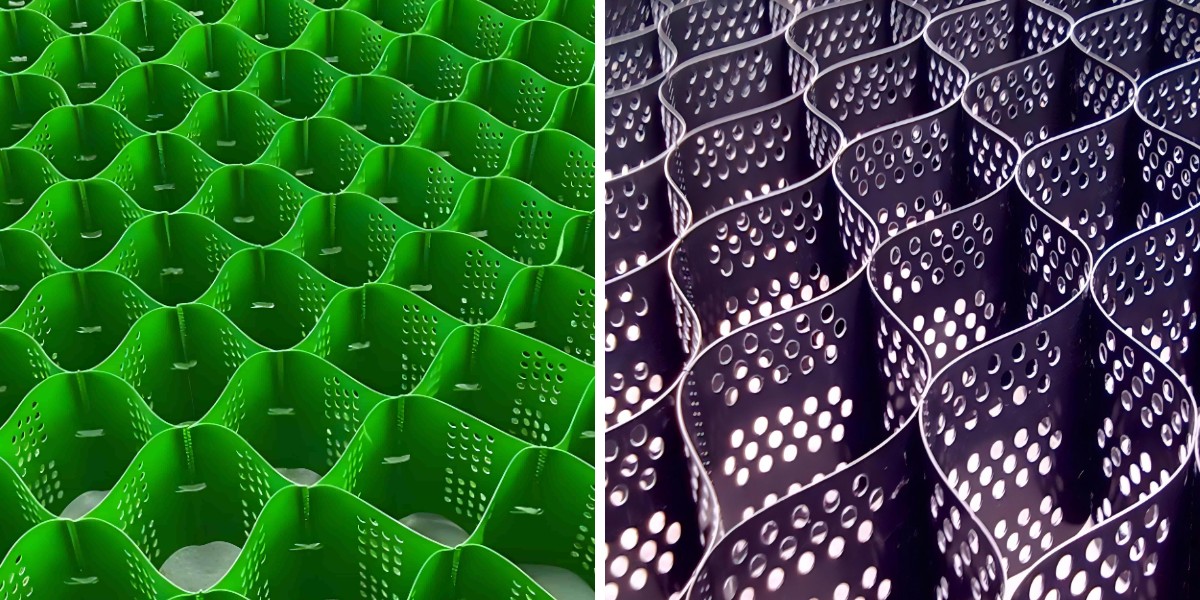
1. The Agricultural Infrastructure Challenge: Why Traditional Methods Fail
Soil Instability, Erosion, and Costly Repairs
Farm roads and irrigation canals function in harsh agricultural environments: heavy equipment (tractors, harvesters) compacts soil, seasonal rains flip unpaved roads into mud pits, and flowing water erodes canal banks—all main to ordinary downtime and high priced repairs. Traditional farm avenue solutions, such as gravel-only surfaces, shortly deteriorate as soil migrates into mixture layers, lowering load-bearing potential and requiring regular regrading. Irrigation canals lined with concrete are rigid, inclined to cracking in moving soil, and pricey to installation and repair—while unlined canals lose up to 60% of water to seepage and erosion. These techniques now not solely drain budgets however additionally damage soil health: over-compaction reduces fertility, and concrete liners disrupt herbal water-soil interaction. Farmers want a answer that balances durability, flexibility, and soil compatibility—something HDPE Geocell delivers. The third-dimensional grid shape of Geocell locks aggregate, sand, or soil in place, stopping migration and stabilizing smooth subgrades, whilst its flexibility adapts to soil motion besides cracking. Unlike concrete or immoderate gravel, HDPE Geocell preserves soil shape and reduces environmental impact, addressing the root motives of agricultural infrastructure failure.
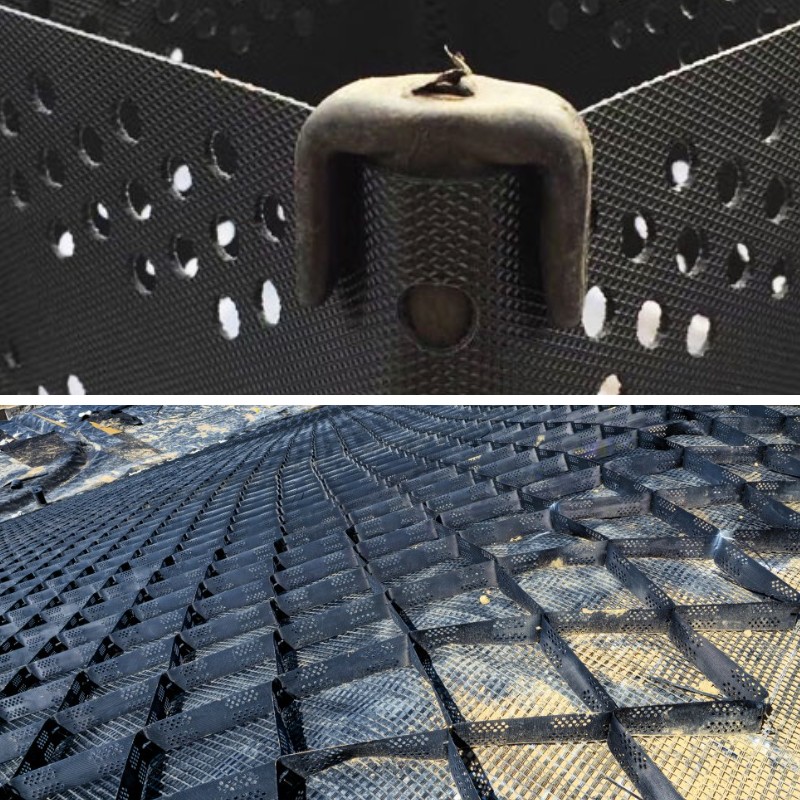
2. HDPE Geocell for Farm Roads: Stable, All-Weather Access
Supporting Heavy Machinery & Reducing Downtime
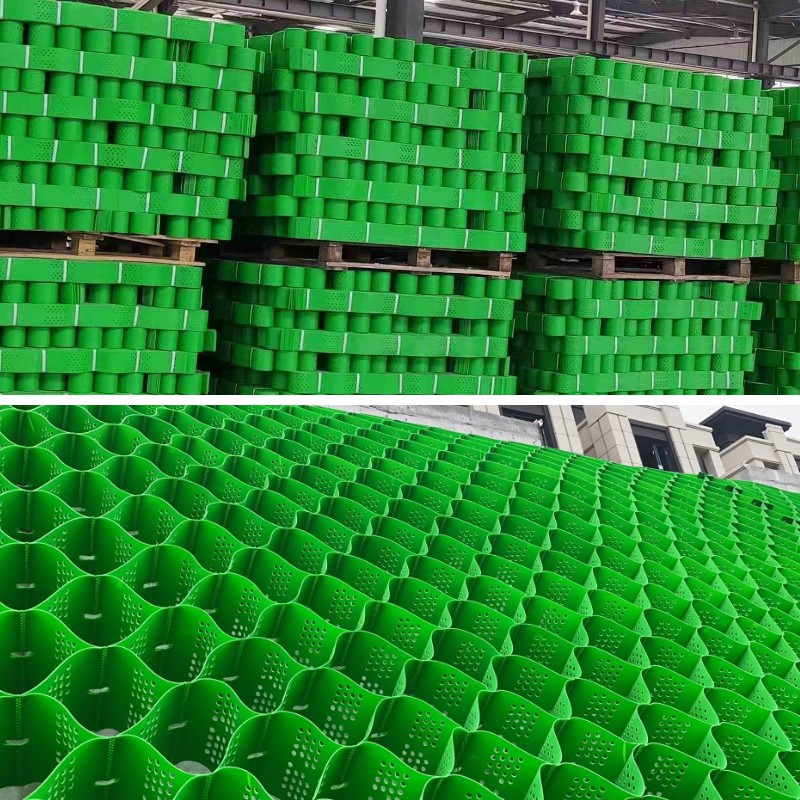
Farm roads demand reliability—even in wet, muddy conditions— to make sure well timed planting, harvesting, and transport. HDPE Geocell revolutionizes farm avenue development by means of growing a reinforced, load-bearing floor that withstands heavy tools and resists erosion. The Geocell’s honeycomb-like grid is multiplied and anchored to the subgrade, then stuffed with gravel, beaten stone, or even neighborhood soil combined with aggregate. This shape distributes the weight of tractors, combines, and vans evenly throughout the road, stopping rutting and compaction of the underlying soil. Unlike gravel-only roads, which require annual regrading, HDPE Geocell-stabilized roads hold their structure for 10–15 years, even in high-traffic areas. For moist or clay-rich soils (common in many agricultural regions), HDPE Geocell acts as a barrier, stopping waterlogging and maintaining roads satisfactory year-round. It additionally reduces gravel utilization through 30–50% in contrast to typical roads, reducing cloth and transport costs—critical for massive farming operations. Whether building new farm roads or rehabilitating present ones, HDPE Geocell provides all-weather access, reduces downtime, and extends street lifespan, immediately boosting agricultural productivity.
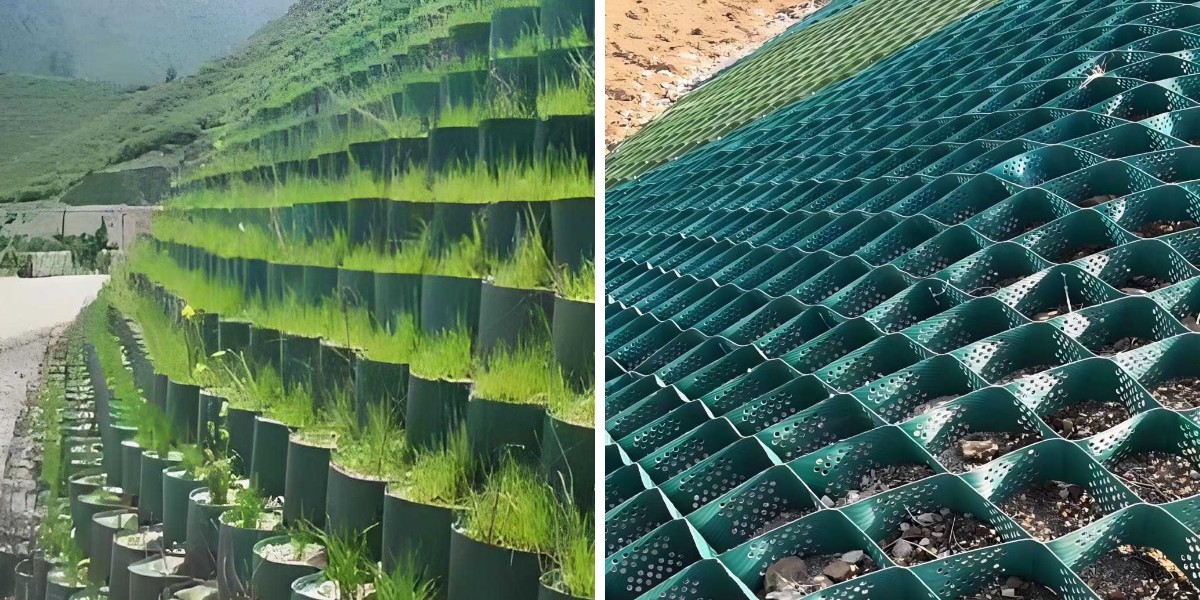
3. HDPE Geocell for Irrigation Canals: Water Conservation & Erosion Control
Minimizing Seepage and Protecting Canal Banks
Irrigation canals are lifelines for crop production, however seepage and erosion waste water and degrade precious farmland. HDPE Geocell addresses each problems through growing a stable, semi-permeable barrier that reduces seepage loss to much less than 5% whilst stopping financial institution erosion. When hooked up alongside canal banks, the accelerated Geocell grid is crammed with soil and vegetation (or gravel) to create a bolstered slope that resists water glide and wave action. The Geocell’s shape holds soil particles in place, stopping gullying and financial institution collapse, whilst its permeability permits groundwater to drain—reducing hydrostatic stress that reasons erosion. For canal bottoms, HDPE Geocell can be paired with a skinny Geomembrane (for most seepage control) or used on my own to stabilize the base, stopping sediment buildup and lowering maintenance. Unlike concrete liners, which crack and require high-priced repairs, HDPE Geocell adapts to soil contract and temperature changes, keeping its integrity for decades. By lowering water waste and erosion, HDPE Geocell no longer solely cuts irrigation expenses however additionally conserves water—a essential useful resource for sustainable agriculture, mainly in drought-prone regions.
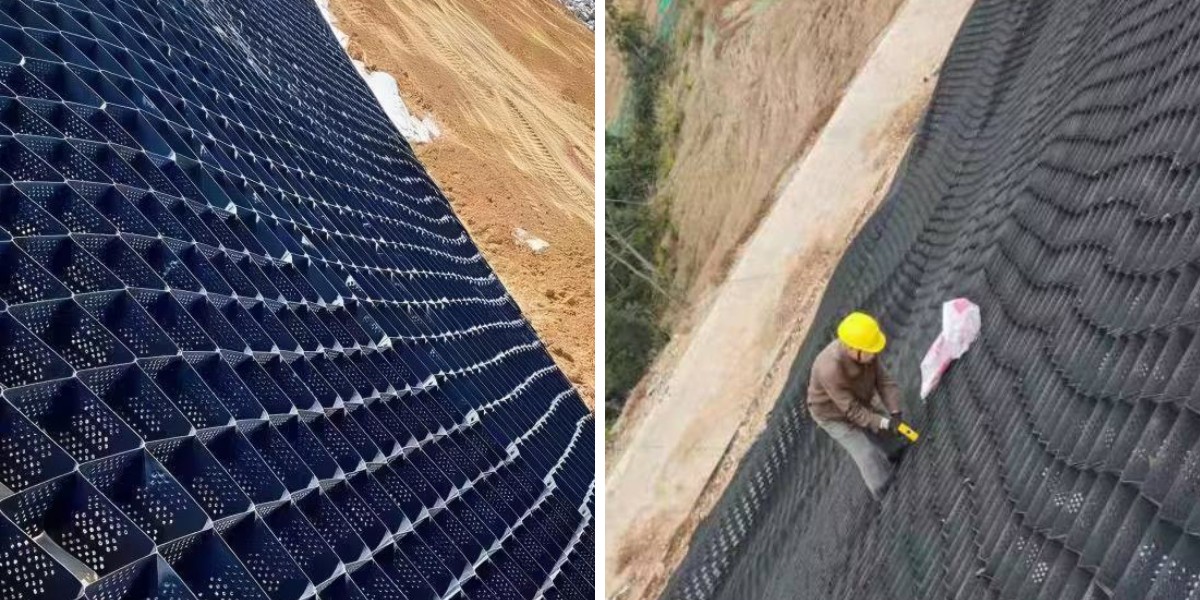
4. Installation & Selection Best Practices for Agricultural HDPE Geocell
Ensuring Long-Term Performance & Cost Efficiency
Proper choice and set up are key to maximizing HDPE Geocell’s advantages in agricultural applications—simple, low-tech set up makes it available to farmers and small mission teams. When choosing HDPE Geocell for farm roads, prioritize thickness (2–4 cm) and telephone dimension (100–200 mm) primarily based on gear weight: heavier equipment requires thicker Geocell and smaller mobile sizes for most load distribution. For irrigation canals, select UV-stabilized HDPE Geocell (resistant to prolonged solar exposure) with a large cellphone dimension (200–300 mm) to help vegetation increase on banks. Installation steps are straightforward: 1) Prepare the web site by means of clearing debris, leveling the subgrade, and compacting soil to 90% density (for roads) or shaping slopes to a steady gradient (1:2 for canals). 2) Expand the HDPE Geocell grid and anchor it to the subgrade the usage of stakes or soil nails (spaced 1–2 meters apart) to stop shifting. 3) Fill the cells with aggregate, soil, or a soil-aggregate mix, making sure full compaction to lock the cloth in place. 4) For roads, add a skinny pinnacle layer of gravel for traction; for canals, seed the crammed Geocell with native grasses to beautify erosion control. Common errors to avoid: inadequate subgrade compaction, under-filling cells, or the use of low-quality, non-UV-stabilized Geocell—all of which decrease lifespan and performance.
5. Cost Savings & Sustainable Benefits of HDPE Geocell in Agriculture
Long-Term Value for Farmers & the Environment
HDPE Geocell provides compelling value and sustainability advantages that align with cutting-edge agricultural goals. From a monetary perspective, it reduces upfront expenses via slicing gravel and concrete usage, and lowers long-term prices through minimizing repairs, regrading, and water waste. A 1km HDPE Geocell-stabilized farm avenue expenses 20–40% much less to construct and hold over 10 years than a ordinary gravel road. For irrigation canals, water financial savings by myself can recoup the funding in 2–3 developing seasons. Environmentally, HDPE Geocell promotes sustainable agriculture with the aid of retaining soil shape (reducing compaction and erosion), conserving water, and minimizing combination extraction (a resource-intensive process). Unlike concrete, HDPE Geocell is recyclable and non-toxic, making sure no detrimental chemical substances leach into soil or waterways. It additionally helps regenerative farming practices through permitting vegetation boom on canal banks, which improves soil fitness and offers habitat for really helpful insects. For farmers searching for to minimize costs, improve productivity, and undertake sustainable practices, HDPE Geocell is a high-ROI funding that provides cost for years.
Conclusion: HDPE Geocell Transforms Agricultural Infrastructure
Farm roads and irrigation canals are the spine of productive agriculture—yet common techniques fail to tackle soil instability, erosion, and value concerns. HDPE Geocell affords a higher solution: a durable, flexible, and eco-friendly cloth that stabilizes soil, reduces water waste, and cuts long-term costs. Whether you’re constructing all-weather farm roads or environment friendly irrigation canals, HDPE Geocell gives you dependable overall performance that helps agricultural productiveness and sustainability.
By deciding on HDPE Geocell, farmers and agricultural task managers can dispose of downtime from impassable roads, limit water waste from eroding canals, and guard soil health—all whilst saving money. Partner with a relied on provider to pick out the proper HDPE Geocell specs for your project, and leverage its easy set up to limit disruption to farming operations.
Ready to improve your agricultural infrastructure with HDPE Geocell? Explore our vary of farm-specific Geocell products, or contact our group for customized recommendations. Invest in HDPE Geocell today—and construct a greater resilient, productive farm for the future.
Contact Us
Company Name: Shandong Chuangwei New Materials Co., LTD
Contact Person :Jaden Sylvan
Contact Number :+86 19305485668
WhatsApp:+86 19305485668
Enterprise Email: cggeosynthetics@gmail.com
Enterprise Address: Entrepreneurship Park, Dayue District, Tai 'an City,
Shandong Province