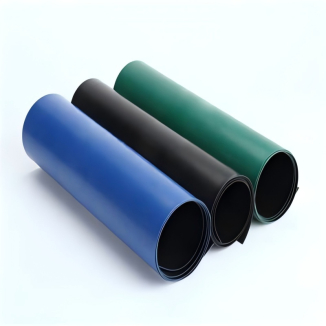
Geomat Installation Best Practices: Avoiding Common Mistakes on Construction Sites
Proper geomat set up is the basis of nice erosion control, whether or not for coastal shorelines, inland slopes, or development sites. Geomat erosion manage structures be counted on specific set up to dissipate water or wave energy, keep soil, and aid long-term stability—but frequent on-site errors can undermine their performance, main to high-priced rework, challenge delays, and environmental risks. When integrating geomats with complementary options like Three-dimensional Vegetation Net and revetment mesh, set up precision turns into even greater critical. This article outlines imperative geomat set up high-quality practices, highlights frequent pitfalls to avoid, and explains how to align geomats with Three-dimensional Vegetation Net and revetment mesh for a robust, long lasting erosion manipulate system.
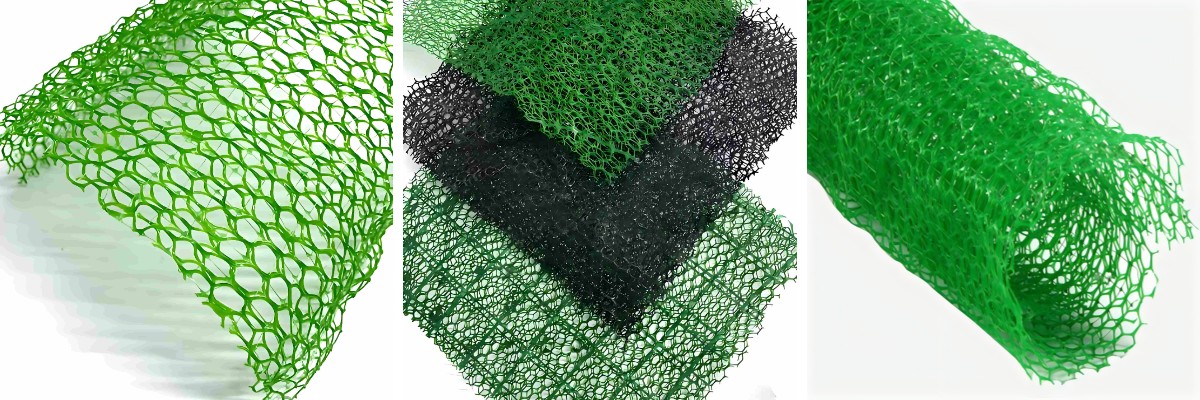
Why Proper Geomat Installation Matters for Erosion Control
Geomats are designed to shield websites from erosion, however their effectiveness relies upon absolutely on how they are installed. A poorly set up geomat can't supply dependable geomat erosion control, leaving slopes, shorelines, or development web sites inclined to soil loss, water damage, and structural instability. When paired with Three-dimensional Vegetation Net (for soil reinforcement and vegetation support) or revetment mesh (for structural strength), fallacious set up can render the complete device useless. For example, gaps between geomats or misaligned revetment mesh can create pathways for water to erode soil, whilst incorrectly positioned Three-dimensional Vegetation Net might also fail to help plant growth. Proper set up ensures geomats, Three-dimensional Vegetation Net, and revetment mesh work in harmony, maximizing erosion manage and minimizing long-term maintenance.
Pre-Installation Preparation: The Key to Avoiding Early Mistakes
Many set up mistakes stem from insufficient pre-installation preparation—an often-overlooked step that units the stage for success. Start through reviewing the project’s erosion manage dreams and confirming compatibility between the geomat, Three-dimensional Vegetation Net, and revetment mesh (if used). Clear the set up place of sharp rocks, debris, and vegetation that ought to puncture or tear the geomat, as even small injury can compromise geomat erosion control. Level uneven surfaces to make certain uniform contact between the geomat and the soil, which is essential for soil retention and strength dissipation. Additionally, affirm that all substances are saved good (protected from UV publicity and damage) to hold their sturdiness earlier than installation. Proper training eliminates avoidable on-site errors and ensures a clean set up process.
Best Practice 1: Handle Geomats with Care to Prevent Damage
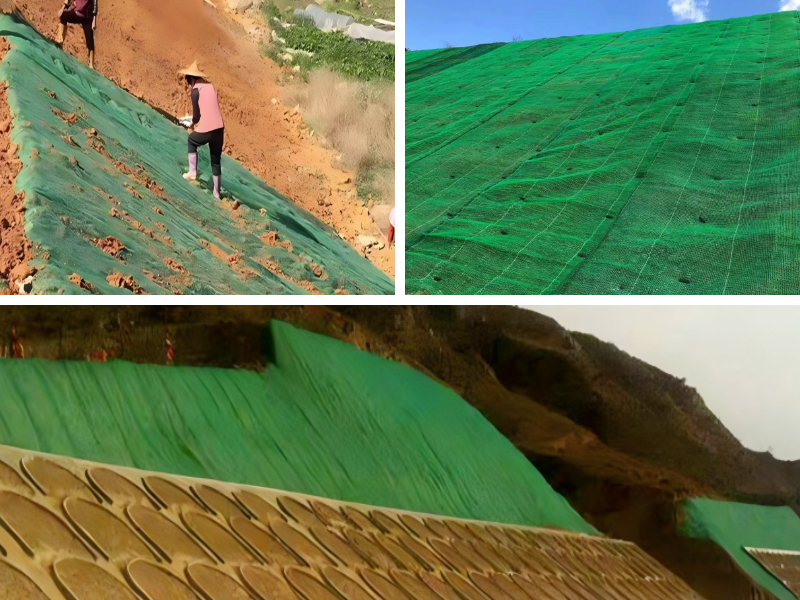
Geomats are long lasting however prone to injury at some point of handling, a frequent mistake that weakens geomat erosion control. Avoid dragging geomats throughout difficult surfaces, sharp edges, or development equipment—this can create tears or punctures that permit water to seep thru and erode soil. When transporting or unrolling geomats, use mild actions and keep away from overstretching, which can wreck the mat’s fiber structure. This care additionally applies to Three-dimensional Vegetation Net and revetment mesh: broken vegetation internet can't help root growth, whilst torn revetment mesh fails to give a boost to the geomat. Use clean, sharp equipment when reducing geomats to size, and keep away from leaving reduce edges uncovered to harsh weather, which can purpose fraying.
Best Practice 2: Ensure Proper Placement and Alignment
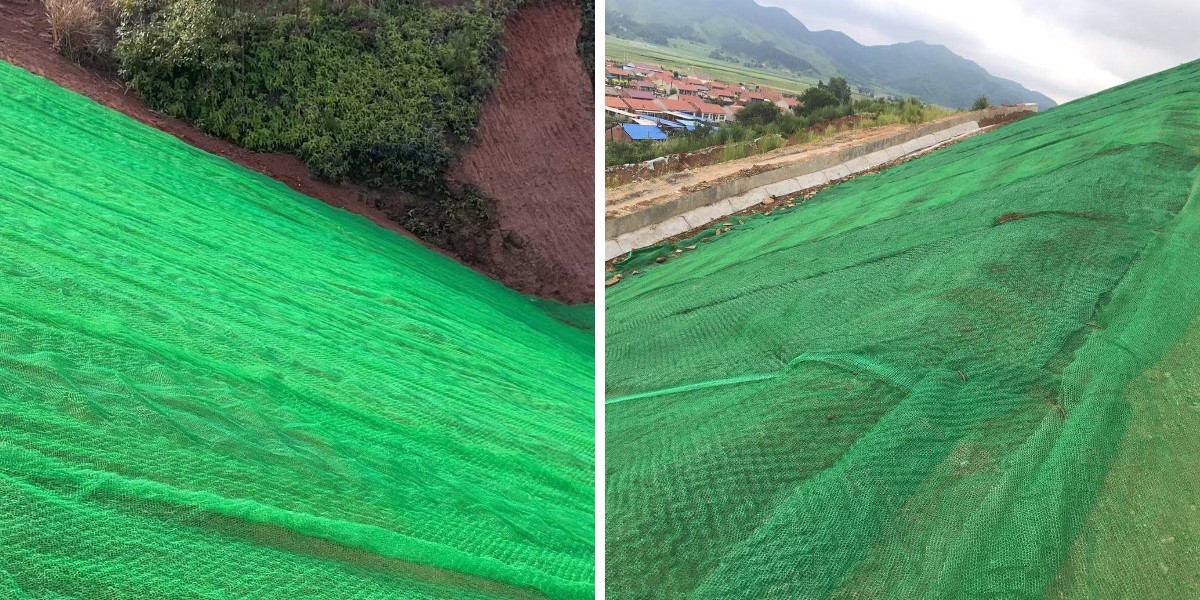
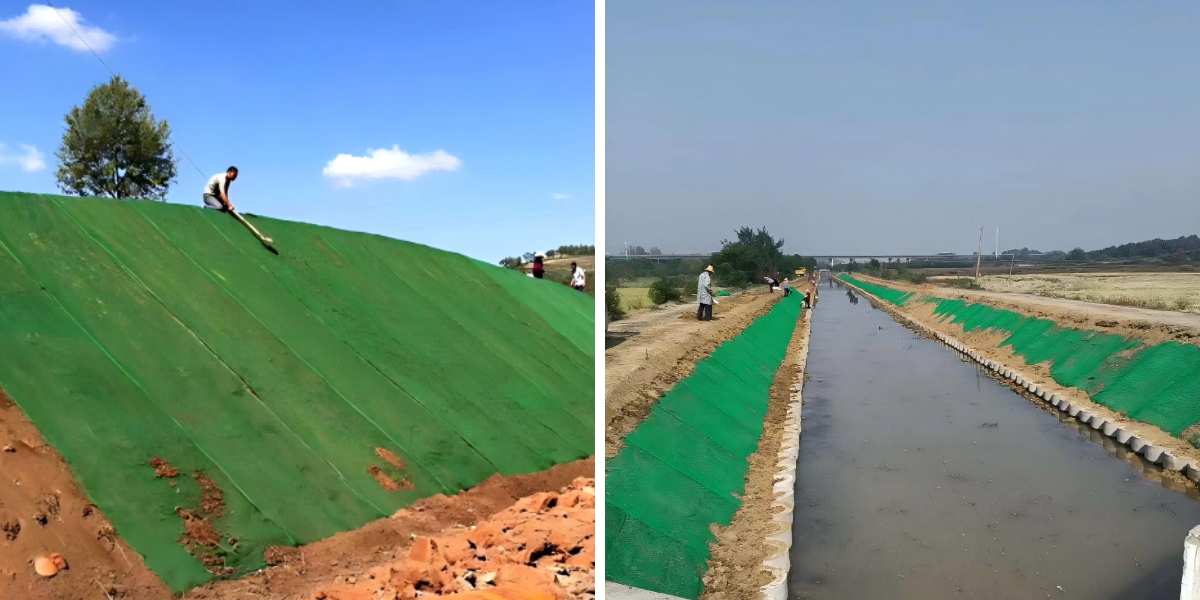
Incorrect placement and alignment are amongst the most steeply-priced geomat set up mistakes. Geomats need to be positioned flush in opposition to the soil, with no gaps, wrinkles, or air pockets—these inconsistencies create susceptible factors the place erosion can start. For sloped sites, set up geomats parallel to the slope contour to maximize soil retention and wave power dissipation, a key thing of positive geomat erosion control. When integrating Three-dimensional Vegetation Net, location it without delay under or on pinnacle of the geomat (per producer guidelines) to make sure it helps root increase and reinforces soil structure. Revetment mesh, if used, have to be aligned to overlap with the geomat, growing a non-stop barrier towards soil displacement. Avoid putting geomats too excessive or too low on seashores or slopes, as this can minimize their capacity to dissipate water or wave energy.
Best Practice 3: Secure Seams and Overlaps Correctly
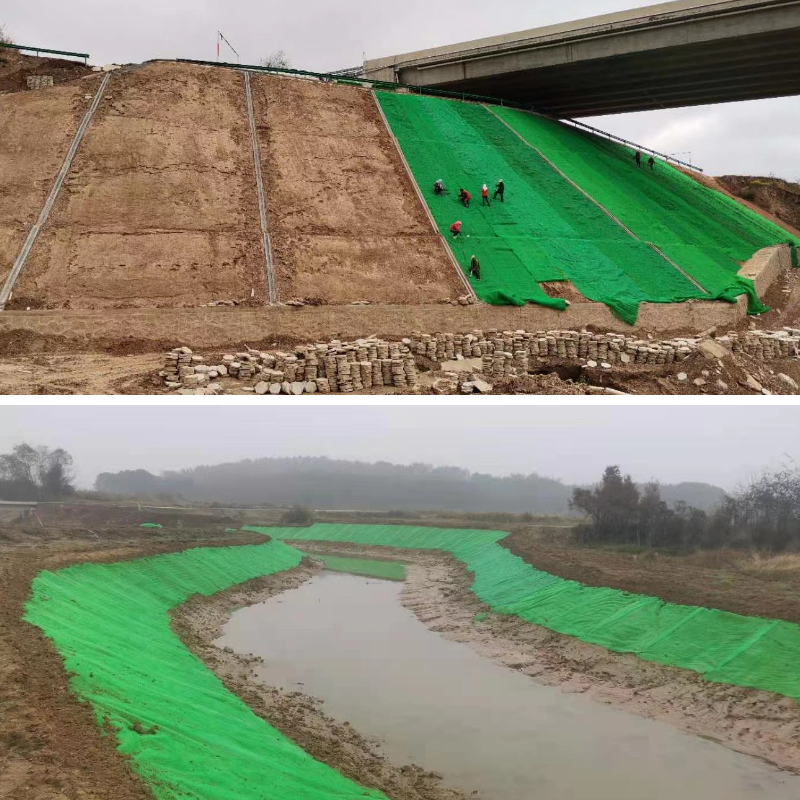
Seams and overlaps are the most prone factors in any geomat erosion manipulate system, and unsuitable managing leads to leaks and erosion. When connecting a couple of geomat sheets, make sure enough overlap (as endorsed by using the manufacturer) to forestall gaps the place water or soil can ignore through. Use well suited seaming methods—such as stitching, bonding, or anchoring—to create a tight, non-stop seal. For tasks the use of Three-dimensional Vegetation Net, prolong the net’s seams to align with the geomat’s overlaps, making sure uniform reinforcement. Revetment mesh ought to be secured to the geomat at overlap points, the usage of anchors or stakes to stop shifting. Regularly check out seams at some stage in set up to trap gaps or susceptible points, as these small troubles can improve into primary erosion issues over time.
Best Practice 4: Integrate Three-Dimensional Vegetation Net and Revetment Mesh Properly
Geomats are most fine when built-in with Three-dimensional Vegetation Net and revetment mesh, however flawed integration is a frequent mistake. Three-dimensional Vegetation Net must be hooked up to work in tandem with the geomat: location it underneath the geomat to toughen soil structure, or on pinnacle to assist vegetation growth, which in addition stabilizes the site. This aggregate enhances geomat erosion manage via trapping soil and permitting roots to bind the ground. Revetment mesh, used for structural reinforcement, need to be positioned under the geomat in high-energy areas (e.g., coastal shorelines) to take in wave stress and stop geomat movement. Ensure the mesh is secured tightly to the soil, with no free areas that should injury the geomat. Avoid putting in these elements in isolation—their synergy is key to a long lasting erosion manipulate system.
Best Practice 5: Anchor Geomats Securely to Prevent Shifting
Unsecured geomats are inclined to shifting, specially in high-wind, high-water, or steep-slope environments—undermining geomat erosion control. Use heavy-duty anchors, stakes, or pins to impenetrable the geomat to the soil, putting them at normal intervals alongside the edges and seams. For coastal initiatives or areas with sturdy wave action, pair geomats with revetment mesh and extra anchoring to make sure stability. Three-dimensional Vegetation Net have to additionally be anchored to forestall movement, as moving netting can tear the geomat or fail to aid vegetation. Avoid the usage of vulnerable or incompatible anchors, which can pull unfastened over time and permit the geomat to shift. Proper anchoring ensures the geomat stays in place, turning in regular erosion control.
Common Installation Mistakes to Avoid
Even with pleasant practices, frequent errors can derail geomat installation. Avoid these pitfalls:
Skipping website online preparation: Leaving particles or uneven surfaces that injury the geomat.
Poor seam/overlap technique: Creating gaps that permit erosion.
Mishandling materials: Tearing geomats, Three-dimensional Vegetation Net, or revetment mesh all through installation.
Incorrect integration: Installing complementary aspects in isolation or misalignment.
Inadequate anchoring: Allowing geomats to shift in harsh conditions.
Ignoring producer guidelines: Using flawed set up strategies for the precise geomat type.
Post-Installation Inspection and Maintenance
Post-installation inspection is crucial to catching errors early and making sure long-term geomat erosion control. Inspect the geomat for tears, gaps, or shifting, and restore any problems straight away the usage of like minded patch materials. Check that Three-dimensional Vegetation Net is true aligned and anchored, and affirm that revetment mesh is impenetrable and now not negative the geomat. Monitor the website online typically for signs and symptoms of erosion, such as soil loss or water pooling, and tackle any upkeep wants promptly. For vegetation-supported systems, make sure flowers are setting up properly, as healthful vegetation enhances the geomat’s erosion manage capabilities. Post-installation vigilance prevents small blunders from turning into pricey problems.
Conclusion: Install Geomats Confidently with Best Practices
Proper geomat set up is necessary for fine erosion control, and following these great practices ensures your machine supplies reliable, long-lasting results. By getting ready the web site thoroughly, coping with substances with care, making sure acceptable placement and seaming, integrating Three-dimensional Vegetation Net and revetment mesh correctly, and securing geomats tightly, you keep away from frequent errors and maximize performance. Geomat erosion manage depends on precision and interest to detail, and these recommendations empower contractors, engineers, and task managers to set up geomats with confidence. Whether working on a small slope or a massive coastal project, appropriate set up ensures geomats guard the site, hold ecosystems, and decrease long-term renovation costs
Contact Us
Company Name: Shandong Chuangwei New Materials Co., LTD
Contact Person :Jaden Sylvan
Contact Number :+86 19305485668
WhatsApp:+86 19305485668
Enterprise Email: cggeosynthetics@gmail.com
Enterprise Address: Entrepreneurship Park, Dayue District, Tai 'an City,
Shandong Province