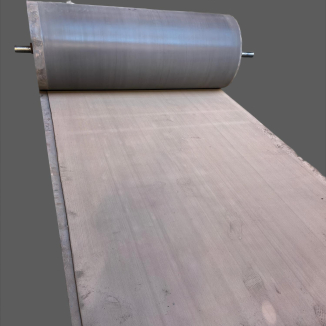
Erosion Control with Geotextiles: Solutions for Slopes, Shorelines, and Ditches
Introduction: The Silent Crisis of Soil Erosion
Soil erosion is a pervasive and costly environmental challenge, silently washing away fertile land, undermining infrastructure, and polluting waterways. From unstable hillsides and crumbling shorelines to clogged drainage ditches, the consequences are both ecologically and economically devastating. Fortunately, modern geotechnical engineering offers powerful, sustainable solutions. Among these, geotextiles—engineered fabric materials—have become a cornerstone for effective erosion and sediment control. This article explores the critical non woven geotextile uses in stabilizing vulnerable areas, focusing on practical applications for slopes, shorelines, and ditches. We will delve into how materials like a non woven filter cloth function and why a subsurface drainage geotextile is often the unsung hero in long-term stability.
How Geotextiles Work: Separation, Filtration, and Reinforcement
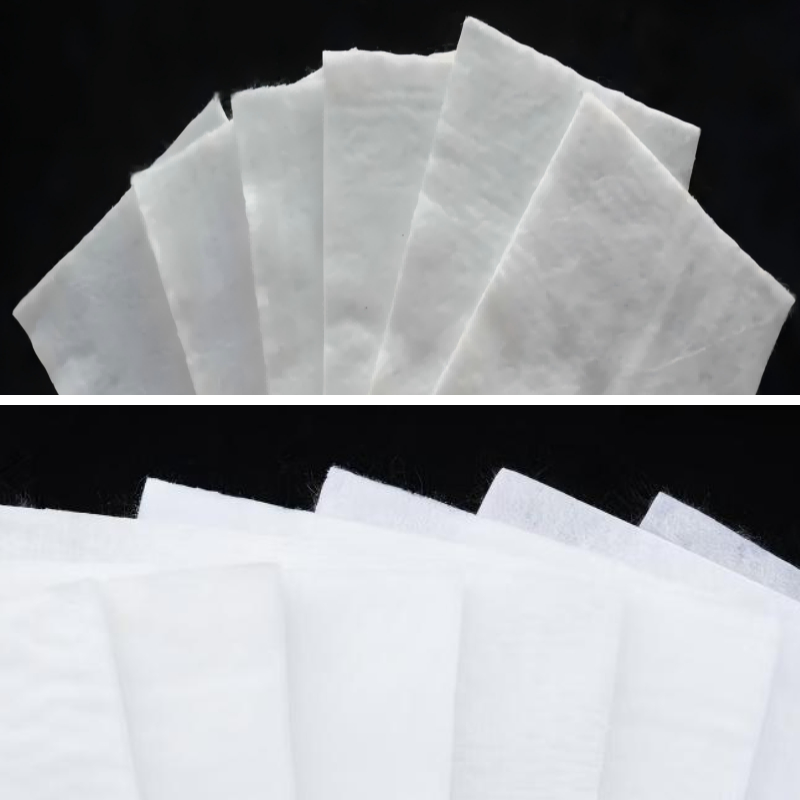
Geotextiles are permeable synthetic fabrics designed to perform specific mechanical and hydraulic functions when incorporated into soil. For erosion control, three primary functions are key: separation, filtration, and reinforcement.
Separation involves placing a geotextile between two dissimilar soil layers (e.g., soft subsoil and clean gravel) to prevent them from intermixing. This maintains the integrity and drainage capacity of the upper layer. A common non woven geotextile uses this principle beneath riprap on slopes or shorelines, preventing the stone from sinking into the soft soil below.
Filtration is perhaps the most critical function for erosion control. A geotextile allows water to pass through while preventing the uncontrolled migration of fine soil particles. This relieves pore water pressure that can cause slope failure and prevents soil loss from wave action or surface runoff. A non woven filter cloth is exceptionally effective in this role due to its tortuous pore structure, which retains soil while permitting water flow.
Reinforcement adds tensile strength to the soil system. Certain geotextiles, when buried in layers, can distribute loads and increase the overall stability of a soil mass, effectively "reinforcing" steep slopes or embankments. While woven geotextiles often handle high-strength reinforcement, non woven geotextile uses also contribute to stabilization by confining soil and facilitating drainage, which in itself strengthens the soil matrix.
Stabilizing Slopes: Preventing Landslides and Surface Wash
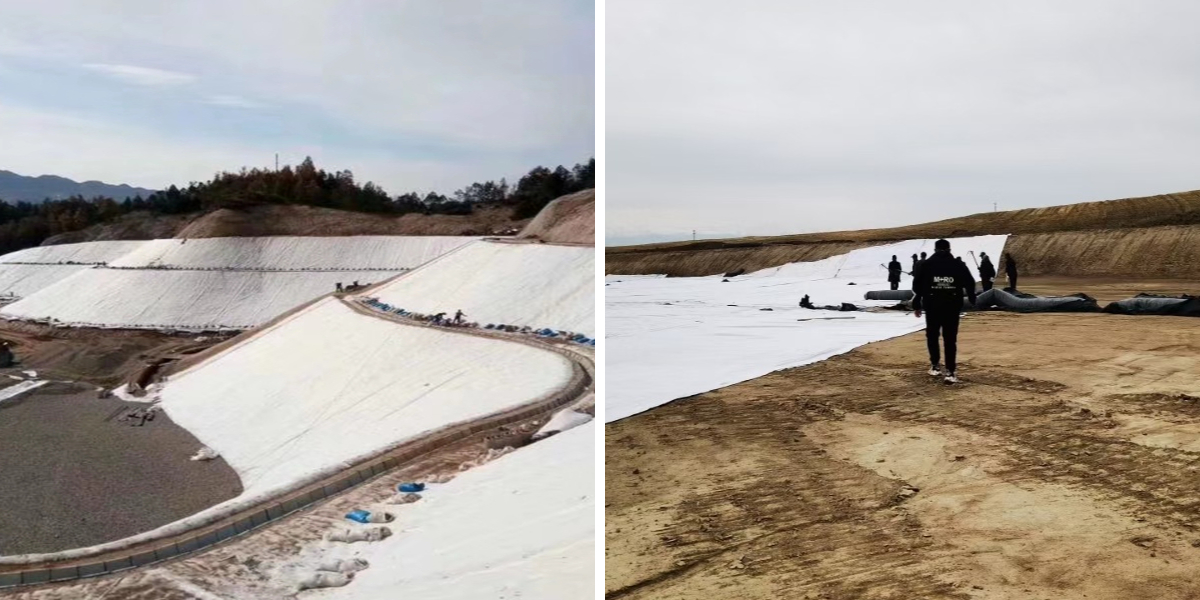
Unstable slopes are a major concern in construction, mining, and natural landscapes. Water infiltration is typically the triggering agent for slips and slides. Geotextiles provide a multi-faceted defense.
Surface erosion on slopes begins with rainfall impact, which dislodges soil particles that are then carried away by runoff. Here, a non woven filter cloth serves as a protective blanket. When used beneath a layer of topsoil and vegetation (in a system called erosion control mats or with immediate seeding), it holds seeds and soil in place while allowing water to infiltrate. This promotes rapid vegetation establishment, whose roots provide permanent, natural reinforcement.
For more severe slope stability issues, internal drainage is paramount. Excess water within the slope increases pore pressure and reduces soil strength. Installing a subsurface drainage geotextile wrapped around drainage aggregates or pipes is a standard practice. The geotextile acts as a filter, preventing the drainage media from clogging with fines while ensuring water can easily enter the drainage system. This critical application is one of the most vital non woven geotextile uses in geotechnical engineering, as it addresses the root cause of many slope failures.
Protecting Shorelines: Combating Wave and Current Action
Shorelines of rivers, lakes, and coastal areas are dynamic environments constantly subjected to hydraulic forces. Traditional hard armoring (like concrete walls) can be ecologically damaging. Geotextiles enable more sustainable, "softer" engineering solutions that work with natural processes.
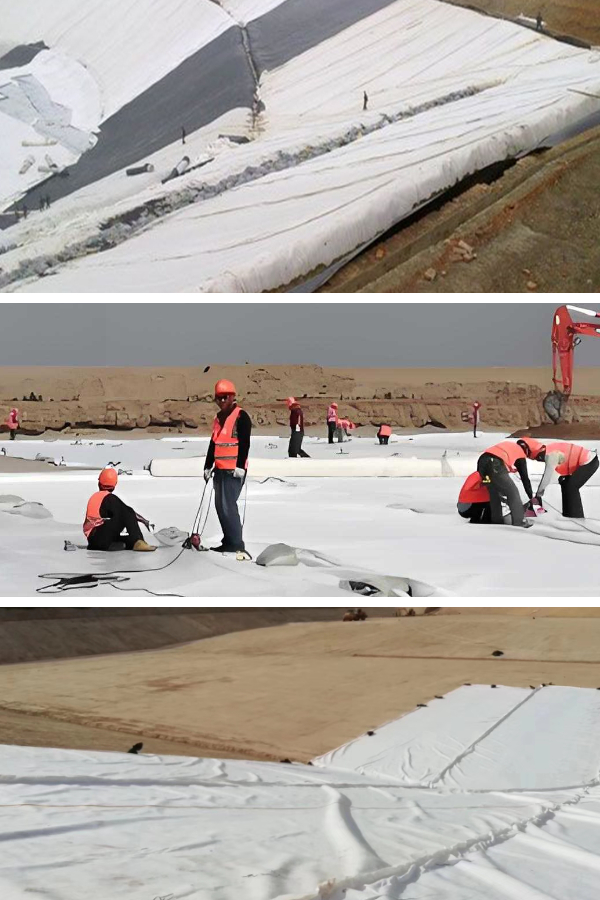
In revetment structures, geotextiles are placed beneath layers of riprap (stone) or articulated concrete blocks. The fabric performs the essential functions of separation and filtration. It prevents the underlying fine soil from being washed out through the gaps in the stone, which would lead to settlement and structural collapse. A robust non woven filter cloth is ideal here, withstanding placement stresses and providing long-term filtration performance even under constant wave action.
For creating new habitats or gently sloping shorelines, geotextile tubes or containers filled with dredged sand or slurry can be used. The geotextile acts as a form, allowing water to drain out while retaining the fill material. Over time, these structures can be vegetated, merging with the landscape. Furthermore, in any shoreline drainage system behind a retaining structure, a subsurface drainage geotextile is crucial to manage backfill water pressure, ensuring the stability of the entire protection system.
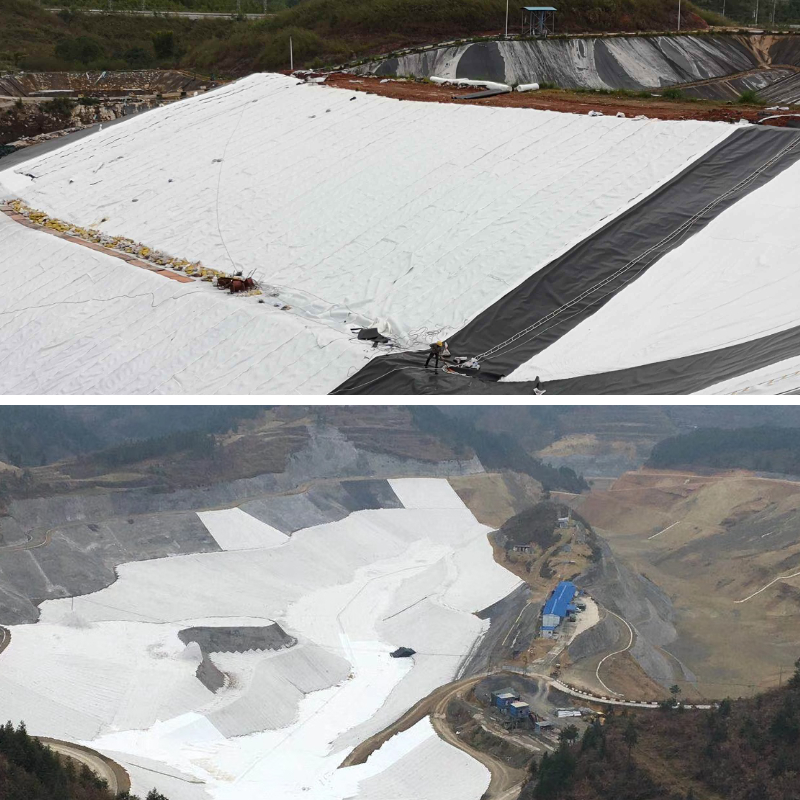
Lining and Stabilizing Ditches: Ensuring Clear Water Conveyance
Drainage ditches and channels are essential for managing stormwater and agricultural runoff. However, without protection, their beds and sides are highly susceptible to erosion from flowing water, leading to gullying, loss of function, and sediment pollution downstream.
For ditch lining, geotextiles serve as a foundational layer. When lining a ditch with rock (riprap) or concrete blocks, the geotextile placed underneath prevents soil piping and loss of subgrade material into the ditch flow. This maintains the design geometry and hydraulic capacity. Selecting the appropriate non woven filter cloth for this application depends on the soil type and flow velocity to ensure proper filtration without clogging.
In vegetated ditches (bio-swales), geotextiles help establish and protect plant life. They can be used beneath a thin layer of soil to hold vegetation in place during early growth stages, reducing erosion until root systems mature. Moreover, for subsurface drainage systems that feed into or run parallel to ditches—such as French drains or collector pipes—the role of the geotextile is non-negotiable. A subsurface drainage geotextile wrapped around drainage stone is the filter that keeps the system functioning for decades, preventing fine sediments from entering and clogging the pipe, thus ensuring consistent performance and reducing maintenance costs. This is a classic and essential example of non woven geotextile uses in civil infrastructure.
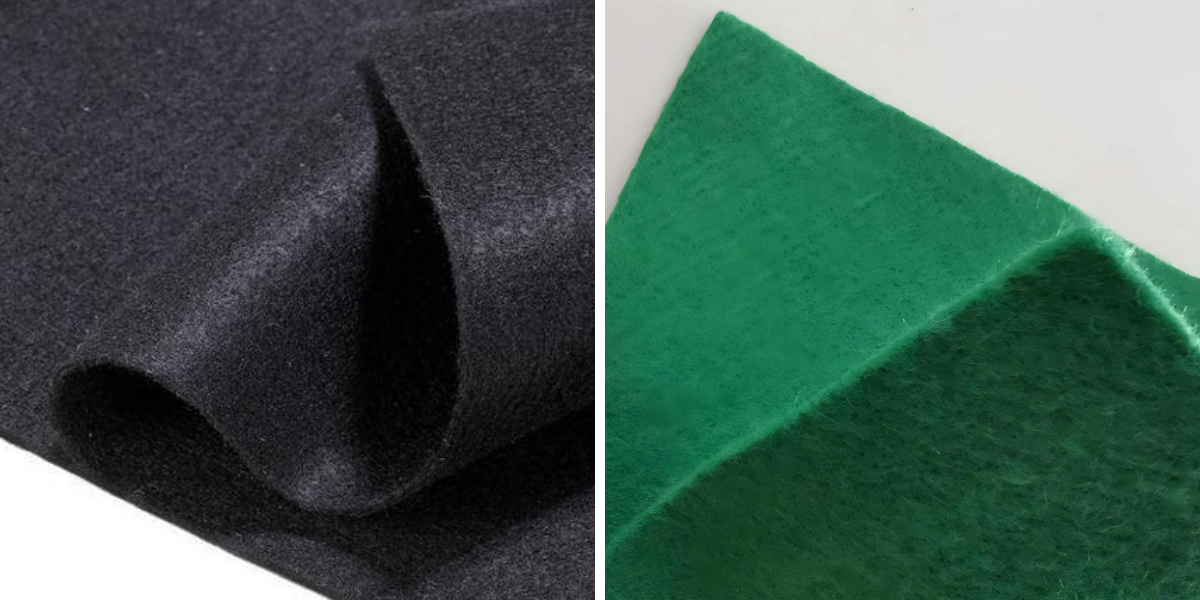
Installation Best Practices and Long-Term Benefits
The effectiveness of a geotextile in erosion control is contingent on proper selection and installation. Key steps include site preparation (removing sharp objects and grading to design), fabric placement (with adequate overlap between rolls), and immediate covering with armor stone, soil, or other materials to protect it from UV degradation during installation.
The long-term benefits of using geotextiles are substantial. They extend the service life of infrastructure by solving the fundamental problems of soil loss and water pressure. They reduce maintenance needs for ditches and slopes by preventing clogging and failure. By enabling the use of local soils and promoting vegetation, they offer more environmentally sensitive and often more cost-effective solutions than rigid alternatives. Whether specifying a non woven filter cloth for surface protection or a robust subsurface drainage geotextile for internal stabilization, the investment leads to enhanced resilience, sustainability, and performance of the landscape.
Conclusion: Building a Stable Future with Smart Fabric Solutions
Erosion is a powerful natural force, but it is not unconquerable. Through intelligent engineering with geotextiles, we can protect vulnerable soils on slopes, shorelines, and ditches effectively and sustainably. Understanding the core functions—separation, filtration, and reinforcement—allows for the precise specification of materials like a non woven filter cloth for surface protection or a specialized subsurface drainage geotextile for deep-seated stability. The diverse non woven geotextile uses highlighted across these applications demonstrate their versatility and critical role in modern civil and environmental projects. By integrating these durable fabric solutions, engineers, contractors, and land managers can create lasting erosion control systems that protect property, conserve soil, and safeguard our waterways for the future.
Contact Us
Company Name: Shandong Chuangwei New Materials Co., LTD
Contact Person :Jaden Sylvan
Contact Number :+86 19305485668
WhatsApp:+86 19305485668
Enterprise Email: cggeosynthetics@gmail.com
Enterprise Address: Entrepreneurship Park, Dayue District, Tai 'an City,
Shandong Province