Pond & Sewage Tank Liner: Waterproof Cement Blanket for Water Storage Projects
Introduction
Water storage and sewage treatment projects rely heavily on reliable lining systems to prevent seepage, stabilize structures, and extend project service life. Traditional lining methods including cast-in-place concrete, plastic membranes, and clay barriers often face limitations such as complex operation, weak adaptability, and short service cycles in pond and sewage tank scenarios. In modern water conservancy and environmental engineering, the cement blanket has emerged as a high-efficiency, durable lining solution that redefines water storage protection standards. As a professional cement impregnated fabric integrated with fiber reinforcement and cement composite materials, this innovative product simplifies concrete cloth building processes greatly. For project owners seeking cost-effective and long-term lining solutions, qualified cement blankets for sale provide a flexible, fast, and waterproof alternative to conventional construction methods for all types of water storage facilities.
1. Why Traditional Pond and Sewage Tank Liners Fail
Conventional lining technologies have long plagued water storage projects with persistent structural and functional defects. Plastic liners are prone to puncture, aging, and deformation under long-term water pressure and environmental exposure, while traditional concrete construction requires heavy machinery, complex formwork production, and lengthy curing cycles. Clay liners feature poor stability and are easily washed away by water flow, causing gradual seepage failure.
These outdated construction modes cannot adapt to irregular pond slopes, tank corners, and complex foundation surfaces. The emergence of cement blanket completely solves these pain points, delivering integrated waterproofing and structural protection. Unlike rigid concrete pouring, concrete cloth building with flexible rolls adapts to any terrain without complex modification. The unique structure of cement impregnated fabric enables rapid hardening and seamless molding, forming a tight and stable waterproof layer. When browsing reliable cement blankets for sale, engineers can select targeted specifications to match diverse water storage and sewage treatment working conditions.
2. Core Working Principle of Cement Blanket Waterproof Liner
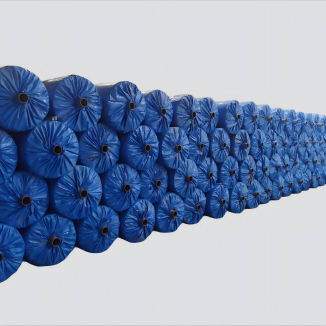
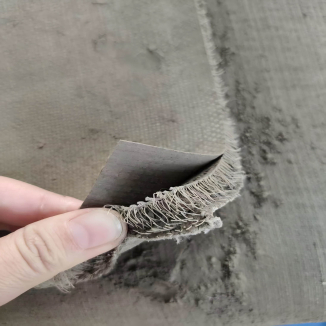
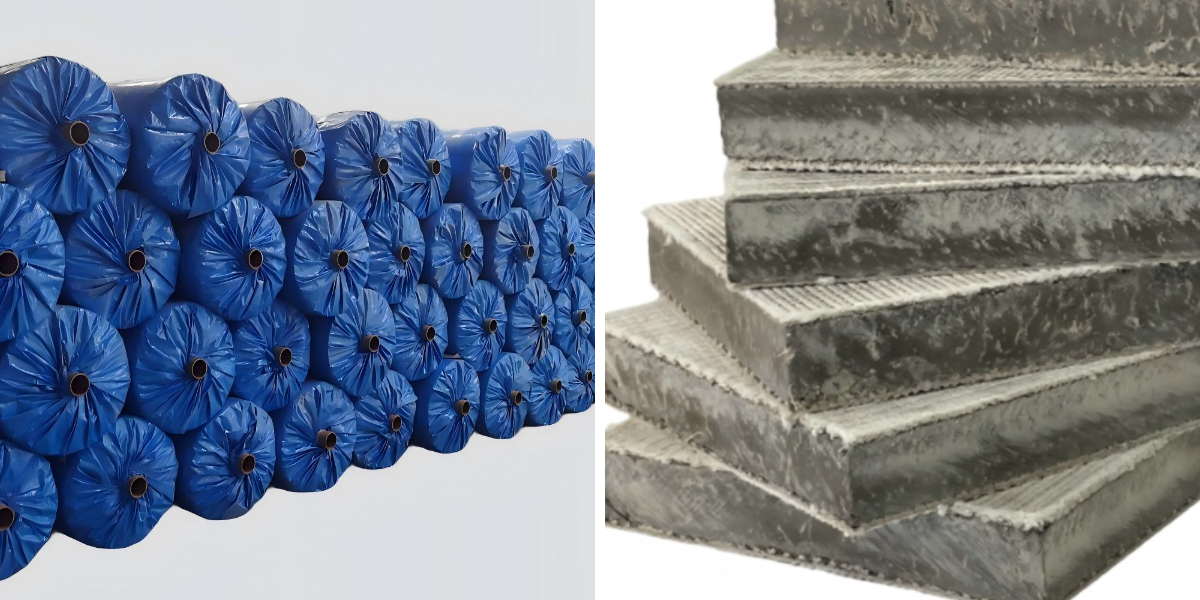
The excellent waterproof performance of cement blanket stems from its unique composite material structure and hydration hardening mechanism. This innovative geosynthetic product combines high-toughness textile fibers with special cement materials, forming a flexible roll material in the dry state. After contact with water, the material undergoes stable hydration reaction and gradually hardens into a dense concrete protective layer, achieving dual effects of waterproof sealing and structural reinforcement.
As a professional cement impregnated fabric, it features uniform internal material distribution and stable structural toughness, avoiding the hollowing and cracking problems common in traditional concrete layers. The whole concrete cloth building process does not require stirring concrete or large construction equipment, greatly simplifying on-site operation procedures. The cured cement blanket forms an integral waterproof barrier with excellent compactness, effectively blocking water seepage and isolating internal and external water and soil exchange. High-quality cement blankets for sale are strictly formulated to ensure stable waterproof performance and structural durability in long-term water immersion environments.
3. Unique Advantages for Pond Water Storage Lining
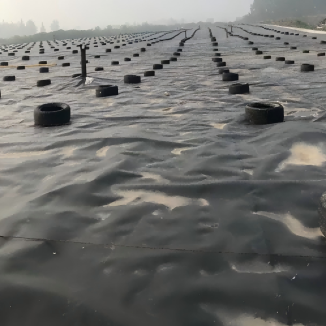
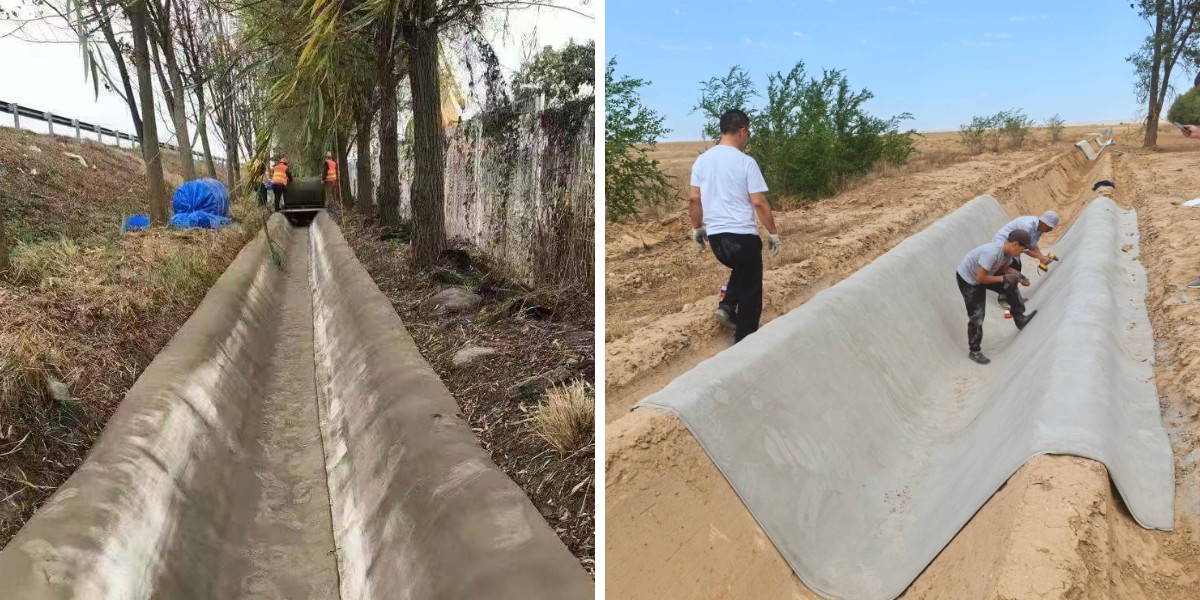
Artificial ponds, landscape water bodies, and agricultural water storage ponds require lining materials with good water retention, anti-erosion, and terrain adaptability. The flexible roll design of cement blanket allows free cutting and fitting according to pond shapes, perfectly fitting curved slopes, irregular boundaries, and uneven foundation surfaces without gaps or dead corners.
As a flexible waterproof medium, cement impregnated fabric will not crack or peel with slight foundation deformation, maintaining complete waterproof integrity of the pond lining layer for a long time. The lightweight and flexible features optimize concrete cloth building workflows, enabling rapid completion of large-area pond lining construction in a short period. Compared with traditional rigid liners, this material resists wave scouring and water flow erosion effectively, preventing bank collapse and water leakage. Standard and customized specifications of cement blankets for sale fully meet the construction demands of small landscape ponds and large-scale agricultural water storage ponds.
4. Professional Adaptability for Sewage Tank Anti-Seepage Projects
Sewage tanks and sewage treatment facilities have stricter requirements on lining material stability, corrosion resistance, and anti-seepage performance due to long-term contact with complex wastewater components. The hardened cement blanket has dense internal structure and excellent chemical inertness, resisting corrosion and erosion caused by various sewage components, which is far superior to ordinary plastic liners.
The compact hardening layer formed by cement impregnated fabric can effectively lock sewage inside the tank body, preventing sewage leakage from polluting surrounding soil and groundwater. The material surface is smooth and flat after hardening, which is not easy to breed dirt and microorganisms, facilitating daily cleaning and maintenance of sewage tanks. The simplified concrete cloth building mode adapts to the narrow and complex internal space of sewage tanks, realizing seamless integral lining. All compliant cement blankets for sale undergo professional anti-corrosion and anti-aging treatment to ensure long-term stable operation in harsh sewage treatment environments.
5. Construction Efficiency and Cost-Saving Benefits
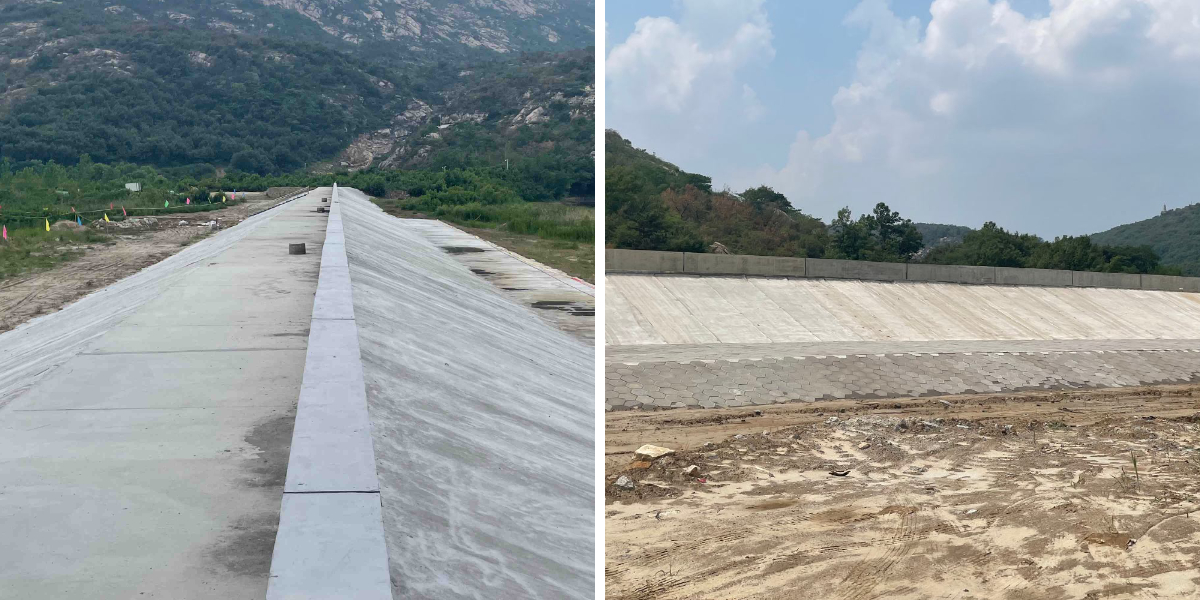
Engineering efficiency and long-term economic benefits are key factors for water storage project design and construction. Cement blanket abandons the cumbersome process of traditional concrete pouring, realizing rapid laying and rapid hardening on site. The whole construction process requires no concrete mixing, formwork support, or long-term maintenance, greatly shortening the project cycle and reducing labor and mechanical costs.
The flexible roll layout of cement impregnated fabric avoids material waste caused by on-site cutting and fitting, improving overall material utilization. The mature and simple concrete cloth building technology reduces the technical threshold of on-site construction, enabling ordinary construction teams to complete high-standard lining work efficiently. Durable material properties eliminate frequent later maintenance and replacement costs. Diverse specifications of cement blankets for sale allow engineers to select the most cost-effective products according to project scale and working conditions, maximizing project economic benefits.
6. Long-Term Durability and Environmental Compatibility
Water storage and sewage lining projects belong to long-term infrastructure facilities, which require materials with excellent weather resistance, aging resistance, and environmental friendliness. The hardened cement blanket has stable physical and chemical properties, resisting ultraviolet aging, temperature difference deformation, and long-term water immersion damage, maintaining intact structural and waterproof performance for decades.
As an environmentally friendly geosynthetic material, cement impregnated fabric contains no harmful components and will not cause secondary pollution to water bodies and soil. Its stable structure can effectively isolate sewage pollutants and protect the surrounding ecological environment. The integrated lining layer formed by concrete cloth building avoids the structural damage and leakage risks caused by material aging and local falling off. Regular suppliers’ cement blankets for sale strictly comply with environmental engineering standards, suitable for all kinds of ecological water storage and environmental protection sewage projects.
Conclusion
For modern pond water storage and sewage tank lining projects, cement blanket has become an ideal replacement for traditional lining materials by virtue of rapid construction, excellent waterproof performance, strong corrosion resistance, and long-term stability. The unique performance of cement impregnated fabric solves various common leakage and structural damage problems in water storage projects. The efficient and convenient concrete cloth building mode greatly improves engineering construction efficiency and reduces comprehensive project costs. Reliable and multi-specification cement blankets for sale can fully meet the personalized construction needs of different water storage and sewage treatment projects, providing solid and lasting waterproof and anti-seepage protection for water conservancy and environmental engineering.