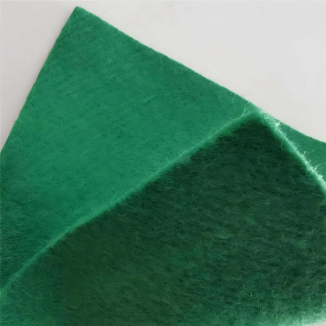
Why Geotextile Has Become Indispensable in Modern Civil Engineering
Introduction
Modern civil engineering pursues long-term structural stability, construction efficiency, and environmental compatibility, and traditional building materials can no longer fully meet complex engineering demands. As a versatile and high-performance geosynthetic material, geotextile has gradually become a fundamental component in infrastructure construction worldwide. Professional fabric geotextile integrates multiple core functions that solve common engineering pain points, while durable geotextile cloth adapts to diverse harsh construction and service environments. This article explores the core reasons why geotextile is irreplaceable in modern civil engineering, covering its functional advantages, application value, and engineering significance for sustainable construction.
Core Functional Advantages of Geotextile in Civil Engineering
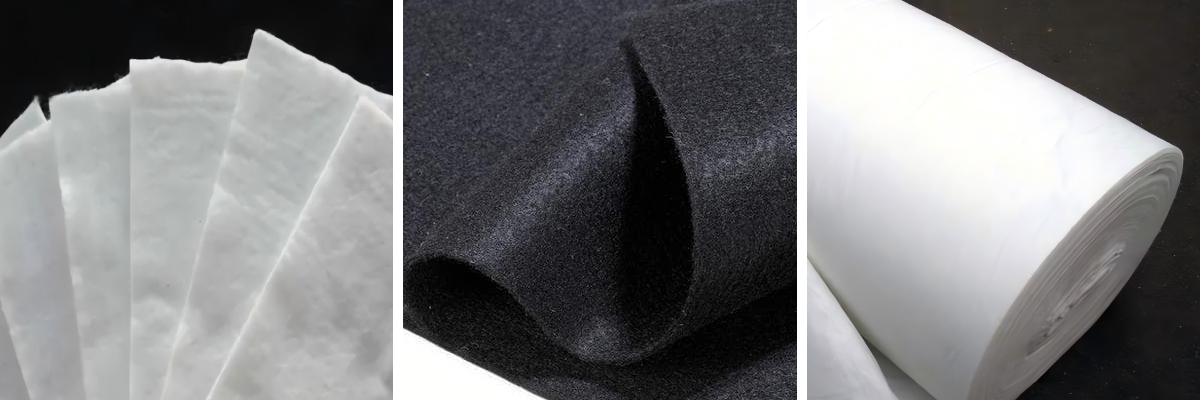
The indispensable status of geotextile originates from its unique multi-functional properties that perfectly match civil engineering requirements. Different from single-function building materials, qualified fabric geotextile integrates separation, filtration, drainage, reinforcement, and protection functions in one material, solving multiple structural problems for roads, water conservancy, slope protection, and landfill projects simultaneously.
The separation function of geotextile cloth acts as a stable isolation barrier between building materials with different physical properties. It prevents the intermixing of soil, gravel, concrete, and filler materials, maintaining the structural gradation of engineering foundations and avoiding foundation deformation caused by material mixing. Its professional filtration performance allows water to pass through smoothly while blocking fine soil particles, effectively preventing soil loss and pipeline blockage in drainage systems.
In addition, geotextile delivers reliable drainage and reinforcement effects. The porous fiber structure of fabric geotextile efficiently guides accumulated water out of engineering structures, reducing water pressure damage to foundations and slopes. Meanwhile, the high tensile strength of geotextile cloth enhances the overall rigidity and stability of soil structures, restraining soil deformation and improving the bearing capacity of engineering foundations.
Solve Key Pain Points of Traditional Civil Engineering Construction
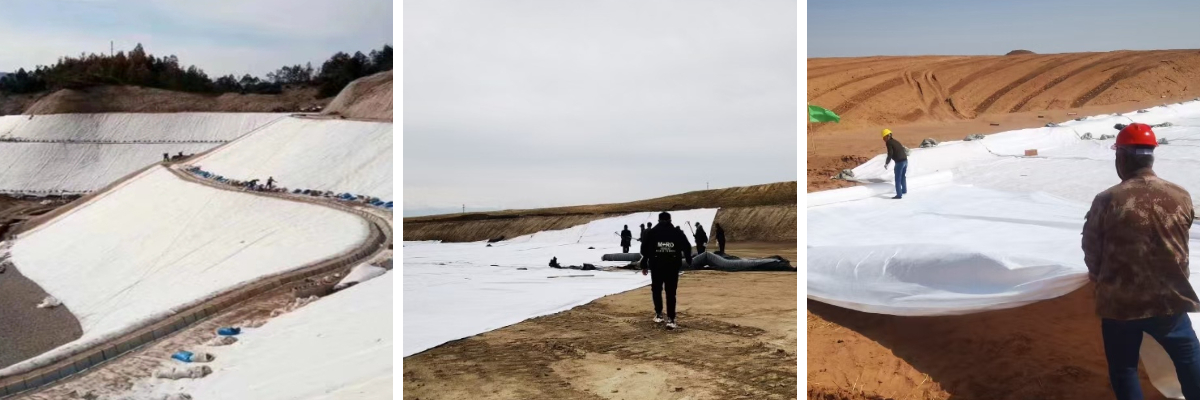
Traditional civil engineering often faces hidden risks such as foundation settlement, slope erosion, poor drainage, and short structural service life, which are difficult to completely solve with conventional materials. Geotextile precisely targets these industry pain points and provides long-term stable solutions for engineering construction. Ordinary building materials lack flexible protection and adaptive adjustment capabilities, while professional fabric geotextile can fit closely with soil and engineering structures to form a coordinated stress system.
In road and bridge engineering,geotextile cloth effectively relieves road cracking and rutting problems. It buffers the stress transmission between road surface and foundation, disperses vehicle load pressure, and avoids uneven foundation settlement that causes road damage. For slope protection and water conservancy projects, geotextile resists rainwater scouring and water flow erosion, protects slope soil structure, and reduces the probability of collapse and leakage accidents.
Moreover, fabric geotextile improves the adaptability of engineering structures to complex environments. It can resist natural factors such as temperature changes, humid erosion, and microbial corrosion, making up for the defects of traditional materials that are prone to aging and damage. This comprehensive optimization capability makes geotextile cloth an essential material for improving engineering quality and eliminating hidden dangers.
Improve Engineering Efficiency and Reduce Long-Term Construction Costs
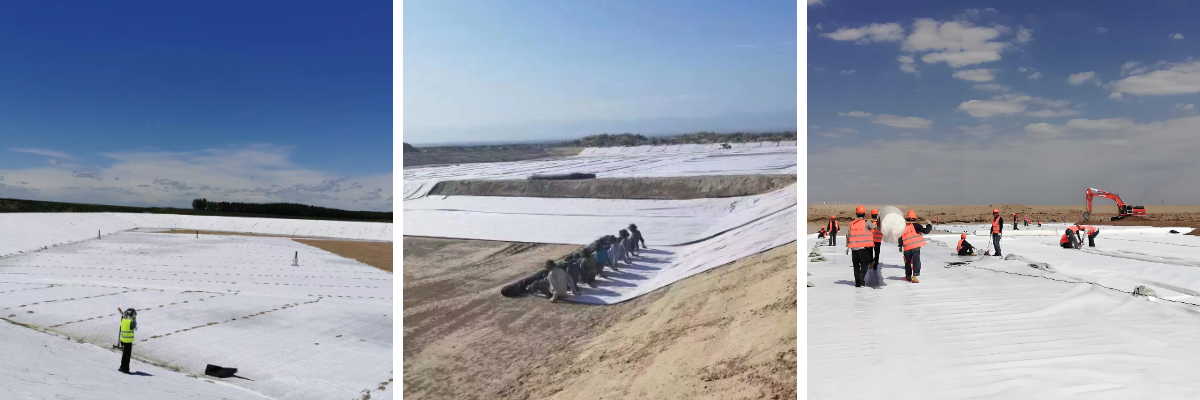
Modern civil engineering focuses on cost control and construction efficiency, and geotextile shows outstanding economic and practical value in the whole engineering cycle. Compared with traditional thickened foundation and complicated protection processes, applying fabric geotextile simplifies construction procedures and shortens construction cycles greatly. The lightweight and flexible features of geotextile cloth make it easy to handle and deploy on various construction sites, adapting to different terrain and engineering structures without complex processing.
In the long-term service stage, high-performance geotextile effectively reduces later maintenance and renovation costs. Its excellent anti-aging and environmental resistance performance ensures that the material maintains stable functions for a long time, avoiding frequent structural repairs and material replacement caused by premature failure of traditional auxiliary materials. For large-scale infrastructure projects such as highways, railways, and municipal water conservancy, durable fabric geotextile significantly reduces the comprehensive operation cost of the project throughout its life cycle.
In addition, the use of geotextile cloth can optimize the structural design of engineering projects. It allows designers to appropriately adjust the thickness of filling and protective layers, saving raw material consumption of concrete, gravel, and other building materials, and realizing scientific cost reduction and efficiency improvement for civil engineering.
Adapt to Green and Sustainable Development Trends of Modern Engineering
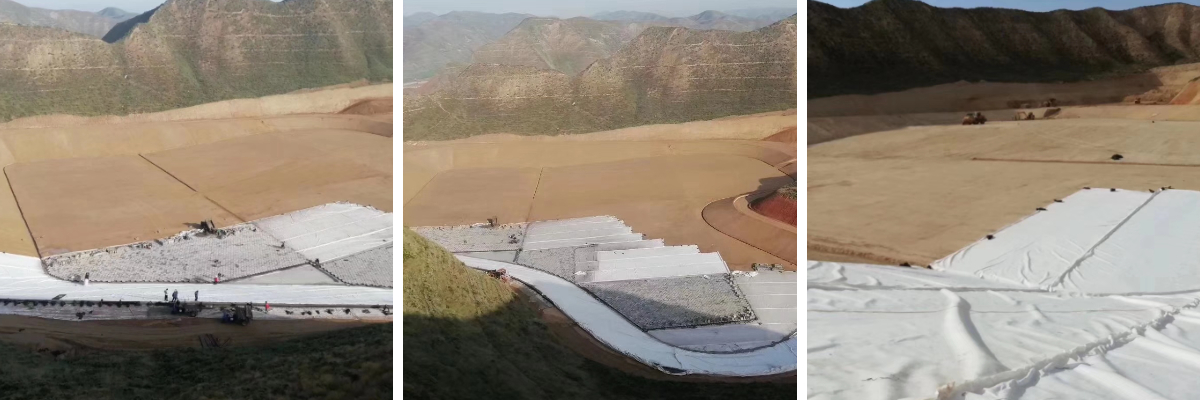
Green construction and ecological protection have become core development trends of modern civil engineering, and geotextile is a typical environmentally friendly geosynthetic material that conforms to sustainable construction concepts. High-quality fabric geotextile is made of eco-friendly polymer raw materials, with no harmful substance precipitation during use, and will not cause pollution to soil and water environments.
In ecological restoration, landfill environmental protection, and water conservancy ecological projects, geotextile cloth plays an irreplaceable role. It can isolate polluted soil and sewage, prevent pollutant diffusion, and create a safe and stable ecological restoration environment. At the same time, the breathable and permeable structure of geotextile does not hinder the growth of vegetation and the circulation of soil water and gas, which is conducive to the natural ecological recovery of construction sites.
Different from some traditional rigid building materials that destroy ecological balance, fabric geotextile features flexible protection and ecological compatibility. It balances engineering structural stability and environmental protection requirements, helping modern civil engineering realize the coordinated development of construction quality and ecological protection, and meeting the increasingly strict green engineering construction standards.
Wide Application Scenarios Covering All Civil Engineering Fields
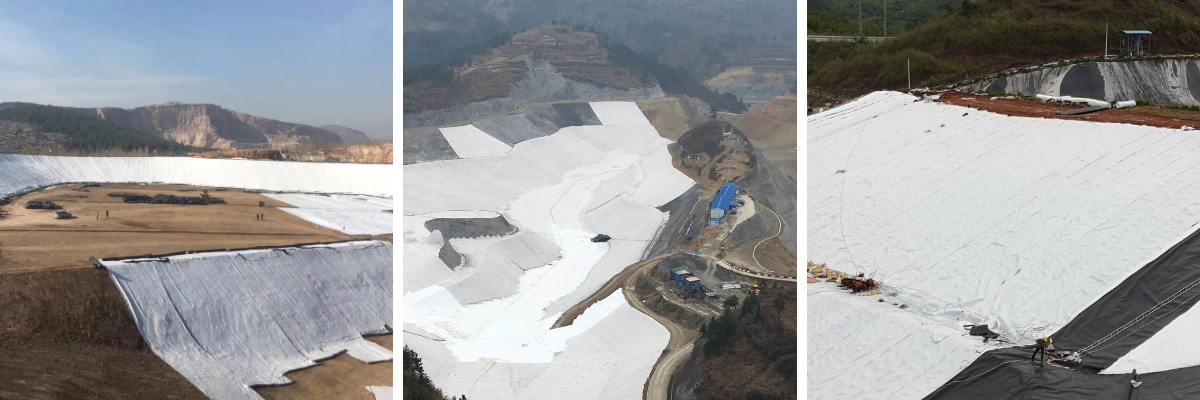
The versatility and environmental adaptability of geotextile enable it to cover almost all mainstream modern civil engineering scenarios. In transportation engineering including highways, railways, and airport runways, geotextile cloth is used for foundation isolation, reinforcement, and anti-crack protection, ensuring the flatness and stability of traffic infrastructure.
In water conservancy and hydraulic engineering such as dams, reservoirs, and river regulation, fabric geotextile undertakes filtration, drainage, and anti-seepage protection tasks, preventing water seepage and soil erosion and improving the safety and stability of hydraulic structures. In municipal engineering, it is widely used in road renovation, garden slope protection, and underground pipeline protection, solving various municipal construction problems.
In addition, geotextile also plays a key role in special engineering fields such as landfill anti-seepage, coastal erosion control, and soft soil foundation treatment. The all-scenario adaptability of professional geotextile cloth makes it a universal core material in modern civil engineering, and no alternative material can replace its comprehensive performance advantages.
Conclusion
With its multi-functional performance, reliable environmental adaptability, outstanding economic benefits, and green ecological value, geotextile has become an indispensable core material in modern civil engineering. High-performance fabric geotextile solves various structural and environmental problems in engineering construction, while durable geotextile cloth supports long-term stable operation of infrastructure. As civil engineering continues to develop towards high quality, high efficiency and green sustainability, the application value and market importance of geotextile will be further improved, becoming an essential guarantee for the sustainable development of modern infrastructure construction.