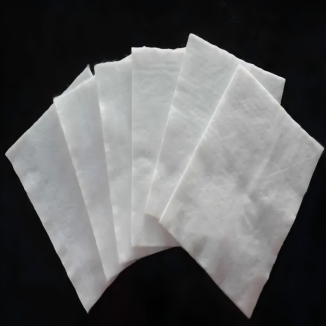
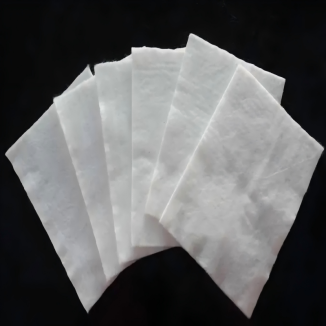
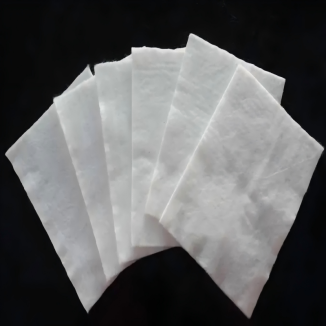
Protecting Buried Pipelines and Infrastructure with a Concrete Cloth Layer
Buried pipelines, cables, and conduits structure the hidden circulatory device of present day civilization, carrying the whole thing from water and gas to statistics and electricity. Protecting these indispensable property from mechanical damage, corrosion, and environmental stress is a perpetual engineering challenge. Traditional techniques frequently contain complex, time-consuming, and expensive techniques like cast-in-place concrete or the set up of cumbersome shielding slabs. Today, an revolutionary cloth recognised as concrete fabric is revolutionizing this field, presenting a faster, greater versatile, and extraordinarily long lasting defensive layer for buried infrastructure.
What is Concrete Cloth? A Modern Engineering Composite
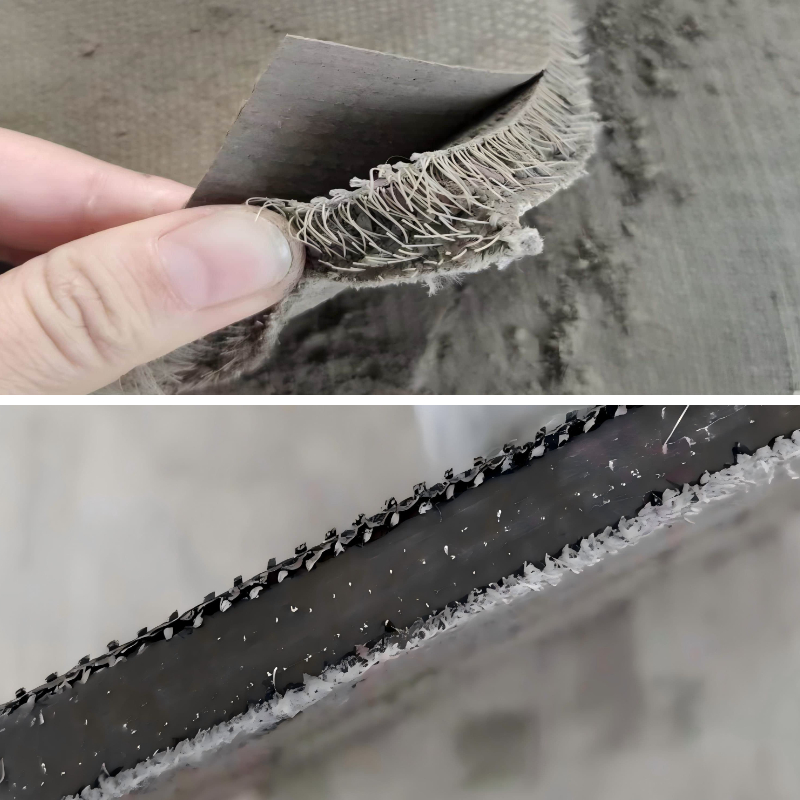
Concrete Cloth is a flexible, cement-rich cloth that is delivered on a roll. At its core, it consists of a third-dimensional fiber matrix that is totally impregnated with a specifically formulated dry concrete mix. This cloth is usually backed with a water-resistant membrane and frequently confronted with a permeable, ornamental finish. The progressive factor lies in its application: as soon as reduce to dimension and located over the shape to be protected, it is sincerely hydrated with water—usually by means of spraying—and then left to cure. Within 24 hours, it hardens into a thin, durable, waterproof, and fire-resistant concrete layer.
This special mixture of bendy deployment and speedy rigidification makes it an perfect answer for a large vary of protecting applications, from pipe bedding and encapsulation to ditch lining and slope armoring. It bridges the hole between the impermanence of free substances and the inflexible, labor-intensive nature of common poured concrete, imparting a new paradigm for shielding infrastructure layers.
Key Advantages Over Traditional Protection Methods
The shift towards concrete material is pushed by way of numerous compelling blessings that at once tackle the obstacles of traditional strategies like compacted soil, plastic liners, or cast-in-place concrete.
1. Unmatched Speed of Installation and Curing
Time is a necessary value component on any building or restore site. Unlike normal concrete, which requires formwork, mixing, pouring, and a 28-day remedy cycle for full strength, concrete material can be deployed and turn out to be purposeful in much less than a day. There is no need for specialised plant or equipment; crews can unroll, cut, hydrate, and end the cloth with minimal training. This speedy turnaround is valuable for emergency repairs, in places with brief work windows, or for initiatives aiming to decrease neighborhood disruption. This effectivity starkly contrasts with the multi-step technique of putting in a typical plastic liner for drainage ditch, which includes considerable excavation, subgrade preparation, seam welding, and backfilling.
2. Superior Durability and Structural Integrity
While substances like a plastic ditch liner serve a predominant feature of developing a hydraulic barrier, they provide little to no mechanical protection. They are prone to puncture from rocks, root penetration, and UV degradation. Concrete cloth, as soon as cured, varieties a monolithic, mineral-based layer with excessive compressive strength. It resists impact, abrasion, erosion from water flow, and publicity to chemical substances and hydrocarbons. It presents real structural safety to the pipeline or cable beneath, defensive it from "dig-ins" by using unintentional excavation, rodent attack, and floor loading. For defending a high-pressure gasoline line or a indispensable fiber-optic trunk, this sturdy bodily barrier is a some distance greater complete answer than a easy membrane.
3. Exceptional Versatility and Conformability
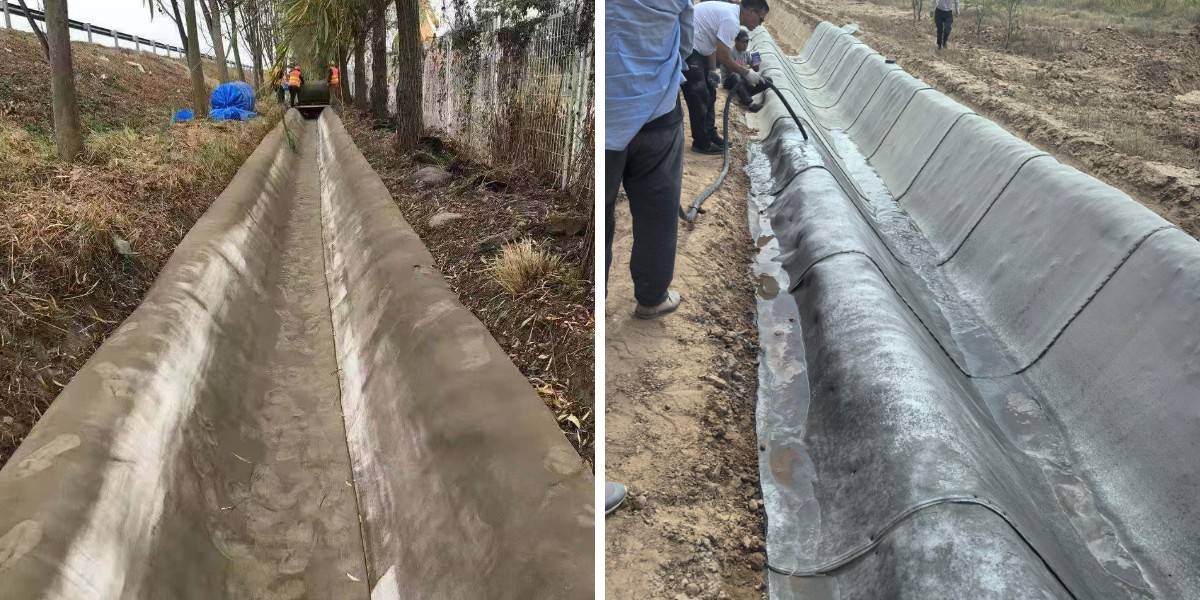
The bendy nature of the dry material permits it to be effortlessly formed to complicated geometries. It can be seamlessly wrapped round valves, tees, and bends in a pipeline, or mounted in tight, inaccessible areas the place pouring liquid concrete would be impossible. This conformability ensures complete, uniform insurance except susceptible joints. This makes it ideal now not solely for pipeline encasement however additionally for growing fairly erosion-resistant channels. As an irrigation ditch liner, it combines the speedy set up of a bendy cloth with the permanent, scour-resistant overall performance of challenging armor, outperforming each earthen ditches and inclined plastic alternatives.
4. Long-Term Cost-Effectiveness and Low Maintenance
The preliminary fabric fee of concrete fabric may also be greater than that of a fundamental plastic ditch liner. However, a actual price evaluation need to reflect onconsideration on the complete lifecycle expense. The sturdiness and sturdiness of the hardened concrete layer dramatically decrease the want for future repairs, maintenance, or replacements. It does no longer degrade underneath UV light, is now not inclined to tearing, and its mineral floor frequently inhibits vegetative overgrowth. When used to armor a drainage channel, a concrete material irrigation ditch liner keeps its hydraulic effectivity for many years except the deterioration, punctures, or displacement frequent with plastic systems, main to widespread long-term financial savings and asset integrity.
Critical Applications in Infrastructure Protection
Buried Pipeline and Conduit Encapsulation: This is a fundamental application. The material is wrapped round pipelines (oil, gas, water) or bundles of cables and conduits earlier than backfilling. It creates a continuous, defensive "concrete sleeve" that prevents corrosion from stray currents, mitigates mechanical harm from soil motion or digging, and presents a clear visible warning (through its color) to future excavators of a crucial asset below.
Trench Reinstatement and Surface Protection: After underground utilities are laid, the trench need to be reinstated. Placing a layer of concrete material over the backfilled trench, simply under the avenue floor or landscaping, creates a everlasting "capping slab." This protects the utilities from floor masses and approves for effortless future location, whilst stopping trench settlement.
Erosion Control for Drainage and Irrigation Networks: Here, concrete fabric at once challenges usual lining materials. As a plastic liner for drainage ditch is inclined to failure underneath excessive drift or particles impact, concrete material gives a rugged, erosion-proof surface. It is perfect for lining stormwater channels, culvert headwalls, spillways, and irrigation canals. Its fast set up is a key gain for irrigation ditch liner projects, the place minimizing downtime throughout the dry season is fundamental for agricultural operations. The hardened floor ensures regular water transport and reduces upkeep fees related with sediment elimination and financial institution repair.
Secondary Containment and Bund Lining: Around gasoline storage tanks or chemical processing areas, concrete material can be used to create quick-deploy, impermeable secondary containment layers. Its chemical resistance and seamless utility assist forestall environmental infection from unintended spills.
Installation Best Practices for Optimal Performance
While simple, profitable set up depends on interest to detail:
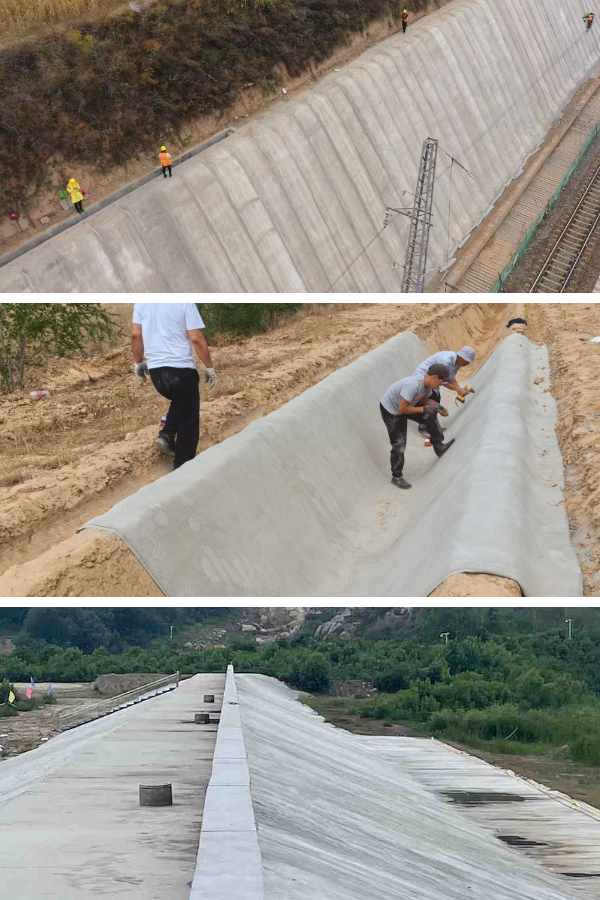
Surface Preparation: The subgrade (soil or aggregate) ought to be compacted and free of sharp protrusions that may want to puncture the dry cloth. For ditch lining, make certain the slope is suitable graded.
Deployment and Cutting: Unroll the fabric over the organized area, permitting for overlap (typically 100-150mm) at joints. Cut the fabric to structure the usage of utility knives or round saws.
Hydration: Thoroughly saturate the fabric with easy water the usage of a spray hose or sprinkler system. The cloth will darken noticeably. Avoid over-hydration that reasons pooling.
Curing: Allow the cloth to treatment for at least 24 hours earlier than backfilling or subjecting it to flow. Curing time can fluctuate with ambient temperature and humidity.
Backfilling: For buried applications, use selected, quality backfill cloth free of giant rocks when overlaying the hardened layer to keep away from factor loading.
Conclusion: Building a More Resilient Foundation
The safety of buried infrastructure is non-negotiable for public safety, financial stability, and environmental stewardship. Concrete fabric represents a great bounce ahead in this mission. By combining the ease of use of a bendy cloth with the enduring energy of concrete, it gives you a answer that is no longer solely quicker and simpler to deploy however also greater comprehensively shielding and durable in the lengthy run than standard techniques like free backfill or polymeric liners.
Whether the intention is to armor a prone pipeline crossing, stop the catastrophic failure of a plastic ditch liner in a essential drainage channel, or rapidly set up a dependable irrigation ditch liner with many years of provider life, concrete material presents a smart, resilient, and reasonably-priced answer. For engineers, contractors, and asset managers, it is greater than simply a product; it is a strategic device for constructing and safeguarding the fundamental hidden networks upon which we all depend.
Contact Us
Company Name: Shandong Chuangwei New Materials Co., LTD
Contact Person :Jaden Sylvan
Contact Number :+86 19305485668
WhatsApp:+86 19305485668
Enterprise Email: cggeosynthetics@gmail.com
Enterprise Address: Entrepreneurship Park, Dayue District, Tai 'an City,
Shandong Province