Flexible & Durable: The All-Round Advantages of Cement Blanket Applications
Introduction: The Limitations of Traditional Concrete in Modern Construction
Traditional concrete has lengthy served as the spine of international development projects, relied on for its structural steadiness and vast adaptability. However, it comes with inherent drawbacks that restrict effectivity in modern, fast-paced engineering scenarios. On-site concrete mixing depends on heavy machinery, complicated labor arrangements, and strict environmental conditions, main to prolonged assignment timelines and immoderate aid consumption. Additionally, poured concrete regularly struggles to adapt to uneven terrain, curved surfaces, and slender development spaces, ensuing in uneven insurance and normal post-construction repairs.
As the development enterprise shifts towards lightweight, fast-deployable, and least expensive solutions, progressive constructing substances have emerged to resolve these ache points. Among these game-changing innovations, thecement blanket stands out as a foremost contemporary alternative for ordinary concrete. Combining bendy material residences with inflexible concrete durability, this superior cloth redefines small-scale and medium-scale infrastructure construction, erosion control, and floor safety projects.
What Is a Cement Blanket? Core Definition and Working Principle
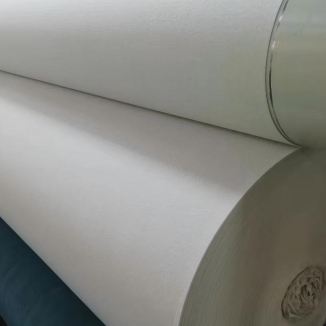
A cement blanket is a flexible, roll-based composite development fabric engineered for speedy hydration and solidification. At its core, it is truly a cement impregnated fabric, proposing a third-dimensional fiber matrix pre-filled with specialised dry cement mixtures. The multi-layer shape consists of a water-permeable pinnacle cloth layer, a secure cement filling core, and a water-proof backing membrane, making sure uniform cloth distribution and wonderful moisture locking throughout construction.
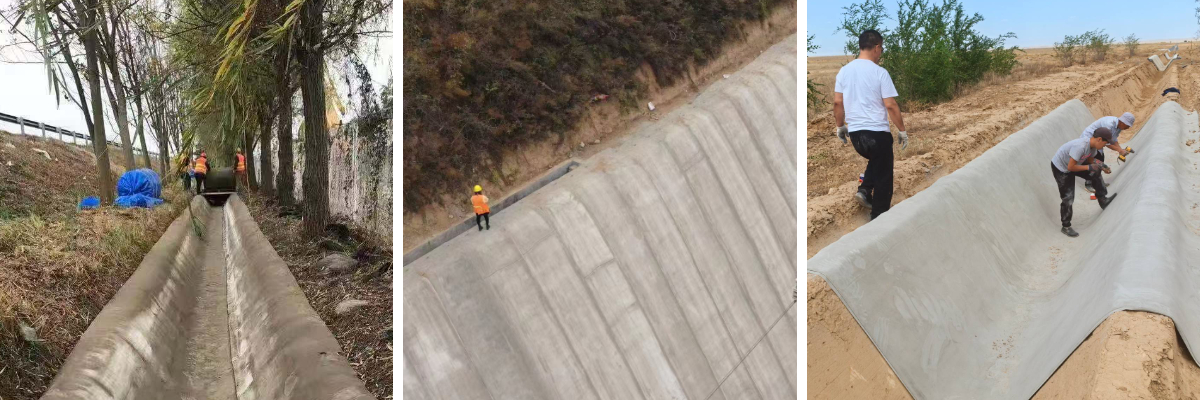
Unlike regular concrete that requires on-site batching, mixing, and pouring, the cement blanket promises a ready-to-use solution. Workers solely want to unroll, cut, and lay the cloth on goal surfaces earlier than spraying water to set off hydration reactions. Once utterly cured, the bendy cloth mat hardens into a seamless, rigid, and water-resistant concrete layer with secure structural performance. This special working mechanism eliminates the chaos of ordinary concrete construction, simplifying workflows whilst keeping dependable long-term durability.
Cement Blanket vs. Traditional Concrete: Key Advantages for Modern Projects
1. Simplified Construction and Faster Project Completion
Traditional concrete development entails a couple of tedious steps, inclusive of uncooked fabric transportation, on-site mixing, pouring, leveling, and lengthy curing periods, which are particularly structured on climate and labor conditions. In contrast, the cement impregnated material requires no complicated mixing gear or expert batching processes. Its rollable sketch lets in effortless transportation and guide laying in remote, narrow, or high-altitude areas inaccessible to heavy machinery. The speedy hydration and curing facets significantly shorten challenge cycles, enabling quickly completion of emergency repairs and hobbies infrastructure upgrades.
2. Superior Adaptability to Complex Terrains
One of the most distinguished strengths of the cement blanket is its splendid flexibility earlier than curing. Traditional poured concrete is inflexible and susceptible to cracking or hollowing on uneven, sloped, or curved surfaces. The cement blanket can flawlessly healthy irregular terrains, trench walls, slope surfaces, and pipeline wrapping areas, forming a utterly fitted, seamless shielding layer after solidification. This adaptability solves the frequent issues of terrible becoming and incomplete insurance plaguing standard concrete building on complicated venture sites.
3. Cost and Resource Efficiency
Traditional concrete initiatives generate extensive fabric waste due to inaccurate on-site mixing and uneven pouring. The prefabricated sketch of the cement impregnated material ensures particular fabric utilization with zero extra waste. It additionally reduces reliance on heavy building gear and massive labor teams, reducing down tools condominium fees, labor costs, and transportation expenses. Moreover, its light-weight shape lowers ordinary venture load, lowering the basis reinforcement prices required for ordinary concrete structures.
Understanding Cement Curing Blankets: Optimized Curing for Long-Lasting Performance
To similarly beautify the building excellent and provider lifestyles of cement blanket projects, cement curing blankets are broadly used as assisting auxiliary substances in modern-day construction. Different from the structural cement blanket that varieties stable concrete layers, cement curing blankets are specialised shielding substances designed to standardize and stabilize the curing method of cement-based composite materials.
Traditional concrete curing normally depends on plastic movies or guide watering, which leads to uneven moisture and temperature distribution, effortlessly inflicting floor cracking, electricity attenuation, and negative climate resistance. Cement curing blankets characteristic a multi-layer insulation and moisture-locking structure, which continues steady temperature and humidity for the cement impregnated cloth all through the hydration process. This standardized curing approach ensures full and uniform cement hydration, maximizing the structural strength, water-proof performance, and anti-aging capacity of the cured cement blanket layer. For out of doors tasks uncovered to wind, sun, and variable temperatures, matching cement curing blankets is fundamental to keep away from building defects and lengthen the provider existence of completed structures.
Wide Applications of Cement Blankets in Modern Construction
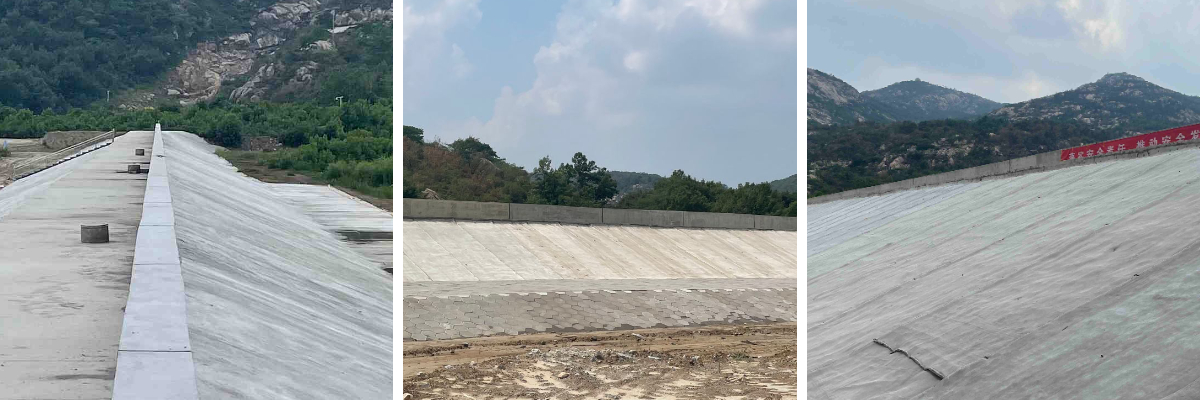
Thanks to its flexibility, fast construction, and long lasting performance, the cement blanket has changed common concrete in severa civil engineering and environmental safety scenarios. In water conservancy projects, it is extensively used for canal lining, riverbank slope protection, and reservoir anti-seepage treatment, correctly stopping water erosion and soil loss. In municipal engineering, the cement impregnated material serves for trench lining, street part protection, and rapid restore of small-area avenue damage, making sure quick building and secure use effect.
In emergency rescue and catastrophe comfort projects, the cement blanket indicates irreplaceable advantages. It can be shortly laid for slope reinforcement, flood manage embankment protection, and broken basis repair, finishing emergency reinforcement in a quick time. With the assistance of expert cement curing blankets, these emergency tasks can reap secure structural overall performance in a brief period, assembly speedy catastrophe prevention and manipulate needs. Additionally, it is oftentimes utilized in panorama protection, mine restoration, and pipeline anti-corrosion protection, protecting most light-weight concrete development scenarios.
Why Cement Blankets Are the Future of Modern Concrete Construction
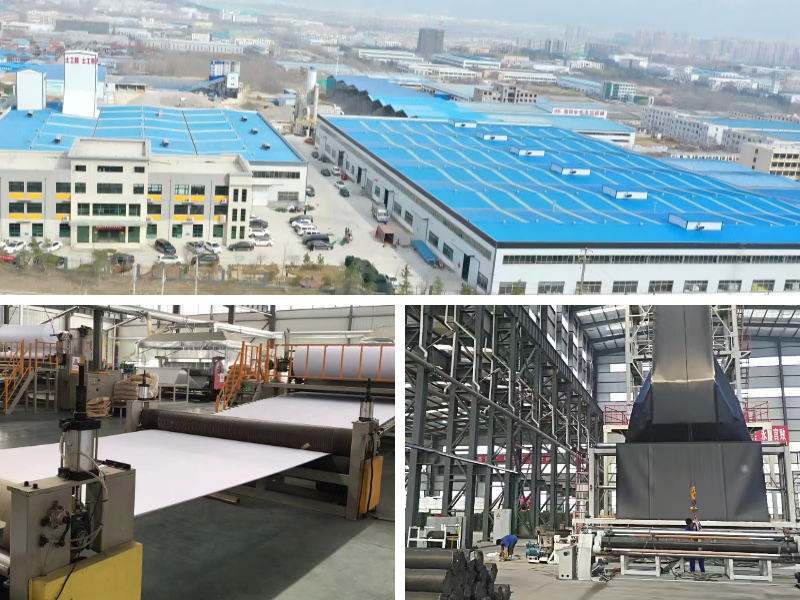
The development enterprise is always pursuing green, efficient, and wise upgrading, and regular concrete can no longer totally adapt to the diverse needs of current engineering. The cement blanket breaks the boundaries of common concrete development modes with its revolutionary cloth design. The prefabricated cement impregnated material realizes manufacturing facility standardized production, heading off first-class instability triggered by means of on-site guide mixing. Combined with scientific preservation through cement curing blankets, the remaining completed shape facets greater uniformity, better climate resistance, and decrease later upkeep costs.
In phrases of environmental protection, the cement blanket reduces on-site development noise, dirt pollution, and fabric waste, conforming to inexperienced building standards. Its bendy development mode and dependable structural overall performance make it a usual choice to normal concrete for small and medium-sized infrastructure projects. As development technological know-how continues to iterate, cement blankets will emerge as a mainstream constructing material, main the transformation of modern-day light-weight concrete construction.
Conclusion
Traditional concrete, even though classic, faces apparent bottlenecks in efficiency, adaptability, and environmental friendliness in modern-day construction. The cement blanket, as an revolutionary modern-day alternative, integrates flexibility, speedy constructability, and long-term sturdiness perfectly. The special cement impregnated material shape realizes quick forming of concrete structures, whilst matched cement curing blankets optimize the curing technique to warranty undertaking quality. For contractors, engineers, and challenge managers in search of efficient, cost-saving, and superb development solutions, cement blankets characterize the future vogue of current concrete engineering, handing over most effective price throughout all utility scenarios.