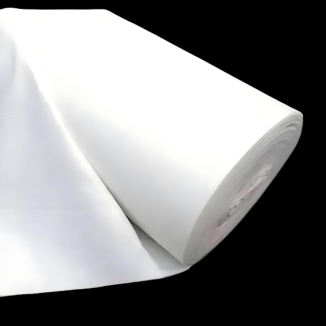
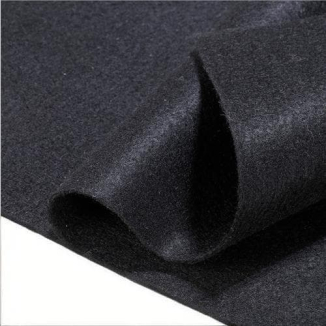
Emergency Repair with Cement Blanket: How to Use It for Floods, Potholes & Erosion
When failures hit or infrastructure fails, quick, long lasting repairs are critical. Floods breach levees, potholes endanger traffic, and erosion destabilizes slopes—all disturbing options that act fast. Enter Cement Blanket (also referred to as cement blanket), a flexible, water-activated fabric that turns from light-weight cloth to inflexible concrete in hours. Unlike usual concrete’s mixing and lengthy curing, it simplifies emergency repairs for professionals and DIYers alike. This information breaks down its use for three high-stakes scenarios.
What Is Cement Blanket (cement blanket)? Core Benefits for Emergencies
A Cement Blanket is a geosynthetic material: a 3D fiber matrix infused with dry concrete mix, wrapped in water-retentive outer layers. It merges fabric’s flexibility with concrete’s strength, making it best for emergencies. Key advantages:
Rapid Deployment: Unroll, wet, and cure—no exceptional equipment. Install in minutes vs. hours for typical concrete.
Flexibility: Conforms to uneven surfaces, perfect for curved or irregular repairs.
Durability: Cures to 4,000 psi (comparable to trendy concrete) and resists weather, abrasion, and chemicals.
Portability: Lightweight for far off sites; prompts with any water supply (even floodwater).
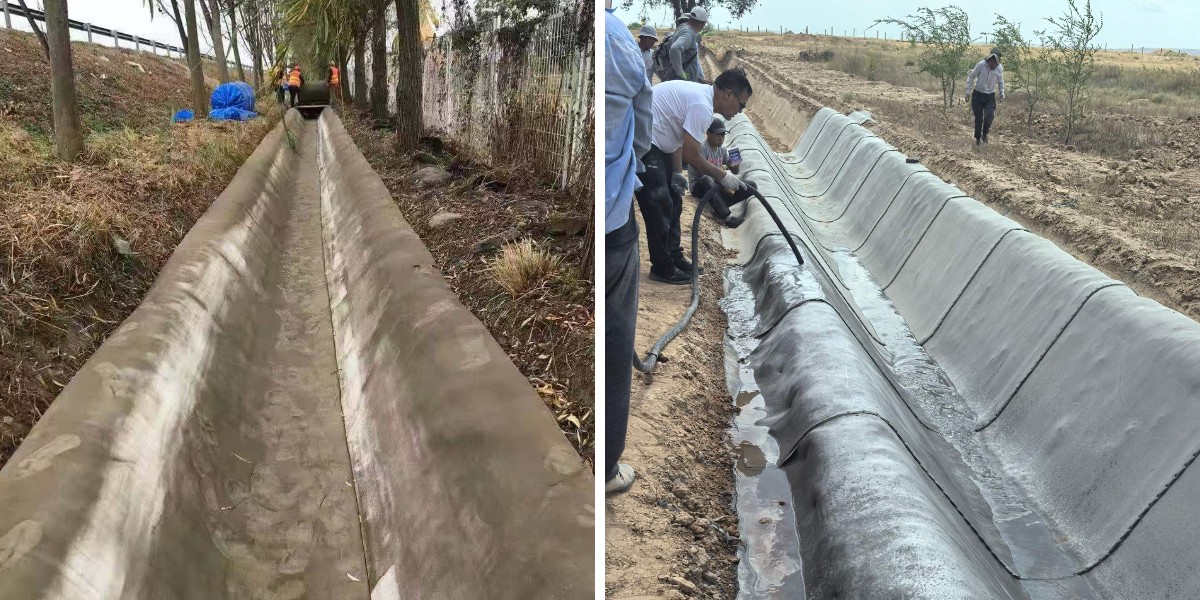
Scenario 1: Flood Emergency Repairs with Cement Blanket
Floods motive quick, catastrophic injury to levees, riverbanks, and foundations. Cement Blanket seals breaches and reinforces weakened areas fast:
Assess & Prep: Identify breaches/eroded spots. Clear debris, free soil, and vegetation—compact the floor for adhesion. Prioritize sealing leaks (e.g., preserving wall cracks) if submerged.
Choose Thickness: Opt for 10mm+ to face up to water pressure. Ensure insurance with 30cm overlaps on all sides.
Position: Unroll over damage. Anchor vertical surfaces (e.g., walls) with rebar; overlap horizontal sheets 15-20cm and tightly closed with stakes/sandbags.
Activate: Saturate with hose/bucket—avoid over/under-saturating. Submerged areas use surrounding water, however add more to make certain penetration.
Cure: Walkable energy in 2-4 hours; full electricity in 24-48 hours. Protect from heavy rain/currents at some stage in curing.
Pro Tip: Layer two concrete fabric sheets for massive breaches; weigh edges with sandbags in flowing water.
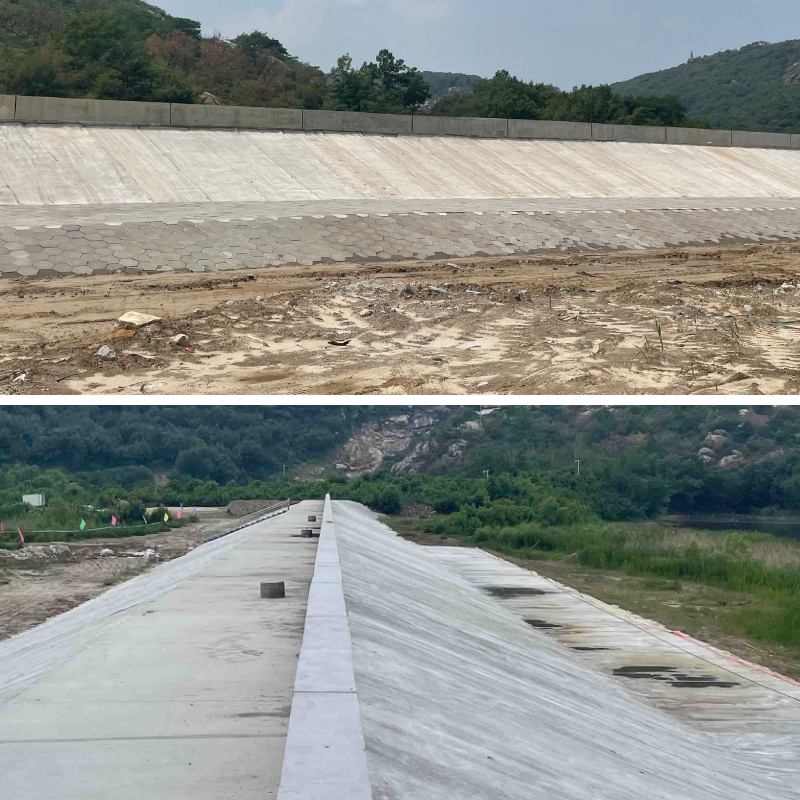
Scenario 2: Pothole & Road Repairs with cement blanket
Potholes demand everlasting fixes—Cement Blanket outperforms transient asphalt patches, resisting put on and harsh weather:
Prep the Pothole: Clean debris, free asphalt, and water. For depths over 10cm, fill with compacted gravel. Keep floor dry/slightly damp.
Cut to Size: Measure and reduce Cement Blanket with 10-15cm overlaps. Use sharp equipment to keep away from tearing the fiber matrix.
Secure: Lay flat over the pothole. Drill perimeter holes and insert anchors to stop shifting.
Activate & Compact: Saturate with water, then tamp/roll to do away with air pockets and bond to the road.
Cure: Light site visitors in 2-4 hours, full site visitors in 24 hours. The cured concrete material resists freeze-thaw and oil.
Pro Tip: Use 15mm+ thickness for high-traffic areas; seal edges with water-resistant sealant to block water.
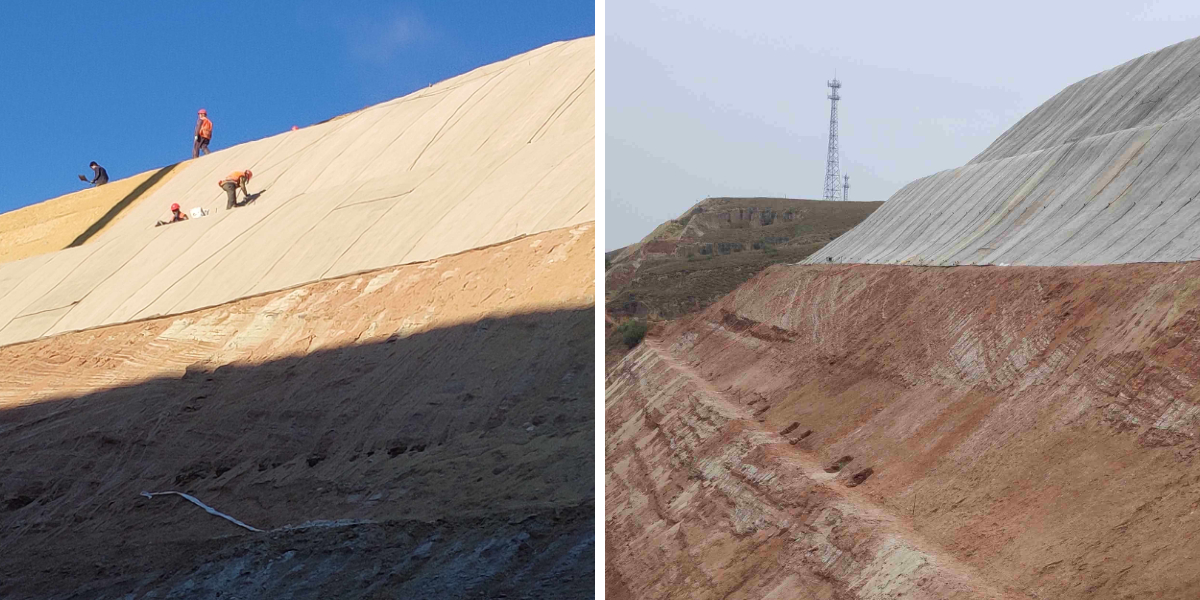
Scenario 3: Erosion Control with Cement Blanket
Erosion destroys landscapes and waterways—Cement Blanket presents immediate, long-term safety higher than riprap or seeding:
Prep the Site: Clear weeds/debris; grade slopes to max 1:1 incline. Compact soil for stability.
Optional Geotextile: For extreme erosion, lay geotextile first (securing with stakes) to add reinforcement.
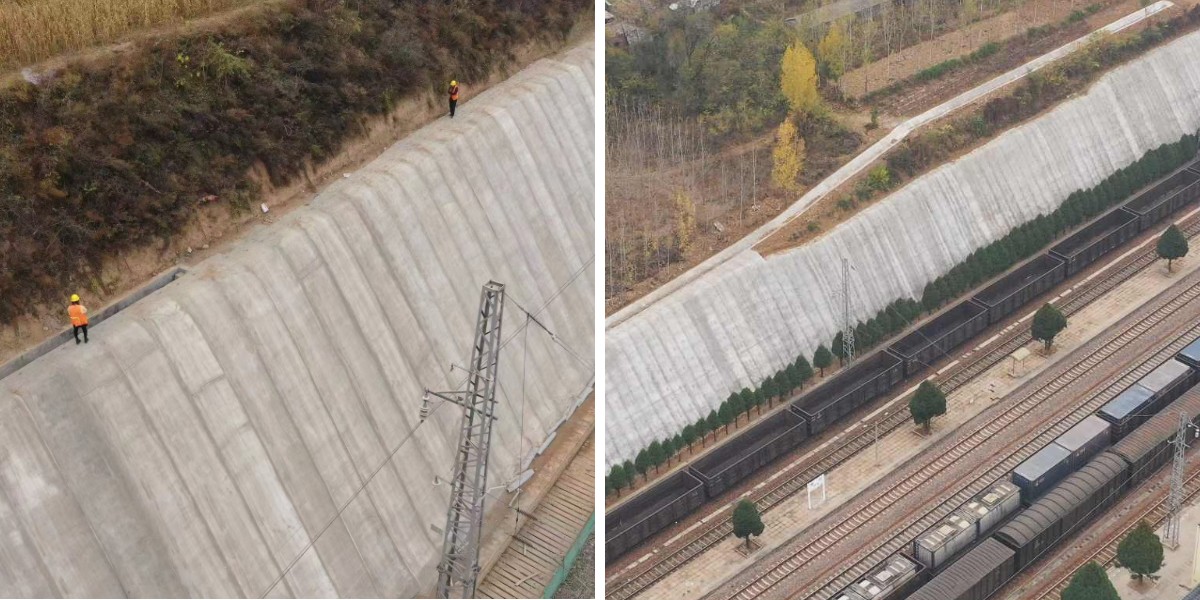
Unroll & Anchor: Unroll from slope pinnacle to bottom. Overlap sheets 15-20cm; stake each and every 50-75cm. For circulate banks, prolong 30cm above and 50cm beneath waterline.
Activate: Saturate evenly with hose/sprinkler. Use greater anchors for slopes steeper than 1:1.
Maintain: Cured Cement Blanket drains water whilst blocking off erosion. Plant vegetation thru small cuts for long-term stability.
Pro Tip: Choose permeable concrete material for drainage-critical areas; UV-resistant variations work for coastal erosion.
Key Tips for Using Cement Blanket (cement blanket)
Storage: Keep dry—moisture triggers untimely curing.
Temperature: Cure at 10-30°C; use heat water in bloodless weather, hold moist in heat.
Safety: Wear gloves/eye protection—dry combine irritates skin/eyes.
Sizing: Cut earlier than activation—wet Cement Blanket turns into rigid.
Conclusion: Cement Blanket—Your Emergency Repair Essential
Emergencies wait for no one, and Cement Blanket (or cement blanket) gives you fast, long lasting outcomes for floods, potholes, and erosion. Its flexibility, portability, and rapid curing make it a must-have for homeowners, contractors, and responders. By following these streamlined steps, you can tackle necessary repairs confidently—no complicated equipment or lengthy waits required. When time is of the essence, Cement Blanket is the dependable solution.
Contact Us
Company Name: Shandong Chuangwei New Materials Co., LTD
Contact Person :Jaden Sylvan
Contact Number :+86 19305485668
WhatsApp:+86 19305485668
Enterprise Email: cggeosynthetics@gmail.com
Enterprise Address: Entrepreneurship Park, Dayue District, Tai 'an City,
Shandong Province