How to Choose the Right Cement Blanket: Key Factors for Durability, Cost, and Project Needs
Cement blankets—also known as concrete blankets—have revolutionized small-to-medium construction projects, from backyard retaining walls to rural irrigation canals. Their flexibility, quick-setting nature, and ease of use make them a go-to choice for DIYers and contractors alike. But with so many cement blankets for sale on the market, picking the right one can feel overwhelming. The wrong choice might lead to premature wear, unexpected expenses, or project delays. In this guide, we’ll break down the 5 critical factors to consider when selecting a cement blanket, ensuring it aligns with your durability needs, budget, and specific project goals.
1. Prioritize Material Composition: The Foundation of Durability
Not all cement blankets are made the same—their material makeup directly impacts how well they hold up over time. Most quality options consist of a woven fabric (usually polyester or polypropylene) infused with dry cement powder, but the details matter:
Fabric Strength: Look for blankets with a high-tensile woven core. Polyester blends resist UV damage and mold, making them ideal for outdoor projects like garden paths or pond edges. Polypropylene is more budget-friendly but may degrade faster in direct sunlight—save it for indoor or shaded jobs (e.g., basement wall repairs).
Cement Grade: The type of cement used affects setting time and strength. Portland cement-infused blankets offer strong compressive strength (great for load-bearing areas like small driveways), while blended cement (with additives like fly ash) sets slower, giving you more time to adjust the blanket during installation.
Additives: Some cement blankets for sale include fiber reinforcement (e.g., glass or steel fibers) to prevent cracking. These are worth investing in for projects exposed to temperature fluctuations, like sidewalks in cold climates.
Skipping this step could mean choosing a blanket that cracks, fades, or disintegrates within a few years—wasting both time and money on replacements.
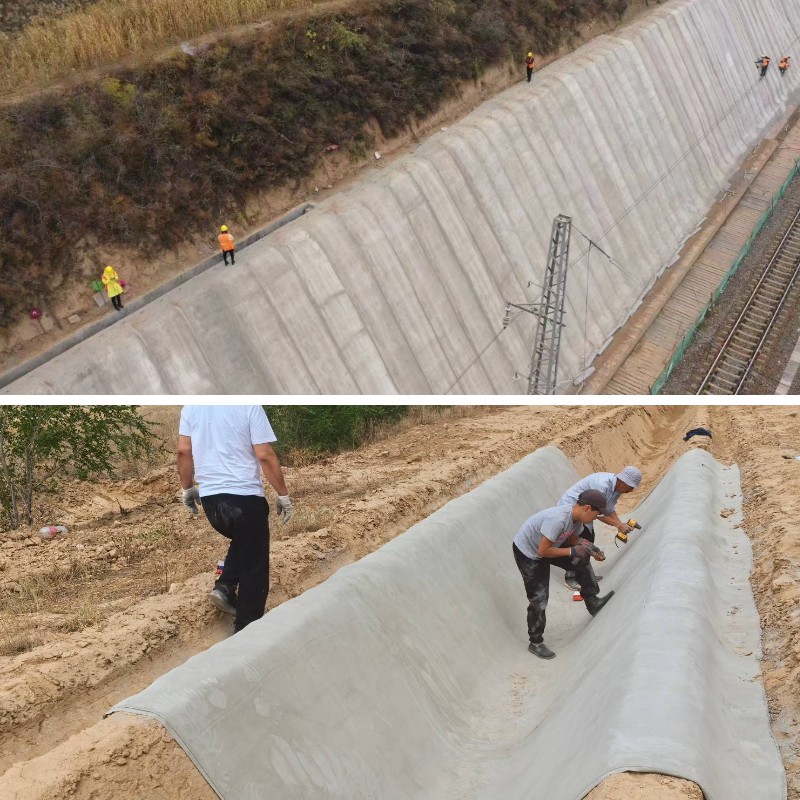
2. Match Thickness and Weight to Your Project’s Durability Needs
A cement blanket’s thickness and weight (measured in pounds per square yard or kilograms per square meter) determine its load-bearing capacity and resistance to wear. Here’s how to match them to your project:
Lightweight (10–15 lbs/sq yd): Best for non-load-bearing tasks like erosion control on gentle slopes, temporary walkways, or covering utility trenches. They’re easy to handle but won’t stand up to heavy foot traffic or vehicle use.
Medium Weight (16–25 lbs/sq yd): Versatile for most residential projects—think backyard retaining walls (up to 3 feet tall), patio slabs, or small garden ponds. They balance durability and ease of installation, setting in 24–48 hours for quick project turnaround.
Heavyweight (26+ lbs/sq yd): Designed for commercial or high-stress applications, such as driveways for small vehicles, rural road repairs, or canal liners. These require more effort to install (often needing 2–3 people) but offer long-term durability, with a lifespan of 10+ years.
Always check the manufacturer’s specs—don’t opt for a lightweight blanket for a driveway, as it will crack under pressure. Conversely, a heavyweight option for a small garden path will drive up cement blanket cost unnecessarily.
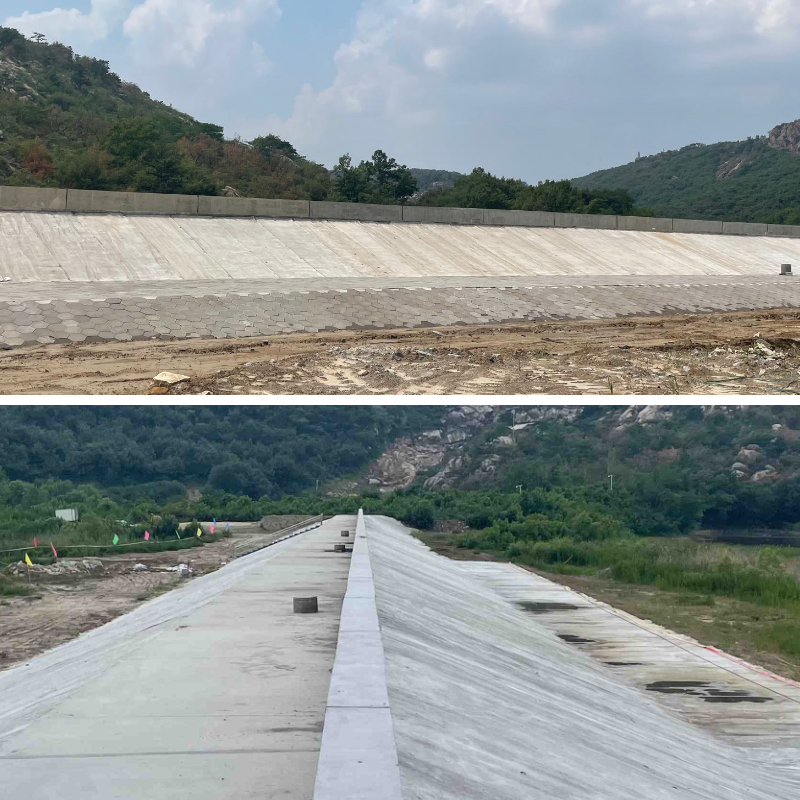
3. Calculate Cement Blanket Cost: Balance Budget and Value
Cement blanket cost is a key consideration, but it’s important to look beyond the upfront price tag. Here’s how to calculate total cost and avoid hidden expenses:
Per-Square-Foot Pricing: On average, cement blankets for sale range from 3 to 8 per square foot. Lightweight options are at the lower end (3–5), while heavyweight or fiber-reinforced ones cost more (6–8). For a 100-square-foot patio, this translates to 300–800 upfront.
Installation Costs: Unlike traditional concrete (which requires mixing, pouring, and smoothing), cement blankets only need to be unrolled, positioned, and wetted. This cuts labor costs—DIY installation is feasible, saving 50–100 per hour on contractor fees. However, for large projects (e.g., a 500-square-foot driveway), renting a small roller to smooth the blanket may add 50–100 to your budget.
Long-Term Savings: A quality cement blanket needs minimal maintenance (no sealing or resurfacing for 5–7 years), while traditional concrete may require repairs every 2–3 years. Over a decade, this can save you 30–40% in upkeep costs.
Avoid the cheapest cement blankets for sale—they often use low-grade cement or thin fabric, leading to early failure and costly replacements. Instead, choose a mid-range option that fits your project’s needs.
4. Ensure Compatibility with Project Scope and Environmental Conditions
Your project’s size, location, and environmental factors will dictate the best cement blanket for the job. Here’s how to ensure compatibility:
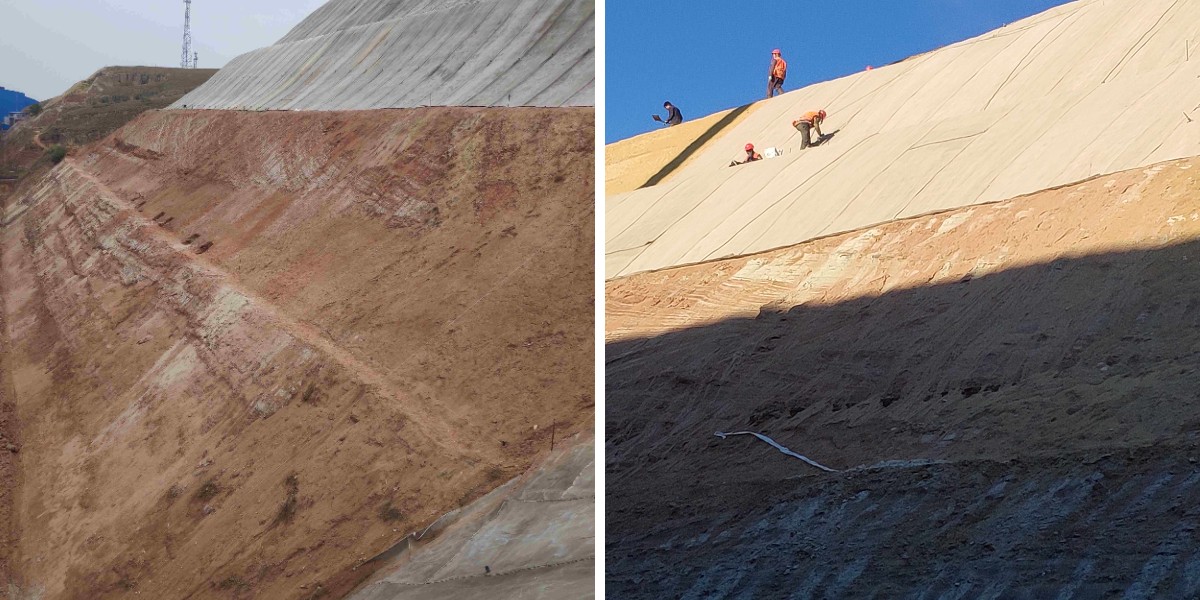
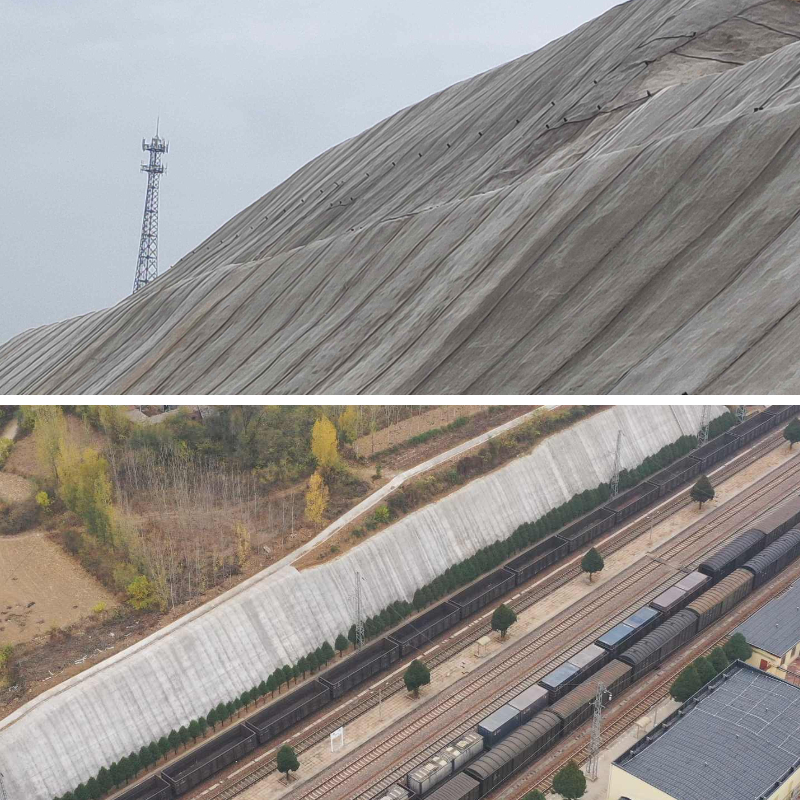
Project Size: For small projects (e.g., a 20-square-foot garden wall), pre-cut 4x5-foot blankets are convenient and reduce waste. For larger jobs (e.g., a 300-square-foot irrigation canal), opt for bulk rolls (10–20 feet wide, 50–100 feet long) to minimize seams—seams are weak points that can leak or crack.
Climate Resistance: If your project is in a rainy area, choose a blanket with a water-resistant fabric to prevent premature setting. In freezing climates, look for frost-resistant cement blends that won’t crack when water expands in pores. For hot, dry regions, select a slow-setting formula—this gives you time to wet the blanket thoroughly before it hardens.
Water Access: Cement blankets require water to activate the cement. Ensure your project site has easy access to a hose or water source; for remote areas (e.g., a rural trail repair), consider lightweight blankets that need less water (1–2 gallons per square yard) to set.
Mismatching the blanket to your environment can lead to issues like uneven setting, cracking, or water damage—undoing all your hard work.
5. Vet Suppliers and Check for Quality When Buying Cement Blankets for Sale
Not all suppliers of cement blankets for sale offer the same quality or service. Here’s how to find a reliable source and ensure you’re getting a good product:
Reputable Brands: Stick to well-known manufacturers (e.g., Concrete Canvas, Flexcrete) that provide product specs, test results, and warranties. A 1–3 year warranty indicates the brand stands behind its cement blanket’s durability.
Supplier Reviews: Check online reviews for suppliers—look for feedback on delivery times (blankets should arrive dry and undamaged), customer service (do they answer questions about installation?), and product quality (are customers satisfied with durability?).
Sample Testing: For large projects, ask for a small sample (most suppliers offer free 1x1-foot samples). Wet the sample and let it set—after 24 hours, it should feel hard and solid, with no crumbling or peeling fabric. If the sample fails this test, move to another supplier.
Buying from an untested supplier may result in receiving a cement blanket with expired cement (which won’t set properly) or thin fabric—ruining your project before it even starts.
Final Thoughts: Choose Wisely for a Successful Project
Selecting the right cement blanket isn’t just about picking the first option you see— it’s about matching material, thickness, cost, and supplier quality to your project’s unique needs. By prioritizing durability, calculating total cement blanket cost, and ensuring compatibility with your environment, you’ll end up with a long-lasting, low-maintenance solution that saves you time and money. Whether you’re tackling a small DIY project or a larger commercial job, taking the time to choose the right cement blanket will ensure your project is a success—from unrolling to setting and beyond.
Contact Us
Company Name: Shandong Chuangwei New Materials Co., LTD
Contact Person :Jaden Sylvan
Contact Number :+86 19305485668
WhatsApp:+86 19305485668
Enterprise Email: cggeosynthetics@gmail.com
Enterprise Address: Entrepreneurship Park, Dayue District, Tai 'an City,
Shandong Province