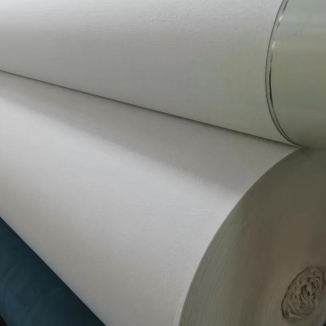
The Common Problems and Solutions of Geotextile Tube Dewatering Operation
Introduction: Why Dewatering Projects Go Wrong
A geotextile tube is one of the simplest tools in site water management. Slurry is pumped into a woven bag, the fabric lets clean water out, and the solids stay inside. The idea is easy to explain, which is exactly why so many projects underestimate it. Slurry changes between dredging passes, ground conditions are rarely ideal, and weather ignores the plan. When these points are ignored, a High-strength geotextile tube bag that should serve many cycles starts to bulge, tear or clog. Even the best High-strength geotextile tube bags cannot rescue a poor plan, so reliable Sludge Dewatering Solutions start long before the first pump is switched on. They start with fabric choice, site layout, filling discipline, and a clear plan for the water and the cake that come out.
Problem: Choosing the Wrong Geotextile Tube Fabric
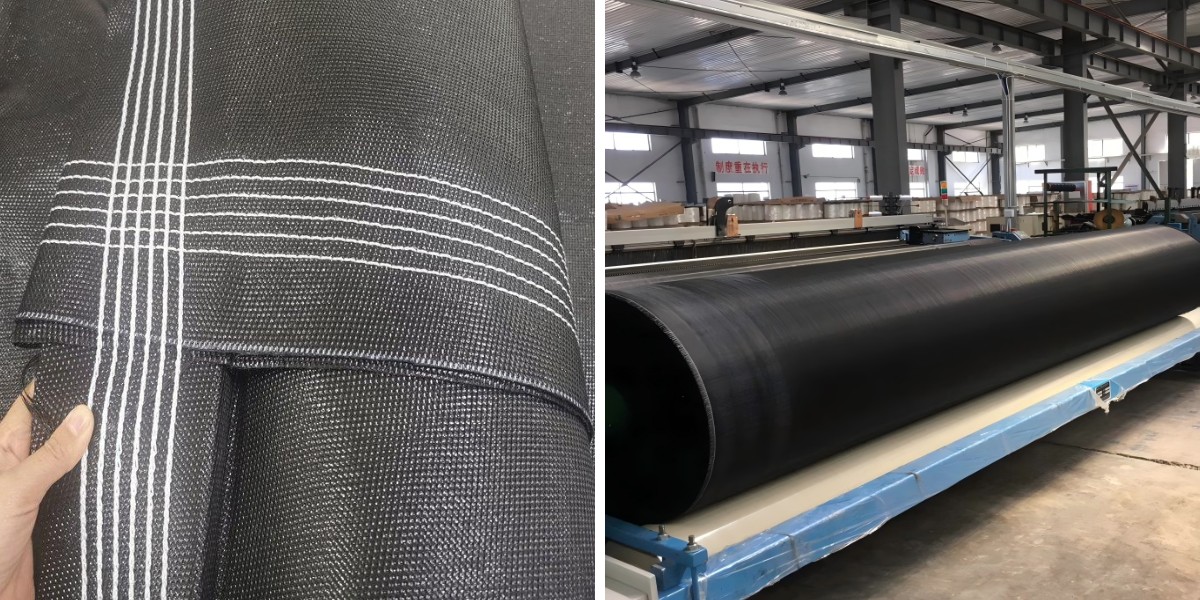
Many failures blamed on the bag actually begin with the fabric. A geotextile tube has to do two jobs at the same time: hold solids back and let water pass quickly. Those jobs pull against each other. Fine openings retain more solids but drain slowly. Wide openings drain fast but release fines into the filtrate, and that water then needs a further treatment step.
The right choice depends on the slurry, not on what happens to be in stock. Fine organic sewage sludge, lime-stabilised sludge, sandy dredged spoil and mineral tailings all behave differently in the same bag. A supplier who offers a single standard grade is not really offering Sludge Dewatering Solutions, only a product. Ask for retention and flow information based on the actual slurry type, and ask for a trial when the material is new to the site.
Where pumping pressure runs high, or where a bag must be filled and refilled many times, High-strength geotextile tube bags with reinforced seams and a heavier woven structure make far more sense than light standard bags.
Problem: Bag Damage and Seam Failure
Most site failures happen at the seam, not in the middle of the panel. A geotextile tube filled beyond its design pressure will stretch, and the stitching is the first part to give way. Sharp stones under the bag, a rough concrete edge, or a dropped pump hose can also start a tear that grows with every filling cycle.
The fix is part design and part habit. High-strength geotextile tube bags should be specified with a proper pressure rating, and the site team should treat that rating as a hard limit rather than a suggestion. A sand bedding layer or a protective geotextile underlay removes most of the abrasion risk. Hoses should be supported and moved with care, and any damaged bag should be taken out of service before it fails under load. These simple steps are the backbone of dependable Sludge Dewatering Solutions on any site, because a burst bag costs far more than a slower cycle.
Problem: Poor Site Preparation and Support
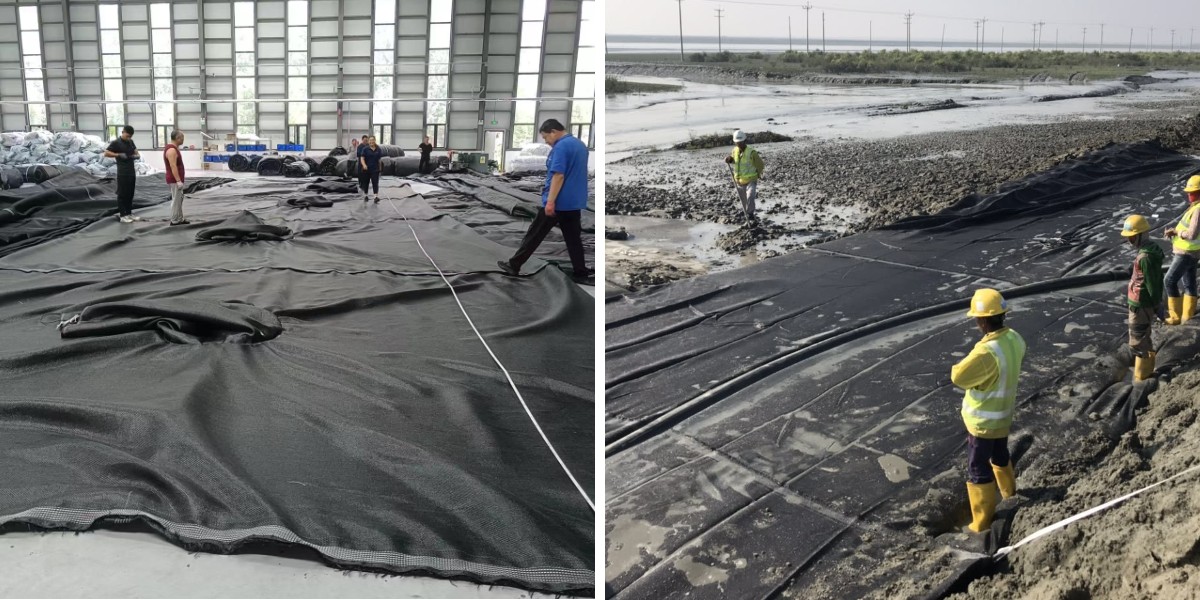
A geotextile tube is heavy when full, and the ground under it must carry that load without settlement. Soft clay, fill ground or waterlogged soil will let the bag sink unevenly, which distorts the shape, concentrates stress and reduces the usable volume.
The base should be level, compacted and drained, with a slight fall towards the filtrate collection point. Layout matters as well. Bags placed too close together cannot be inspected or repaired easily, and hoses crossing the working area become a trip and damage risk. Even the strongest High-strength geotextile tube bags cannot correct an unstable base, and access for lifting equipment should be planned from the start, because a High-strength geotextile tube bag full of cake is not something a small machine can move later.
Good Sludge Dewatering Solutions include a drainage channel, a settlement or weir structure for the filtrate, and clear marking of the operating perimeter. When this groundwork is skipped, the whole system runs below its capacity and every later stage becomes harder.
Problem: Incorrect Filling Practice
Filling is where most avoidable damage happens. Pumping at full rate into an empty geotextile tube creates a concentrated jet that scours the fabric and pushes fines straight through. Fast filling also traps air and builds uneven internal pressure, so the bag grows in one place and stays flat in another.
The practical approach is slow, staged filling. Move the discharge point regularly so the bag fills evenly along its length, and pause between stages so the cake can form and water can escape. Check pressure and shape during every stage instead of waiting for a bulge to appear. Where several bags are in use, rotate the filling sequence.
For large projects, High-strength geotextile tube bags combined with a manifold or splitter give steadier flow and less shock loading. Treated as a controlled process rather than a dumping job, these habits turn average Sludge Dewatering Solutions into a system that finishes on schedule.
Problem: Clogging and Slow Dewatering
Slow dewatering is the complaint heard most often on site, and the cause is usually clogging at the fabric surface. Fine particles and organic matter build a dense cake that seals the openings, so water that should pass in minutes takes far longer. Chemical conditioning can help, but overdosing with lime or polymer creates its own blinding layer and blocks the fabric just as effectively.
Biological growth adds to the problem in warm weather, especially with sewage sludge that sits in the bag between cycles. Keeping the bags in use, avoiding long standing periods, and cleaning the exposed surface with low-pressure water all help. Most clogging can be managed by matching the fabric to the slurry and conditioning the sludge properly before pumping. A supplier who understands Sludge Dewatering Solutions will test the conditioned slurry, not just sell the bag.
It is also worth remembering that High-strength geotextile tube bags are not immune to clogging. Strength protects the bag from bursting; only correct filtration design protects the drainage performance.
Problem: Filtrate, Odour and Site Water Control
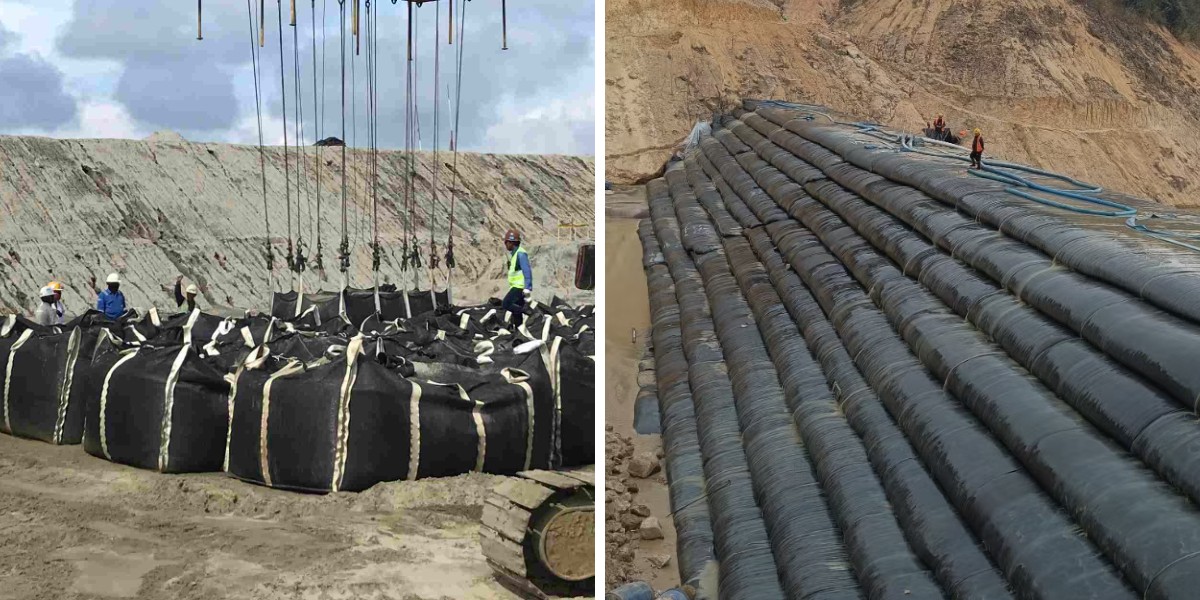
Every geotextile tube produces filtrate, and that water has to go somewhere sensible. Left to spread across the site, it turns the working area into mud, damages access roads and creates a discharge problem with the local authority. Filtrate should be directed into a lined channel, then to a settlement tank or lagoon, and checked before release.
Odour is the other common complaint, particularly with sewage and lagoon sludge. Keeping the site clean, removing spilled cake promptly and covering stored bags all make a real difference.
Well designed Sludge Dewatering Solutions treat the water side as part of the job, not as an afterthought. High-strength geotextile tube bags handle the solids, but the project only passes inspection when the water leaving the site is acceptable.
Problem: Handling the Cake and Closing the Job
When the geotextile tube has dewatered, the work is still not finished. Cake that is lifted too early splits the bag and spills solids back into the drainage system. Cake left too long may dry unevenly and become difficult to handle. The right moment is judged by firmness underfoot and by the shape of the bag, not by the calendar.
Removal needs a plan: an open area to cut and empty the bag, a containment bund for any residual water, and a defined disposal or reuse route for the cake. Many projects now reuse dewatered cake as cover material, landscaping fill or daily landfill cover, which reduces both cost and waste.
Reusable High-strength geotextile tube bags and a documented Sludge Dewatering Solutions procedure for closure and disposal are what separate a professional contractor from one that leaves a problem behind for the client.
A Practical Checklist for Better Sludge Dewatering Solutions
Match the geotextile tube fabric to the real slurry, and confirm it with a trial when the material is unfamiliar.
Specify High-strength geotextile tube bags with an approved pressure rating and reinforced seams for demanding duty.
Prepare a level, drained and protected base before the first bag is placed.
Fill in slow stages, rotate the discharge point, and watch pressure at every step.
Control conditioning chemicals carefully to avoid blinding the fabric.
Capture and check all filtrate, and manage odour before neighbours complain.
Plan cake removal, disposal or reuse at the design stage, not at the end.
Conclusion
Most problems in geotextile tube dewatering are not equipment problems. They are planning problems that show up as torn bags, wet cake and slow cycles. Get the fabric right, protect the bag, prepare the ground, fill with patience and manage the water and cake at both ends of the process. Do that, and High-strength geotextile tube bags will do what they should, cycle after cycle. Treat the operation as one system, and the Sludge Dewatering Solutions you deliver will stand up to inspection and to the next project.