Summary of "Geotextiles: The Invisible Guardians of Engineering Construction"
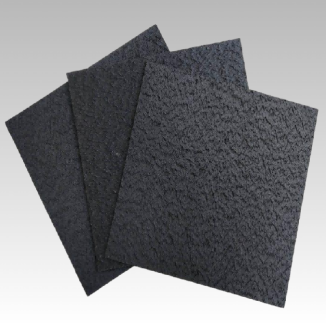
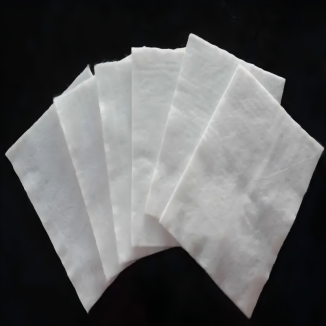
As an important member of geosynthetic materials, geotextiles, though not well - known to the public, play an indispensable role as "invisible guardians" in modern engineering construction. Made from polymer fibers through processes such as needle punching, thermal bonding, and weaving, geotextiles are permeable materials with diverse functions, including separation, filtration, drainage, reinforcement, and protection. These functions stem from their unique material properties and structural designs. For example, the fiber structure endows them with water permeability, and the high - strength fibers provide tensile strength.
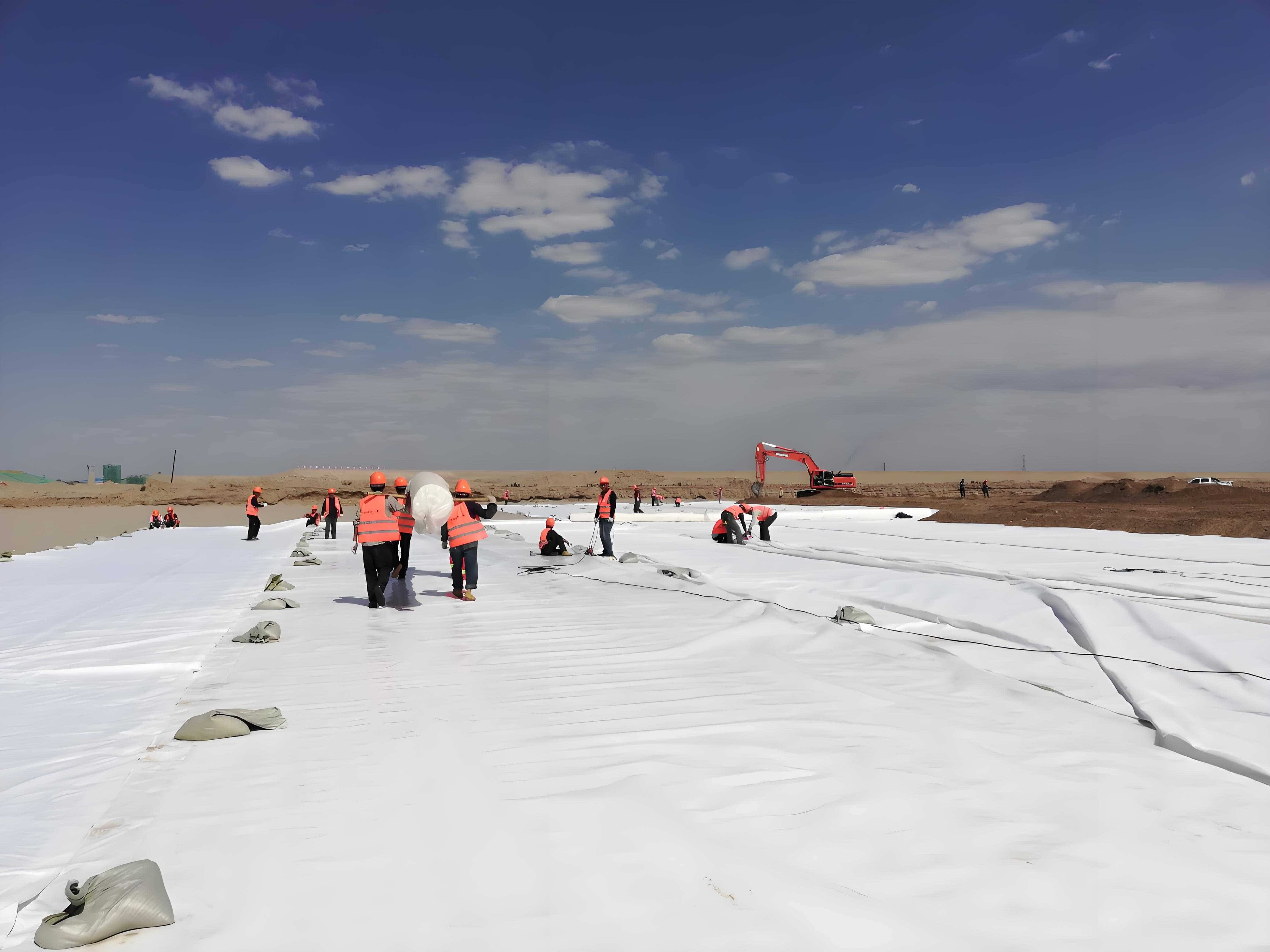
In water conservancy projects, new composite geotextiles (composed of high - strength polyester filament geotextiles and HDPE geomembranes) have shown outstanding performance in reservoir anti - seepage reinforcement. The upper and lower layers of geotextiles serve as protection and drainage respectively, reducing reservoir seepage by more than 70%. In transportation engineering, in highway projects crossing soft soil foundations, the combined reinforcement layer of geogrids and geotextiles is used. This enhances the bearing capacity of the foundation and prevents uneven settlement, shortening the construction period by 20% and saving 35% of the cost compared with traditional solutions. In landfills for environmental protection projects, corrosion - resistant geotextiles form a multi - layer anti - seepage system with other materials, protecting geomembranes, separating waste from soil, and preventing leachate from polluting the environment.
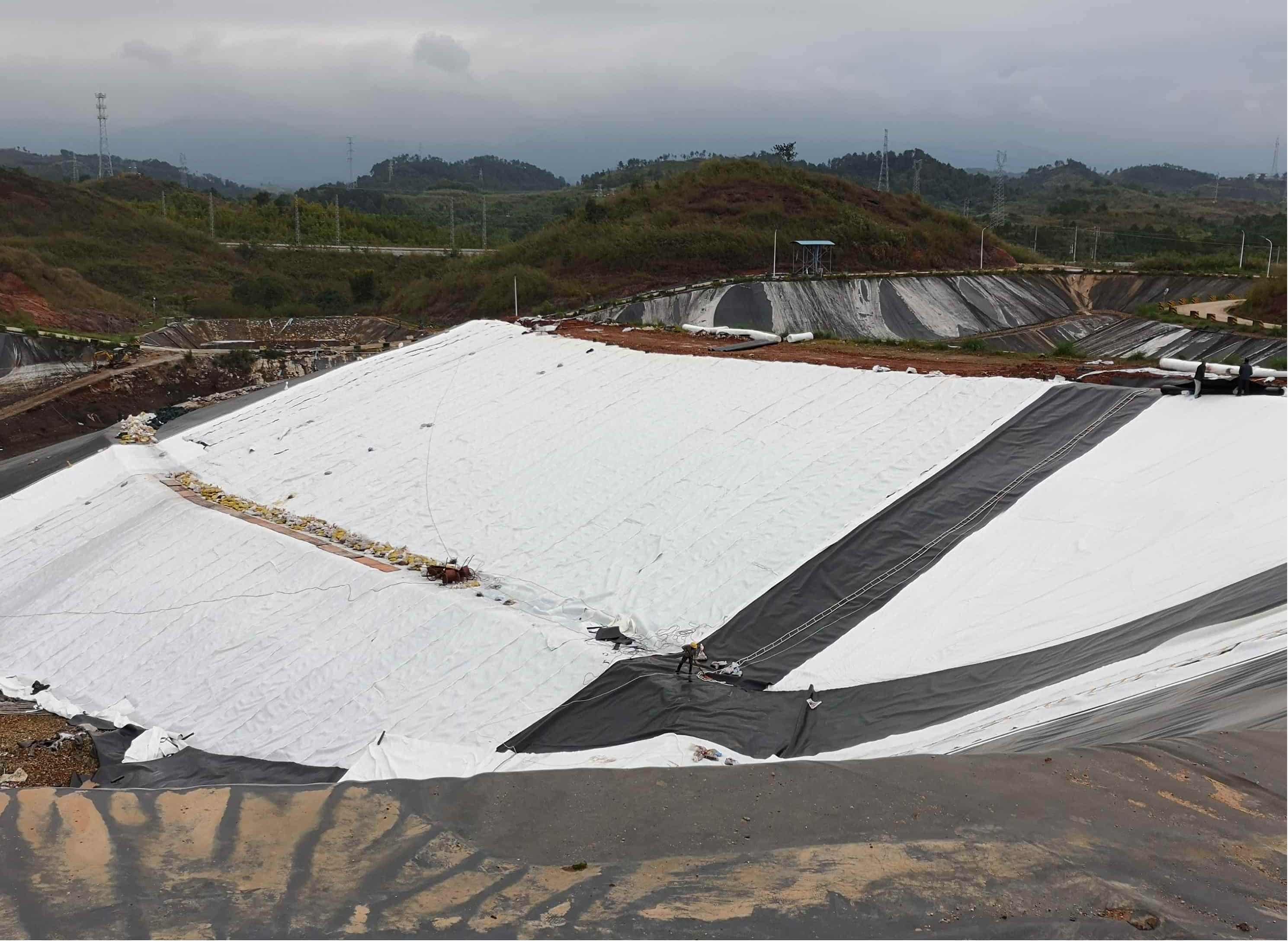
In recent years, there have been continuous innovations in the field of geotextiles, including material research and development (such as acid - and alkali - resistant, anti - aging materials), production processes, and construction equipment (automated laying equipment). Looking ahead, with the advancement of infrastructure construction and the increasing demand for environmental protection, geotextiles have broad application prospects in areas such as new urbanization, ecological restoration, and sponge city construction. They will develop towards high - performance, multi - functional, environmentally friendly, and biodegradable directions, continuously contributing to engineering construction and ecological protection.